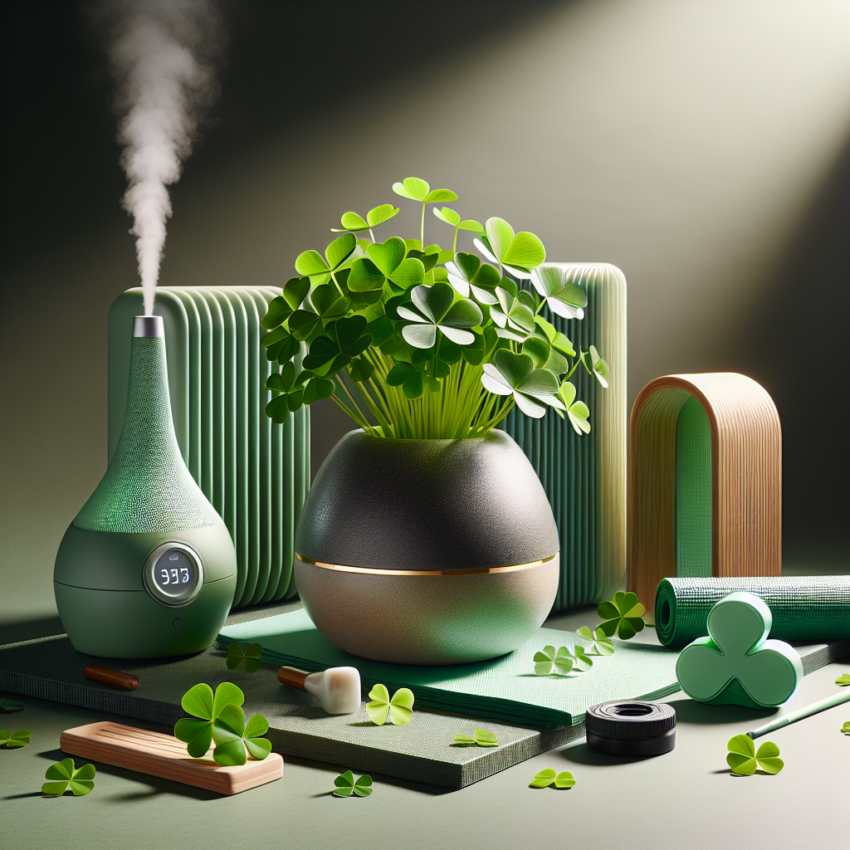
The shamrock plant, often associated with luck and prosperity, is more than just a symbol of Irish heritage. This charming plant can offer a range of benefits for both your home and health, making it a worthwhile addition to your indoor garden. Known for its clover-like leaves and delicate flowers, the shamrock plant can brighten up your living space while potentially supporting your well-being.
Benefits of the Shamrock Plant
The shamrock plant is not only visually appealing but also plays a role in creating a healthier home environment. Here are some key benefits that this humble plant can offer.
Improved Air Quality
Houseplants, including the shamrock plant, are known for their ability to improve indoor air quality. These plants can absorb carbon dioxide and release oxygen, contributing to a fresher indoor atmosphere. Some indoor plants are also capable of removing toxins from the air, helping to create a healthier living environment.
Natural Humidity Control
Like many indoor plants, the shamrock plant can help to maintain optimal humidity levels in your home. By releasing moisture vapor, it can contribute to a comfortable indoor environment, potentially alleviating dry air symptoms such as dry skin and respiratory irritations.
Stress Reduction
Caring for plants like the shamrock can offer therapeutic benefits. The simple act of looking after a plant can reduce stress and improve mood, providing a sense of accomplishment and relaxation. The lush greenery of the shamrock plant can also have a calming effect, helping you unwind after a busy day.
To learn more about gardening’s impact on health, visit our health education section.
Potential Health Benefits
While the shamrock plant is primarily valued for its aesthetic appeal, there is a growing interest in the potential health benefits it may offer. It is important to note that while these potential benefits are being studied, they should not replace professional medical advice.
Many believe that the plant’s vibrant leaves and flowers are not only pleasing to the eye but could also contribute to mental clarity and focus. Its presence in your home could serve as a gentle reminder of calmness and mindfulness.
Integrating the Shamrock Plant into Your Home
Bringing a shamrock plant into your home can be a simple yet effective way to enhance your environment. Here are some tips for caring for this lovely plant.
Light Requirements
The shamrock plant thrives in bright, indirect light. Too much direct sunlight can damage its leaves, so it’s best kept near a window with filtered light. If natural light is limited, grow lights can be an effective substitute.
Water and Soil Needs
This plant prefers well-draining soil that remains slightly moist. Overwatering can lead to root rot, so ensure the top layer of soil dries out between waterings. During dormancy, typically in the summer months, the plant requires less water.
Temperature and Humidity
The ideal temperature range for a shamrock plant is between 60-75°F (15-24°C). It prefers moderate humidity levels, so maintaining a balance can help ensure its health and vitality.
Pruning and Maintenance
Regular pruning helps keep the shamrock plant healthy. Trim away any dead or yellow leaves to encourage new growth. This not only keeps the plant looking its best but also aids in its overall health.
Conclusion
The shamrock plant offers a unique blend of aesthetic and potential health benefits. Its ability to improve air quality, control humidity, and reduce stress makes it a cherished addition to any home. Whether you’re looking to enhance your indoor environment or seeking a natural way to support your wellbeing, the shamrock plant may be the perfect choice.
For extensive information on how houseplants can benefit your living space and health, consider visiting this educational page on Wikipedia.
- The shamrock plant can improve indoor air quality.
- It helps maintain humidity levels in your home.
- Caring for a shamrock plant can reduce stress.
- Ensure proper lighting and watering for optimal growth.
- The plant may offer additional health benefits, but further studies are needed.
FAQs About Shamrock Plants
What type of light does a shamrock plant need?
The shamrock plant thrives in bright, indirect light. Avoid placing it in direct sunlight to prevent leaf damage.
How often should I water my shamrock plant?
Water the plant regularly, allowing the top soil to dry out between each watering. Reduce watering during its dormant period.
Can shamrock plants help with air quality?
Yes, like many houseplants, shamrock plants can improve air quality by absorbing carbon dioxide and releasing oxygen.
Is the shamrock plant good for beginners?
Yes, the shamrock plant is relatively easy to care for and is well-suited for beginners due to its simple maintenance requirements.
What should I do if my shamrock plant’s leaves are yellowing?
Yellowing leaves may indicate overwatering. Ensure your plant has proper drainage and adjust your watering schedule accordingly.