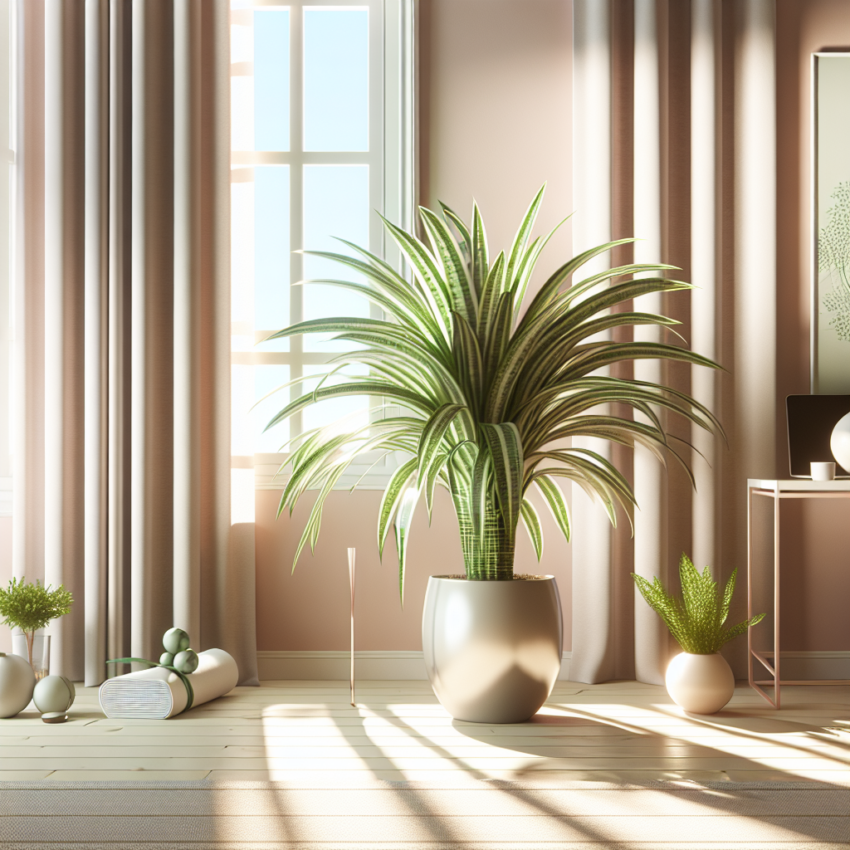
Many people are curious about the benefits of houseplants like the spider plant. Known for its lush foliage and easy care, the spider plant offers numerous advantages to any space it inhabits. In this article, we’ll explore the spider plant benefits, ranging from its ability to purify the air to enhancing mental health and décor.
Spider Plant Benefits for a Healthier Environment
The spider plant, scientifically known as Chlorophytum comosum, is more than just a decorative addition to your home. It actively contributes to creating a healthier environment by purifying the air. NASA research has shown that certain houseplants, including the spider plant, can effectively remove indoor air pollutants such as formaldehyde, xylene, and toluene.
These compounds are commonly found in household products and materials, potentially affecting indoor air quality. By introducing spider plants into your home, you may reduce these pollutants and improve the overall air quality, leading to a healthier living space.
Mental Health Benefits of Spider Plants
Beyond purifying the air, spider plants offer potential mental health benefits. Having plants around can lead to improved mood and reduced stress levels. This is particularly significant for individuals feeling overwhelmed by daily stressors. Engaging in plant care, whether through watering or repotting, offers a mindful practice that can soothe the mind and body.
Furthermore, greenery in your environment is associated with boosting concentration and productivity. This makes spider plants an excellent choice for your home office or study area. For more on natural ways to enhance concentration, check out this guide on menopause brain fog and natural remedies.
Decorative Appeal of Spider Plants
Spider plants are not just functional; they’re also aesthetically pleasing. Their cascading leaves add an elegant touch to any room, and their ability to thrive in various lighting conditions makes them versatile decorative elements. Whether you’re adorning a hanging basket or a tabletop pot, spider plants bring life and vibrancy to your interior design.
These plants are especially popular for their unique appearance, with slender leaves that arch gracefully from the center, often featuring contrasting green and white stripes. Such visual appeal can make a simple corner more inviting and engaging, contributing to an uplifting atmosphere in your home.
Easy Maintenance of Spider Plants
One of the most appealing aspects of spider plants is their low maintenance requirements. They adapt well to different environments, tolerating low light and irregular watering schedules. This makes them ideal for both novice plant owners and busy individuals.
Spider plants thrive in well-draining soil and, when adequately cared for, produce offshoots known as “pups” that can be propagated into new plants. This feature not only adds to your plant collection but also makes them a sustainable choice for those looking to share or expand their greenery.
When it comes to care, ensure your spider plant receives indirect sunlight and moderate watering. Allow the soil to dry between waterings to prevent root rot. With minimal effort, spider plants can thrive and continue to offer their numerous benefits.
Spider Plant Benefits: Conclusion
In summary, the spider plant is more than a houseplant; it’s an ally for healthier and more visually appealing living spaces. The benefits of the spider plant include air purification, mental health enhancements, and easy maintenance, making it a worthwhile addition to any home. With these advantages, spider plants can significantly enrich your living environment.
- Spider plants help purify indoor air by removing toxins.
- They offer mental health benefits like stress reduction.
- Their decorative appeal enhances home aesthetics.
- Spider plants are easy to maintain, even for beginners.
- They propagate easily, promoting sustainable plant growth.
Frequently Asked Questions
How often should I water my spider plant?
Spider plants should be watered moderately. Allow the soil to dry between waterings to avoid overwatering, which can lead to root rot.
Can spider plants thrive in low-light conditions?
Yes, spider plants can tolerate low-light environments, although they prefer bright, indirect sunlight for optimal growth.
Are spider plants safe for pets?
Spider plants are generally considered non-toxic to pets, but it’s always best to monitor your pets to ensure they don’t ingest large quantities.
How do I propagate spider plant pups?
Spider plant pups can be propagated by detaching them from the mother plant once they have small roots and planting them in their own pots with well-draining soil.
Do spider plants require special soil?
Spider plants prefer well-draining soil to prevent moisture accumulation that may cause root rot. A general-purpose potting mix with added perlite works well.