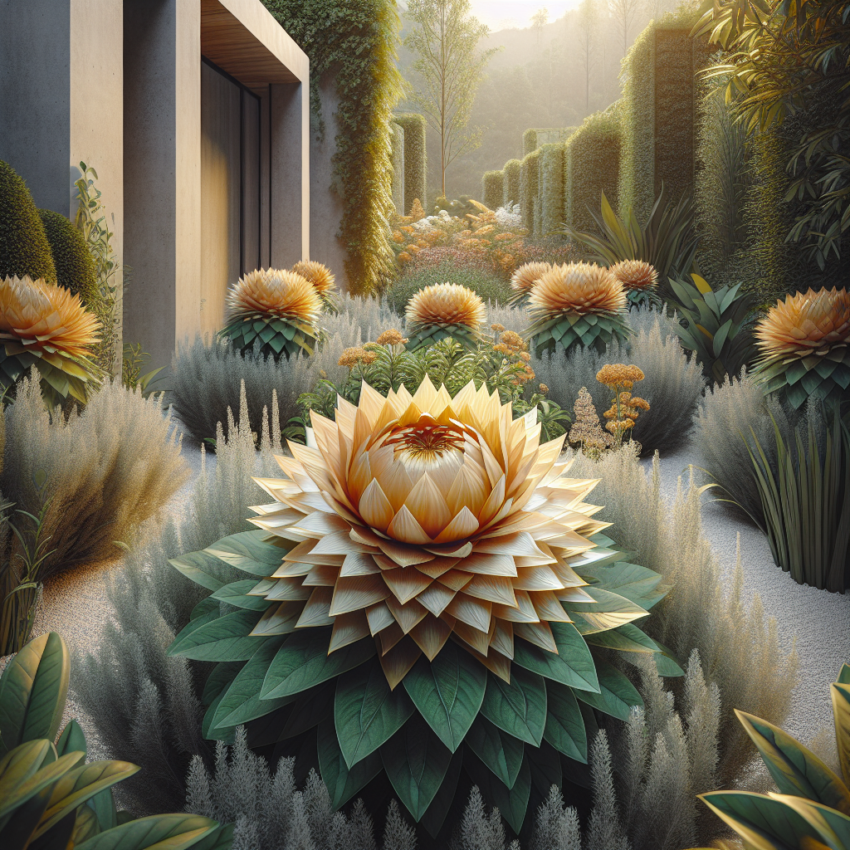
If you’re searching for a unique and resilient addition to your home garden, consider the stunning strawflower. Known for their papery texture and vibrant hues, strawflowers are not only easy to grow but also make for an excellent dried flower option, retaining their beauty long after being picked. This quality makes them an ideal plant for gardeners looking for lasting floral arrangements.
Why Choose Strawflowers for Your Garden?
The strawflower, also known as Helichrysum bracteatum, is a delightful perennial native to Australia. Its exceptional durability allows it to thrive in various climates, making it a favored choice for both experienced and novice gardeners alike. Unlike traditional flowers, strawflowers dry well, preserving their color and form, which is perfect for craft projects and decorations long past the growing season.
Planting Strawflowers
When you decide to plant strawflowers, you’ll be delighted to discover they are relatively low-maintenance. They require full sun and well-draining soil to flourish. Plant them after the last frost for best results. Space them adequately to allow air circulation, which minimizes the risk of fungal diseases. You may also consider starting them indoors and transferring them to your garden once the weather warms up.
Care and Maintenance
Strawflowers are drought-tolerant plants, so it’s crucial not to overwater them. Opt for a deep watering schedule, allowing the soil to dry out completely between sessions. This method encourages strong root growth. Fertilizing is only necessary if your soil is poor; otherwise, strawflowers readily adapt to a wide range of environmental conditions.
Using Strawflowers in Arrangements
One of the greatest joys of growing strawflowers is their versatility in floral arrangements. Their papery petals make them an ideal choice for dried flower crafts. To dry them, simply cut the stems just before the flowers completely open and hang them upside down in a dry, dark place. This practice maintains their vivid colors and unique texture.
If you’re interested in further enhancing your garden with natural beauty, you might explore additional benefits of natural remedies for various health and wellness purposes.
Companion Planting with Strawflowers
Strawflowers complement a variety of plants, and strategic companion planting can enhance the overall health of your garden. Pair them with herbs like lavender or rosemary, which not only share similar growing conditions but also help in deterring pests naturally. Additionally, they can be planted alongside other hardy flowers like marigolds to create a resilient garden bed.
Environmental Benefits
Growing strawflowers in your garden contributes to your local ecosystem’s health. They attract beneficial insects, including bees and butterflies, which play a critical role in pollination. By choosing plants like strawflowers, you’re helping to support these essential pollinators and promote biodiversity in your environment.
Moreover, strawflowers’ ability to thrive in less fertile soils without excessive water makes them a sustainable option for gardens focusing on conservation and environmental responsibility.
Common Issues and Solutions
Despite their hardiness, strawflowers may occasionally face challenges, such as aphids or powdery mildew. Aphids can be managed by introducing natural predators like ladybugs or using insecticidal soap. For mildew, ensure your plants have proper spacing and airflow and avoid overhead watering.
Strawflowers in your garden can transform your space into a vibrant, lively environment that keeps its charm year-round. Whether you’re using them for dried crafts or as part of a wildlife-friendly habitat, these flowers shine brightly among your garden selections.
Discover more about gardening with resilient species by visiting credible sources like Wikipedia’s health section, where you can learn about plants’ roles in environmental and personal health.
- Strawflowers are excellent for fresh and dried arrangements.
- They require full sun and well-draining soil for optimal growth.
- Strawflowers attract beneficial insects, aiding in pollination.
- They are a sustainable choice for eco-conscious gardeners.
- Despite their resilience, maintain spacing to prevent fungal issues.
What are the ideal conditions for growing strawflowers?
Strawflowers thrive in full sun and well-drained soil. They need minimal watering and do best when the soil is allowed to dry between waterings.
Can strawflowers be grown from seeds?
Yes, growing strawflowers from seeds is a straightforward process. Start them indoors a few weeks before the last frost and transplant them outside when conditions are suitable.
Are strawflowers suitable for indoor planting?
While primarily outdoor plants, strawflowers can be grown indoors if they have access to ample sunlight and a suitable growth environment.
Do strawflowers attract pollinators?
Yes, strawflowers attract various pollinators such as bees and butterflies, which can help improve the biodiversity of your garden.
How do I dry strawflowers effectively?
To dry strawflowers, cut the stems before the flowers are fully open and hang them upside down in a dry, dark location to preserve their color and shape.