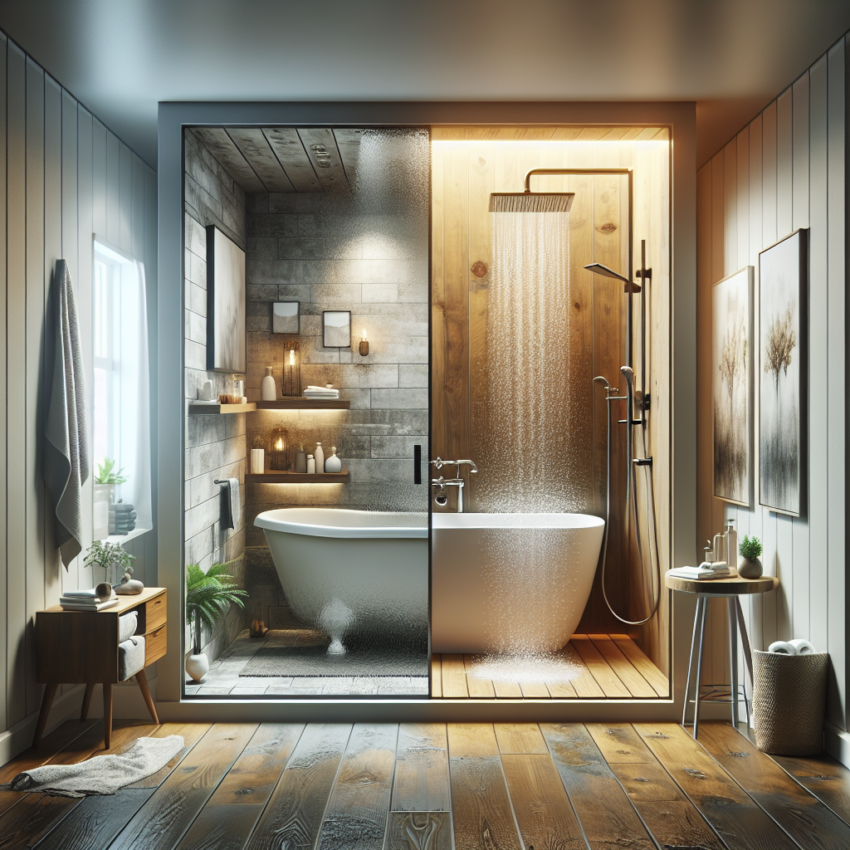
Considering a bathroom upgrade can significantly enhance your home’s functionality and value. A tub to shower conversion is a popular choice for homeowners looking to modernize their space. By replacing a bathtub with a shower, you can create a more accessible and stylish bathroom environment. Read on to explore the benefits, planning tips, and factors to consider when undertaking this transformation.
Benefits of a Tub to Shower Conversion
A tub to shower conversion brings numerous advantages, especially for homes with limited space or older residents. Showers are generally easier to access, making them a safer option for individuals with mobility challenges. They also require less water, which can contribute to reduced utility bills—ideal for environmentally conscious households.
Moreover, showers can be customized with a wide range of features, including seating, grab bars, and handheld showerheads, to enhance user comfort and safety. This flexibility allows you to tailor the design to your specific needs and style preferences.
Key Considerations Before Conversion
Before proceeding with a tub to shower conversion, evaluate your bathroom’s layout. Check if the existing plumbing can support the new setup or if extensive modifications are necessary. It’s also important to decide whether you prefer a prefabricated shower unit or a custom-built design.
Consider the materials, such as tiles or glass, that will best suit your aesthetic and maintenance preferences. For those interested in both aesthetics and functionality, incorporating sleek, modern materials can enhance your bathroom’s overall appeal.
Cost Implications
The cost of converting a tub to a shower varies based on several factors, including the complexity of the plumbing work, the design of the shower itself, and the choice of materials. While some homeowners may undertake this as a DIY project, others may prefer hiring professionals to ensure satisfactory results. If you’re planning home improvements, you may want to learn about the costs involved in other types of home projects.
Steps Involved in a Tub to Shower Conversion
Converting a tub to a shower involves several steps, beginning with the removal of the existing bathtub. Once the tub is removed, the next step is to prepare the plumbing to accommodate the new shower system. Typically, professional help is advisable during this phase to ensure the changes meet local building codes.
After plumbing adjustments, shower installation can commence. For prefabricated units, installation is often straightforward. Custom showers may involve more time, as they can include additional features such as built-in shelving or customized tiling. Finally, test the new shower fixtures to ensure proper water flow and sealing.
Design Ideas for Your New Shower
When planning your new shower, take advantage of the wide array of design options available. From minimalist glass enclosures to luxurious rainfall showerheads, the possibilities are endless. Many homeowners choose larger tiles for a sleek and modern look, while others opt for smaller mosaic designs for added texture and depth.
Incorporate shelving or recessed spaces for toiletries to maintain an organized appearance. Natural lighting can also enhance the shower area; consider frosted or clear glass doors to allow light flow while maintaining privacy.
Accessibility Features and Aging in Place
For those planning to stay in their homes as they age, a tub to shower conversion with accessibility features may be particularly beneficial. Features like non-slip flooring, benches, and grab bars ensure longevity and safety while maintaining ease of use.
Handheld showerheads and temperature controls are also recommended for flexibility and enhanced comfort during use. By preparing for future needs, you can ensure your bathroom remains functional and user-friendly over time.
Making the Decision: Is a Tub to Shower Conversion Right for You?
Deciding whether to proceed with a tub to shower conversion depends on your specific needs, budget, and long-term goals. This transformation may be ideal for those who prioritize accessibility and modern aesthetics in their bathroom design.
Additionally, when planning, consider the impact on your home’s resale value. Modern showers can be an attractive feature for future buyers, offering an appealing, low-maintenance option.
For more information on the benefits and procedures of bathroom conversions and other home improvements, you can find detailed insights from credible sources such as Wikipedia’s guide on bathrooms.
Converting your bathtub to a shower can provide your bathroom with a fresh, modern aesthetic and elevate your daily routine. Whether you prioritize convenience, style, or accessibility, this transformation offers a range of benefits tailored to suit a variety of needs.
- A tub to shower conversion improves bathroom accessibility and functionality.
- Considerations include layout, plumbing, and material choices.
- Professional help is recommended for plumbing adjustments and shower installation.
- Custom design options enhance aesthetics and personal comfort.
- Accessibility features can support aging in place and increase safety.
What are the main benefits of a tub to shower conversion?
A tub to shower conversion offers improved accessibility, reduced water usage, and modern design options that enhance both functionality and style.
How can I plan a successful conversion project?
Start by assessing your bathroom layout, determining plumbing needs, and deciding on a design that incorporates features that suit your style and practical needs.
Is it necessary to hire professionals for this conversion?
While some may choose to DIY, it is often recommended to hire professionals to ensure that plumbing and installation are done correctly, adhering to local code requirements.
What are some popular design choices for a new shower?
Popular choices include glass enclosures, rainfall showerheads, built-in shelving, and varied tile designs that provide a custom look.
Can a shower conversion influence my home’s resale value?
Yes, a modern shower is often viewed as a value addition, appealing to buyers interested in low-maintenance, stylish bathroom options.