Dealing with black mold in your shower can be a daunting task for any homeowner. This stubborn fungus not only mars the appearance of your bathroom but can also pose health risks. Understanding how to effectively tackle this issue and prevent its recurrence is key. In this article, we will discuss the necessary steps to remove black mold and provide preventative measures to ensure it doesn’t return.
Understanding Black Mold in the Shower
Black mold, or Stachybotrys chartarum, thrives in damp and humid environments, making showers a prime breeding ground. It appears as dark spots on grout, tiles, or fixtures, and while it may seem just like an eyesore, prolonged exposure can lead to health complications, particularly respiratory issues.
Supplies Needed for Mold Removal
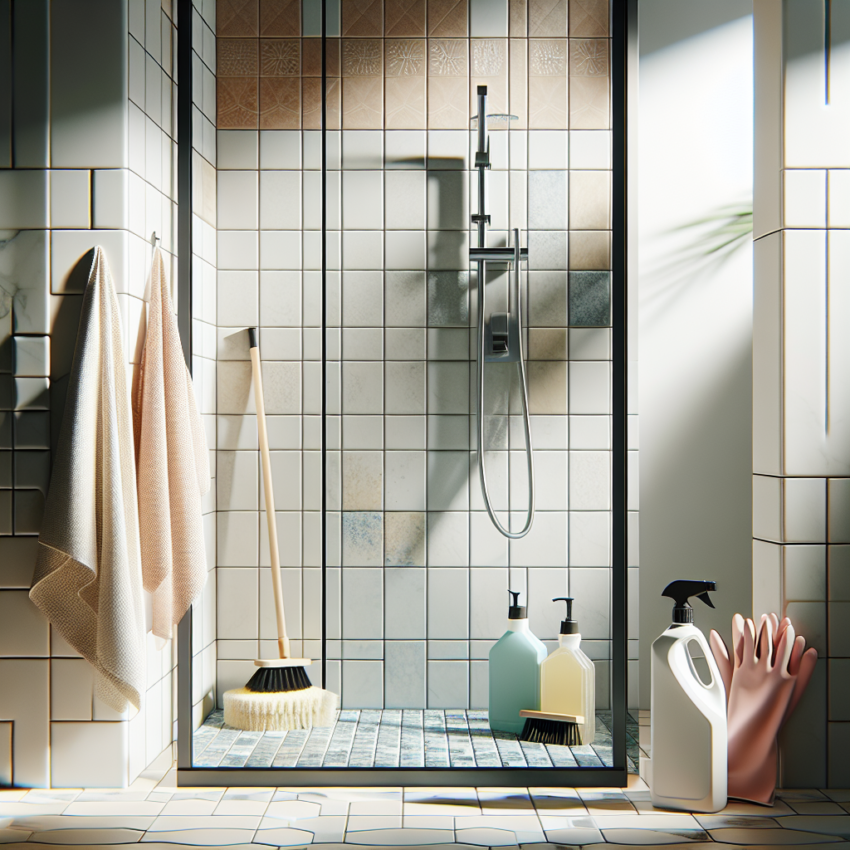
Before starting the cleaning process, gather the necessary supplies to ensure you can effectively and safely remove the mold. You’ll need:
- Protective gear: gloves, mask, and goggles to prevent inhalation and skin contact
- Cleaning agents: vinegar, baking soda, bleach, or commercial mold remover
- Scrub brushes or sponges for scrubbing the affected areas
- Old rags or towels for drying surfaces post-cleaning
How to Remove Black Mold in Your Shower
Removing black mold requires a systematic and thorough approach to ensure it doesn’t linger or spread. Follow these steps:
1. Ensure Proper Ventilation
Before starting, open windows or use fans to ventilate the area. This will help reduce the concentration of mold spores and any chemical fumes from cleaning agents.
2. Apply Cleaning Solution
Mix a cleaning solution of your choice. A popular homemade option is a blend of vinegar and baking soda. Apply the solution on the moldy surfaces, ensuring full coverage.
3. Scrub the Area
Use a brush or sponge to scrub the affected areas. Pay special attention to grout lines and corners where mold tends to accumulate. Persistent stains may require another application of the cleaning solution.
4. Rinse Thoroughly
After scrubbing, rinse with water to remove any residue and chemical agents. Dry the area completely using clean towels to prevent moisture retention.
5. Consider a Commercial Cleaner
If mold persists, you might need a stronger commercial cleaner designed to combat black mold. Follow the product instructions carefully and ensure adequate ventilation.
Preventing the Return of Black Mold
Once you’ve successfully removed the mold, implementing preventive measures is crucial. Here’s how to minimize the risk of future outbreaks:
1. Control Humidity
Humidity control is pivotal. Use a dehumidifier in your bathroom to maintain dry air or install an exhaust fan to reduce moisture during and after showers.
2. Regularly Clean and Dry Surfaces
Routine cleaning and drying of tiles, grout, and showerheads help prevent mold formation. Ensure to wipe down wet areas after each use.
3. Seal Grout Lines
Sealing grout lines with a waterproof sealant reduces their porosity and susceptibility to mold. Regularly inspect and reseal as needed.
By following these steps, your shower can remain a mold-free environment. For more information on natural remedies and home maintenance tips, you might find our article on natural remedies and supplements for menopause brain fog insightful.
Conclusion
Effectively addressing black mold in your shower involves understanding the problem, committing to removal, and adopting preventive strategies. Regular maintenance of your bathroom environment can help protect your household from potential mold-related health issues.
- Use protective gear when dealing with mold.
- Ensure proper ventilation during cleaning.
- Use a mixture of vinegar and baking soda for a natural cleaning solution.
- Implement preventive measures to avoid mold recurrence.
- Consult resources like this detailed health guide for further reading.
FAQ
What causes black mold to grow in showers?
Black mold grows in showers due to the warm, damp conditions that allow mold spores to thrive. Poor ventilation and infrequent cleaning can exacerbate the issue.
Is it safe to remove black mold on my own?
Yes, it’s generally safe if proper precautions are taken, such as using protective gear and ensuring ventilation. For extensive mold problems, consider hiring professionals.
Are there health risks associated with black mold?
Yes, prolonged exposure to black mold can lead to respiratory issues, particularly in individuals with pre-existing conditions or allergies. It’s important to address mold issues promptly.
Can regular household cleaners kill black mold?
Some household cleaners, particularly those containing bleach or vinegar, can be effective against black mold. However, for stubborn mold, specialized cleaners might be required.
How can I prevent black mold from returning?
Maintain low humidity, ensure proper ventilation, clean and dry bathroom surfaces regularly, and seal grout lines. These actions can help deter mold growth.