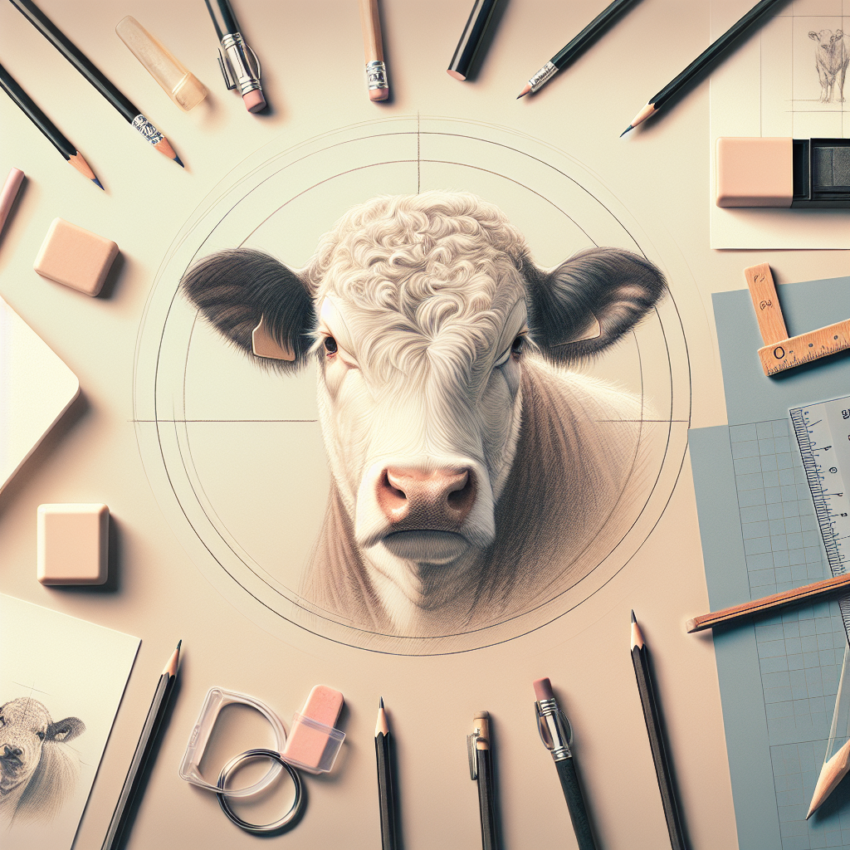
Have you ever admired a piece of art that beautifully captures the essence of cattle, and wondered how such mastery in cattle drawing was achieved? Whether you’re an aspiring artist or simply a cattle enthusiast looking to express your passion visually, understanding the principles of cattle drawing can elevate your skills, offering new dimensions to your creativity.
Cattle Drawing: Understanding the Basics
Like any art form, cattle drawing begins with a fundamental understanding of the subject. Each breed possesses unique characteristics, from the curvature of their horns to the texture of their fur. Acquiring a keen eye for these details is pivotal.
Start by gathering reference materials. Observing real cattle or photographs can be enormously beneficial. When doing so, focus on the proportions and distinctive features that define the breed you’re interested in capturing. This step sets the foundation for your drawing, allowing for a more accurate and compelling visual representation.
Techniques for Creating Lifelike Cattle Art
Once you have a solid understanding of the anatomy and characteristics, it’s time to dive into techniques that can enhance your artwork. Contour drawings help outline the structure, while shading techniques add depth and realism.
- Line Techniques: Use a combination of thin, light lines for preliminary sketches and dark, bold lines for definition and emphasis.
- Shading: Mastering light and shadow is crucial for adding dimension. Techniques like cross-hatching and stippling can create different textures and tones.
- Detailing: Focusing on the eyes and fur details can considerably increase the lifelike quality of your drawing.
As you refine your skills, try experimenting with different mediums such as charcoal, graphite, or ink to find what suits your style best. Each medium offers unique advantages in texture and expressiveness, contributing to the overall impact of your cattle drawing.
Advancing Your Artistic Journey
To expand your prowess beyond basic drawings, consider adding backgrounds or other elements that complement the cattle theme. This approach not only embellishes your artwork but also conveys a story or scene.
Attending workshops or online courses can be beneficial in gaining new insights and techniques. Engaging with fellow artists or communities online can offer support and constructive feedback, fostering your growth.
Integrating Other Art Forms
Combining cattle drawing with other forms of art can create more dynamic pieces. For example, integrating agriculture-related elements can offer a fuller portrayal of rural life. A guide to irrigation systems can serve as an inspiration for such thematic integration. To explore this topic further, consider reading about irrigation systems that enhance pastoral settings.
Cultural and Historical Contexts
Cattle have been an integral part of many cultures, often symbolizing strength, prosperity, or spirituality. Understanding these contexts can enrich your drawings with layers of meaning. For comprehensive cultural significance, institutions like Wikipedia offer detailed insights.
Appreciating the cultural backdrop encourages you to infuse depth into your artistic interpretations. Consider how cattle have influenced artistic expressions historically, from cave paintings to modern representations.
Common Mistakes and How to Avoid Them
Even seasoned artists encounter challenges. A common issue is neglecting to focus on perspective, which can lead to disproportionate or unrealistic renderings. Practicing perspective can prevent this and ensure accuracy.
Another frequent mistake is overworking a drawing, which can result in an unnatural appearance. Learn to identify when a piece is complete and resist the urge to add superfluous details or corrections.
Developing your unique style requires patience, perseverance, and an open mind. Embrace mistakes as learning opportunities, and celebrate progress along your artistic journey.
In conclusion, mastering cattle drawing involves a balance of technique, observation, and cultural appreciation. By nurturing these skills, you contribute to a tradition of depicting one of humanity’s most enduring companions with elegance and empathy.
Explore your creativity freely and allow your artistic journey to unfold, one cattle drawing at a time. This practice not only enhances your artistic capabilities but also deepens your appreciation for these magnificent creatures.
- Cattle drawing starts with understanding anatomy and details.
- Employ various techniques like shading for realism.
- Enhance artwork by integrating meaningful backgrounds.
- Consider cultural contexts for a richer depiction.
- Avoid common pitfalls like poor perspective and overworking.
What are the fundamental techniques for beginners?
Beginners should focus on sketching basic shapes, practicing proportions, and using contour lines to define structure.
How can artists add more depth to their drawings?
Artists can use shading techniques, such as cross-hatching and stippling, to add dimension and make drawings more lifelike.
What mistakes should beginners avoid?
Avoid rushing through preliminary sketches, neglecting perspective, and overworking the drawing with excessive detail.
How can cultural elements enhance cattle drawings?
Incorporating cultural elements can imbue drawings with symbolic resonance and connect them to historical contexts.
Are there any resources for learning more about cattle anatomy?
Numerous online tutorials and books focus on animal anatomy, providing detailed insights that can aid in producing accurate and realistic drawings.