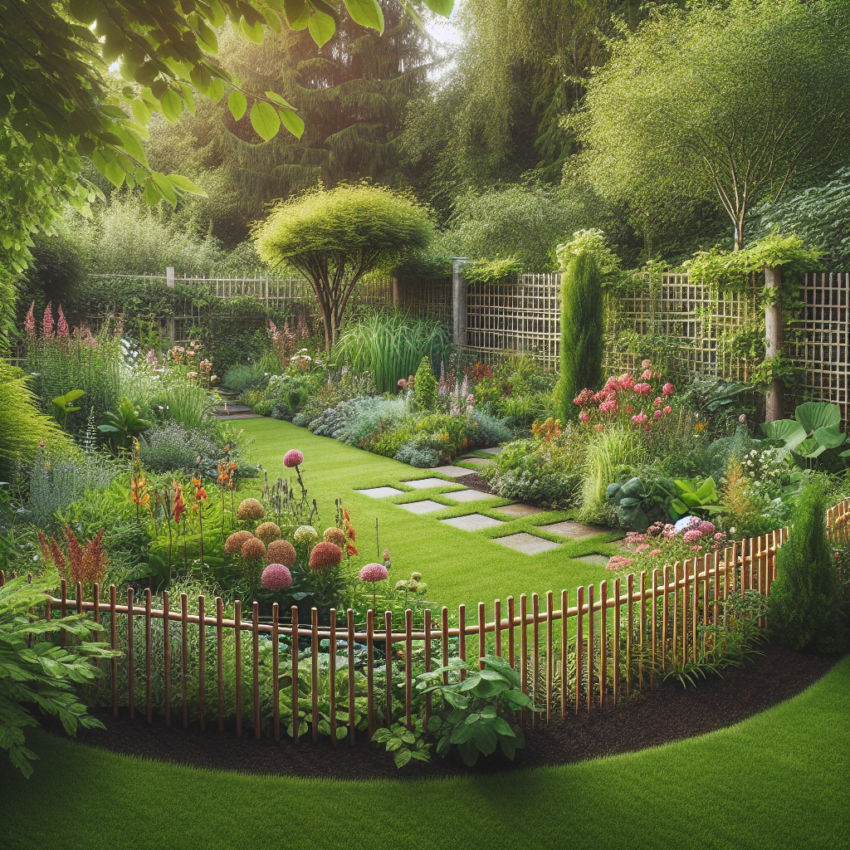
Building a deer fence is an effective strategy for gardeners looking to safeguard their plants from deer damage. Deer are known for their ability to easily jump over obstacles and nibble through gardens, which can be a gardener’s worst nightmare. Implementing a well-constructed deer fence is one of the most reliable ways to protect your hard-earned horticultural efforts.
The Benefits of Installing a Deer Fence
When it comes to keeping deer at bay, a deer fence serves as a formidable barrier between these unwelcome guests and your garden. Fences can be constructed using a variety of materials, providing flexibility and aesthetic options suitable for different landscapes. Beyond protecting your plants, a deer fence also adds value and structure to your property.
Choosing the Right Material for Your Deer Fence
Selecting the appropriate material for your deer fence is crucial to ensuring its effectiveness. Common materials include mesh, wire, and wooden fences, each offering unique benefits. Mesh fences are popular for their visibility and ease of installation, while wire fences can provide a more rustic appearance. Wooden fences are sturdy but may require more maintenance.
Proper Height and Design Considerations
Designing a deer fence that stands tall and firm is essential. Typically, deer fences should be at least 7 feet high, as deer can comfortably jump lower obstacles. A good design includes sturdy posts and a tight fence line to prevent deer from slipping under. Some gardeners opt for electric fences for added deterrent, although these require additional safety measures.
For those interested in landscaping projects, you might want to learn about other home improvement projects like resurfacing a concrete driveway.
Installation: DIY or Hire a Professional?
Deciding whether to install a deer fence on your own or hire professionals depends on your expertise and budget. Installing it yourself can save money and provide a personalized touch. However, hiring professionals ensures precision and durability, which can be advantageous if you’re not familiar with fence construction.
Maintaining Your Deer Fence
After installation, the fence requires periodic maintenance to remain effective. Regularly check for any damage or wear and tear, such as holes or loose wires, and repair them promptly. This will prolong the life of your fence and continue to protect your garden from deer.
Integrating the Deer Fence with Your Landscape
A well-integrated deer fence can complement your existing garden design rather than detract from it. Consider using vine plants or climbing flowers to blend the fence into its surroundings, making your barrier both functional and attractive.
Alternative Strategies for Deer Control
In addition to using a fence, other strategies can help control deer populations around your garden. Planting deer-resistant plants, using repellents, or employing noise deterrents are alternative ways to keep deer at bay. However, an effective fence is usually the backbone of a comprehensive deer control strategy.
Deer Fence Cost Considerations
The cost of a deer fence varies based on materials, fence size, and installation complexity. Although the initial investment may seem steep, the long-term savings and peace of mind from preventing crop damage or garden destruction justify the expense.
Conclusion: A Deer Fence is a Worthy Investment
Investing in a deer fence offers a practical solution for gardeners facing problems with deer. By carefully selecting materials and design, and being mindful of maintenance, you can enjoy a thriving garden with far fewer worries of deer intrusion. Take the time to plan and you’ll find the benefits of a deer fence far outweigh the initial efforts or costs involved.
- A deer fence can effectively protect your garden from deer intrusion.
- Select the right material to fit your landscape and budget needs.
- Consider the height and design to ensure effectiveness.
- Regular maintenance is key to prolonging your fence’s life.
- Explore alternative strategies for additional deer control.
FAQ
What is the ideal height for a deer fence?
The ideal height for a deer fence is at least 7 feet to prevent deer from jumping over it.
Can I install a deer fence myself?
Yes, you can install a deer fence yourself. However, hiring a professional can ensure precision and durability.
What materials are best for building a deer fence?
Common materials for deer fences include mesh, wire, and wood, each offering unique benefits in terms of durability and aesthetics.
How much does a deer fence typically cost?
The cost varies depending on materials and size, but investing in a deer fence can save money in the long term by protecting your garden from damage.
Where can I learn more about effective gardening practices?
For more information on effective gardening practices, you can visit credible informational resources such as the Wikipedia article on gardening.