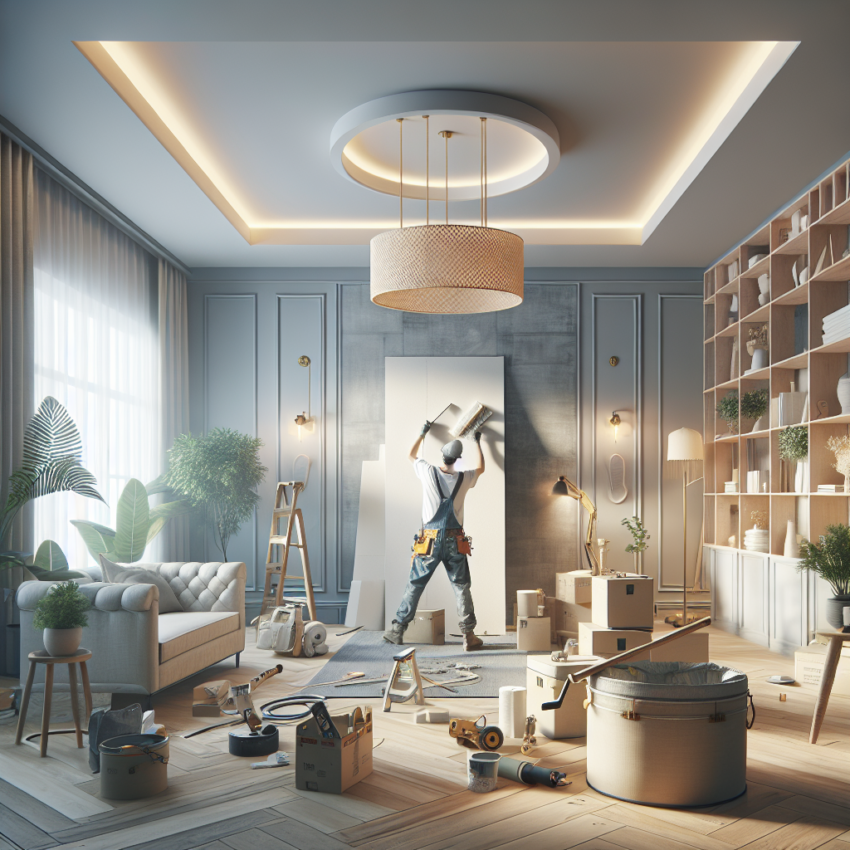
Gypsum wallboard is a popular construction material in modern interior design, offering a wide array of benefits for both residential and commercial spaces. But what exactly makes gypsum wallboard so versatile and appealing? In this article, we’ll explore the numerous advantages that gypsum wallboard brings to the table, transforming your space into a functional and aesthetically pleasing environment.
The Advantages of Gypsum Wallboard
One of the key benefits of gypsum wallboard is its ease of installation. Unlike traditional plaster methods, which require skilled labor and extensive drying times, gypsum wallboard is relatively simple to install. This ease allows for a faster turnaround on construction projects and reduces labor costs.
Additionally, gypsum wallboard boasts impressive fire resistance. This property makes it an ideal choice for buildings requiring strict fire safety standards. Gypsum wallboard contains a non-combustible core, which helps slow the spread of fire, offering valuable time for escape and potentially reducing damage.
Another significant advantage is sound insulation. Gypsum wallboard can significantly reduce noise between rooms, providing privacy and enhancing the comfort of any building’s occupants. It’s especially advantageous in multi-family housing, office spaces, and hotels where noise control is a primary concern.
Beyond practical benefits, gypsum wallboard also provides aesthetic flexibility. It can be easily finished with paint, wallpaper, or paneling, allowing for a personalized touch to any space. This versatility in decoration makes it highly suitable for any design preference or style.
Environmental and Health Benefits
Gypsum wallboard is also recognized for its environmental benefits. Many manufacturers produce gypsum wallboard from recycled materials, which contributes to sustainable building practices. This recycling process not only conserves resources but also minimizes waste.
Furthermore, the production and installation of gypsum wallboard produce relatively few emissions compared to other building materials. This low impact on air quality is crucial in supporting a healthier indoor environment, reducing the risk of respiratory issues among occupants.
For those interested in learning how sustainable materials like gypsum wallboard can complement eclectic home designs, consider exploring vintage map décor as a timeless trend. Pairing these two elements can create a unique and environmentally friendly interior.
Applications and Versatility of Gypsum Wallboard
The applications of gypsum wallboard are numerous, making it a staple in the construction industry. It is widely used for interior walls and ceilings, providing a smooth surface ideal for finishing. This material’s versatility allows it to be used in a variety of settings, from residential homes to commercial office complexes.
Gypsum wallboard can also be utilized in creating innovative architectural features like curved walls or intricate ceiling designs, showcasing its adaptability. With the correct installation techniques, gypsum wallboard can help achieve a high-end look at a fraction of the cost of more elaborate materials.
Conclusion
Overall, the benefits of using gypsum wallboard in construction are substantial. Not only does it provide practical advantages in terms of fire resistance, sound insulation, and ease of installation, but it also offers environmental benefits that contribute to sustainable building practices. Whether you’re involved in a major commercial project or a simple home remodel, consider gypsum wallboard as a versatile and efficient choice.
For more detailed information on the building material, visit this comprehensive guide on the subject.
- Gypsum wallboard is easy to install, cutting down on construction time and labor costs.
- It offers excellent fire resistance and sound insulation properties.
- The material is environmentally friendly, often made from recycled products.
- Gypsum wallboard provides a versatile surface for any design style.
- It is widely applicable in both residential and commercial settings.
FAQs
What is gypsum wallboard typically used for?
Gypsum wallboard, often used for interior walls and ceilings, is known for its smooth finish and ease of decoration.
How does gypsum wallboard help in fire resistance?
It contains a non-combustible core that helps to slow down the spread of fire, providing crucial time for evacuation.
Can gypsum wallboard improve sound insulation?
Yes, it can significantly reduce the transmission of sound between rooms, enhancing privacy and comfort.
Is gypsum wallboard environmentally friendly?
Yes, many wallboards are made from recycled materials, contributing to sustainable building practices and better indoor air quality.
Can gypsum wallboard be used for ornate designs?
Absolutely, gypsum wallboard is versatile enough for creating curved walls and intricate ceiling designs.