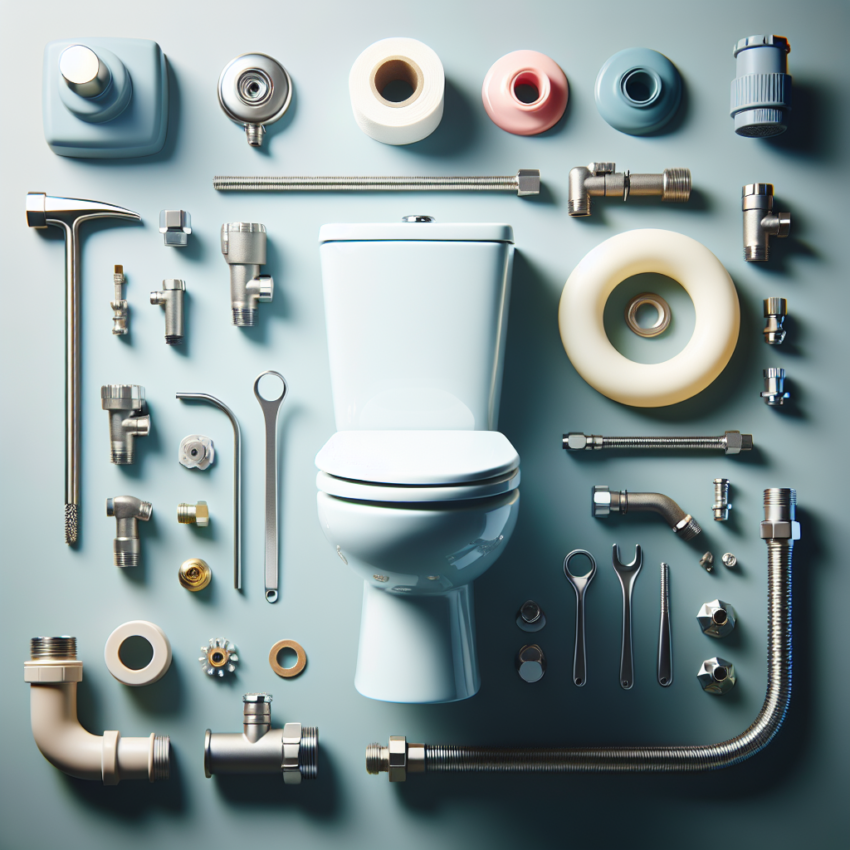
When it comes to maintaining a functioning bathroom, understanding the basics of a toilet fill valve can be immensely beneficial. The toilet fill valve is an essential component of the toilet’s functioning mechanism, responsible for refilling the tank with water after each flush. Choosing the right toilet fill valve is crucial for efficient water usage and optimal performance.
Understanding the Toilet Fill Valve
A toilet fill valve regulates the water flow into the toilet tank, ensuring it refills to the appropriate level after flushing. There are several types of fill valves, each serving the same primary function but with unique design elements. Picking the right one can help prevent wasted water and potential leaks.
Types of Toilet Fill Valves
Different types of toilet fill valves include:
- Gravity Fill Valves: The most common and traditional type, these valves rely on gravity to refill the tank.
- Pressure-Assisted Fill Valves: These are used in toilets that require additional power to assist flushing.
- Float Cup Fill Valves: A modern version, these are compact and adjust easily to water level changes.
- Floatless Fill Valves: As the name suggests, these do not use a float but instead rely on pressure sensing.
Considerations When Choosing a Fill Valve
When selecting a toilet fill valve, consider factors like compatibility, water efficiency, noise level, and ease of installation. Ensuring compatibility with your toilet is paramount, as an incompatible valve can lead to inefficient functioning and potential damage.
Water efficiency varies between valves. Modern valves often offer water-saving features that help reduce water consumption. Additionally, consider the noise level. Some fill valves can be quite loud as they refill the tank, which might be important if your bathroom is near living areas.
Installation and Maintenance
Most homeowners can replace a toilet fill valve with basic tools. Look for valves that offer straightforward installation instructions. Additionally, regular maintenance of your toilet fill valve can prolong its life and efficiency.
Regularly inspect your fill valve for signs of wear or malfunction. Ideally, a fill valve should be replaced every five years, depending on usage and water quality in your area.
For those interested in effective maintenance and ensuring the best home environment, consider exploring our comprehensive guides on home improvement and maintenance.
Common Problems with Toilet Fill Valves
A clogged fill valve can disrupt the refilling process, leading to a non-functional toilet. This blockage might stem from debris in the water supply. In this case, cleaning the valve may solve the issue.
Another common problem is a leaking fill valve, which often results in a constantly running toilet. This issue could arise from a misaligned float or a worn-out valve. Checking these components periodically can prevent excessive water use.
Environmental Considerations
Choosing an eco-friendly toilet fill valve can significantly reduce water wastage. Efficient valves can help conserve water, saving you money on utility bills and reducing your environmental footprint. Look for valves certified by eco-labels or those that have earned high ratings for efficiency.
Efficient water use isn’t just about toilets but permeates every aspect of home living. Learning about broader eco-friendly practices can benefit the entire household. For more information on sustainable home practices, visit this informative page on water-saving techniques.
Conclusion
Understanding and selecting the right toilet fill valve is essential for a well-functioning bathroom. By considering factors like compatibility, efficiency, and ease of installation, you can ensure optimal performance and water conservation. Regular maintenance and timely replacement will further optimize your toilet’s function.
- The toilet fill valve is an integral component of your toilet’s function.
- Different types of fill valves are available to suit various needs and toilets.
- Consider water efficiency, noise level, and installation ease when selecting a fill valve.
- Regular maintenance can extend the life of your toilet fill valve.
- Eco-friendly valves can contribute to significant water savings.
What is a toilet fill valve?
The toilet fill valve is a mechanism that refills the toilet tank with water after each flush. It ensures that the toilet remains ready for the next use.
How do I know if my toilet fill valve is faulty?
A faulty fill valve may cause issues such as a running toilet, unusual noises, or inadequate water levels in the tank. Regular inspection can help identify these problems early.
Can I replace a toilet fill valve myself?
Yes, replacing a toilet fill valve is typically a straightforward DIY task. Most valves come with detailed instructions to guide you through the process.
How often should I replace my toilet fill valve?
It’s advisable to replace your toilet fill valve every five years, although this may vary depending on the valve’s usage and the quality of your water supply.
Are there eco-friendly options for toilet fill valves?
Yes, many modern fill valves are designed with water efficiency in mind, helping reduce water usage and contributing to environmental conservation.