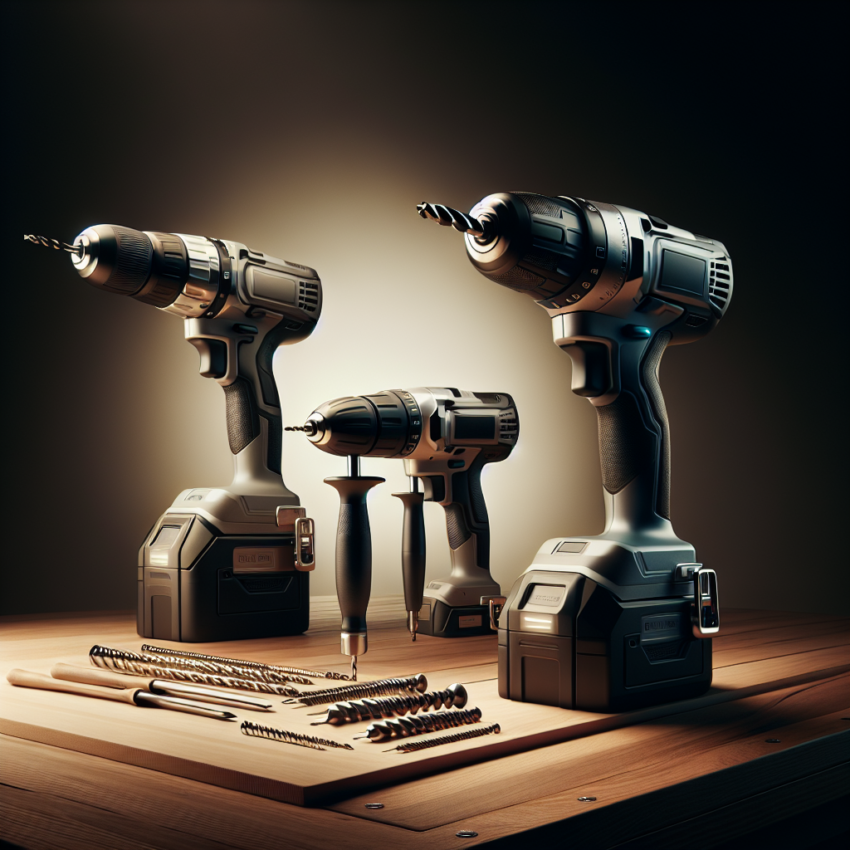
When undertaking a new home improvement or construction project, choosing the right tool is essential for efficiency and success. One commonly debated choice is the impact drill vs drill. Each has its benefits and specific use cases, making them better suited for certain tasks. Understanding the differences between these two tools will help you make an informed decision for your upcoming project.
Understanding the Impact Drill vs Drill
The term “drill” can refer to various tools used for making holes or driving screws. The standard drill, also known as a driver drill, is versatile for many DIY tasks. It has a simple mechanism and is generally lightweight and easy to handle. However, when tackling tougher materials, an impact drill may be more effective.
Impact drills, often called impact drivers, are designed for heavy-duty tasks. They combine rotational force with a hammering action, making them ideal for driving screws into harder surfaces like masonry or dense wood. This hammering action differentiates an impact drill from a standard drill, allowing it to deliver more torque and power.
When to Use a Standard Drill
A standard drill is ideal for everyday tasks such as drilling holes in wood, metal, or plastic. It is a go-to tool for household repairs, furniture assembly, and installing fixtures. Its simplicity and ease of use make it a staple in any toolkit.
For tasks that require precision and control, especially when working with delicate materials, a standard drill remains the preferred choice. Its variable speed settings help maintain accuracy and care, ensuring a clean finish without damage to the workpiece.
The Advantages of an Impact Drill
The impact drill is perfect for tasks requiring more force, such as driving long screws or bolts into tougher materials. Its high torque output, combined with its compact size, allows it to perform efficiently in situations where a standard drill might struggle.
Another advantage of impact drills is their reduced risk of kickback, a common issue with standard drills when working with hard surfaces. The impact mechanism absorbs much of the force, resulting in less strain on your wrist and forearm.
Features Comparison: Impact Drill vs Drill
When comparing the features of impact drills and standard drills, several aspects should be considered, including power, weight, and ergonomics.
- Power: Impact drills generally offer higher torque, which is crucial for drilling through dense materials.
- Weight & Size: Standard drills are often lighter and more compact, making them easier to handle over long periods.
- Noise Level: Impact drills tend to be noisier due to their hammer-mechanism. Hearing protection may be necessary during prolonged use.
- Cost: Standard drills are typically more affordable, making them accessible for beginners and occasional users.
Choosing the Right Tool for Your Project
The choice between an impact drill and a standard drill depends largely on the specific needs of your project. Consider the material you’re working with, the complexity of the task, and your own experience level.
Your choice might also benefit from understanding broader contexts, especially if the project impacts home fitness or wellness installations that might utilize innovations or specific hardware adjustments.
Projects involving heavy materials and intense tasks may warrant the purchase of an impact drill for its superior torque and efficiency. However, for regular home repairs and less demanding tasks, a standard drill will likely be sufficient and more cost-effective.
Impact Drill vs Drill: Final Thoughts
In summary, the impact drill vs drill decision should be guided by the nature of your projects and personal handling preferences. Whether you need the brute force of an impact drill or the precision of a standard drill, both tools are valuable in their respective arenas, complementing each other well in a complete tool kit.
For further insights and understanding of how these tools can enhance your home environment, ensuring safe and effective application is crucial.
- Impact drills are best for heavy-duty tasks with tough materials.
- Standard drills offer versatility and ease of use for everyday tasks.
- Consider project demands and personal comfort when choosing a tool.
- Both drills complement each other in a comprehensive tool collection.
- Always prioritize safety and ergonomics when operating power tools.
FAQs
What is the main difference between an impact drill and a standard drill?
The main difference is that an impact drill provides both rotational force and a hammering action, while a standard drill only offers rotational force.
Can I use an impact drill for all drilling tasks?
While impact drills are versatile, they are best used for tasks requiring high torque, like driving screws into hard materials. For delicate tasks, a standard drill is more suitable.
Is a standard drill sufficient for woodworking?
Yes, a standard drill is typically sufficient for woodworking, especially for drilling holes and driving screws into softwood and non-dense materials.
Are impact drills worth the investment for home projects?
If your projects include working with hard materials or require frequent heavy-duty tasks, investing in an impact drill can be beneficial.
Do impact drills require special maintenance?
Impact drills require similar maintenance to standard drills, such as regular cleaning, lubrication, and battery care for cordless models.