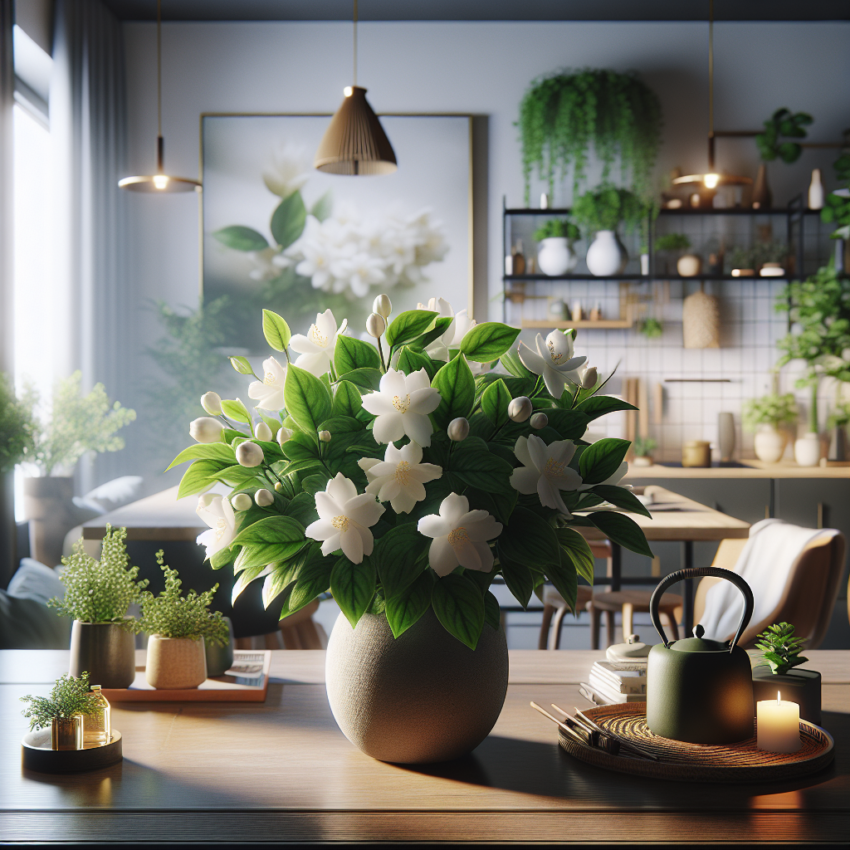
Jasminum sambac, a beautiful flowering plant known for its rich fragrance, holds a place of reverence in both gardens and wellness circles. With its delicate, star-shaped blooms and alluring scent, it is beloved by gardeners and perfumers alike. Beyond its aromatic appeal, jasminum sambac is also noted in traditional practices for its potential health benefits.
Understanding Jasminum Sambac
The plant originates from Southeast Asia and thrives in warmer climates. Often called Arabian jasmine, jasminum sambac is prominent in Indian and Chinese cultures, where it is used in religious ceremonies and for making scented teas and oils. Its scent is famously utilized in the production of perfumes and cosmetics due to its sweet, exotic aroma.
From a botanical perspective, jasminum sambac is a member of the olive family and can grow as either a small shrub or vine. Its flowers are typically white, blooming in clusters, and exude a fragrance that intensifies at night, adding to their appeal and mythic allure.
Potential Health Benefits of Jasminum Sambac
Jasminum sambac is not only admired for its fragrance but is also being studied for its potential health properties. It is used in alternative practices to promote relaxation and well-being, regarded for properties that may help alleviate stress and support mental health.
The essential oil derived from jasminum sambac is popular in aromatherapy. It is believed to have calming effects that can help alleviate anxiety and improve mood. Some studies suggest that jasmine oil may also aid in sleep quality, making it a popular choice for those looking to enhance their relaxation routines.
Beyond emotional support, the flowers of the plant are also considered for their potential antioxidative properties. While more research is needed to fully understand these benefits, jasminum sambac continues to be a subject of interest for scientific exploration.
Culinary Uses and Cultural Significance
In addition to its ornamental and aromatic uses, jasminum sambac holds culinary significance. In various cultures, the flowers are used to add a subtle fragrance to tea blends. Jasmine tea, a popular beverage in China and other parts of Asia, is renowned for its soothing flavor and aroma.
Jasminum sambac blends seamlessly into cultural traditions, where its flowers are often woven into garlands and used in ceremonies and celebrations. Its pervasive presence in folklore and customary practices underscores its importance beyond mere aesthetics.
Integrating Jasminum Sambac into Wellness Routines
For those interested in incorporating jasminum sambac into their wellness routines, aromatherapy offers a simple and effective method. Diffusing jasmine oil or adding it to bathwater can create a tranquil environment conducive to relaxation.
When exploring natural remedies for cognitive support, jasminum sambac is mentioned alongside other traditional practices. For more information on natural approaches to health, consider exploring this article on natural remedies and supplements as it offers insights into integrating botanical elements for enhanced cognitive function.
Environmental and Cultivation Aspects
Growing jasminum sambac can be rewarding for plant enthusiasts, as it is relatively low-maintenance in appropriate climates. This evergreen plant flourishes with sunlight and well-drained soil, making it a suitable choice for bright indoor spaces or gardens where it can spread and climb.
Cultivating jasminum sambac not only adds beauty to the landscape but also supports environmental biodiversity by attracting pollinators such as bees. Its sweet nectar appeals widely, providing ecological benefits alongside its decorative and aromatic offerings.
Conclusion
As a fragrant jewel of the plant world, jasminum sambac captivates and intrigues with its multifaceted nature. Whether enhancing a garden with its blooms or enriching a wellness routine with its scent, it remains a cherished element in cultures worldwide. In the exploration of its full potential, jasminum sambac continues to inspire and provide delightful sensorial experiences.
For further exploration of health and well-being topics, the comprehensive resource on health may offer valuable insights.
- Jasminum sambac is known for its beautiful, fragrant blooms.
- The plant has potential health benefits that could support relaxation and promote mental well-being.
- Jasmine oil is commonly used in aromatherapy.
- Jasminum sambac flowers can be used to flavor teas.
- Cultivating this plant can enhance a garden and support biodiversity.
FAQ
What is jasminum sambac?
Jasminum sambac is a fragrant flowering plant from Southeast Asia, often used in perfumes and teas.
Can jasminum sambac improve mental health?
While it is believed to have calming effects, further research is needed to conclusively determine its impact on mental health.
How is jasminum sambac used in aromatherapy?
The essential oil from the plant is diffused or added to bathwater to promote relaxation and reduce stress.
Is jasminum sambac easy to grow?
Yes, it is relatively low-maintenance and thrives in sunny, well-drained environments, making it suitable for many gardens.
Does jasminum sambac have culinary uses?
Yes, its flowers are often used to add fragrance to teas and other culinary applications.