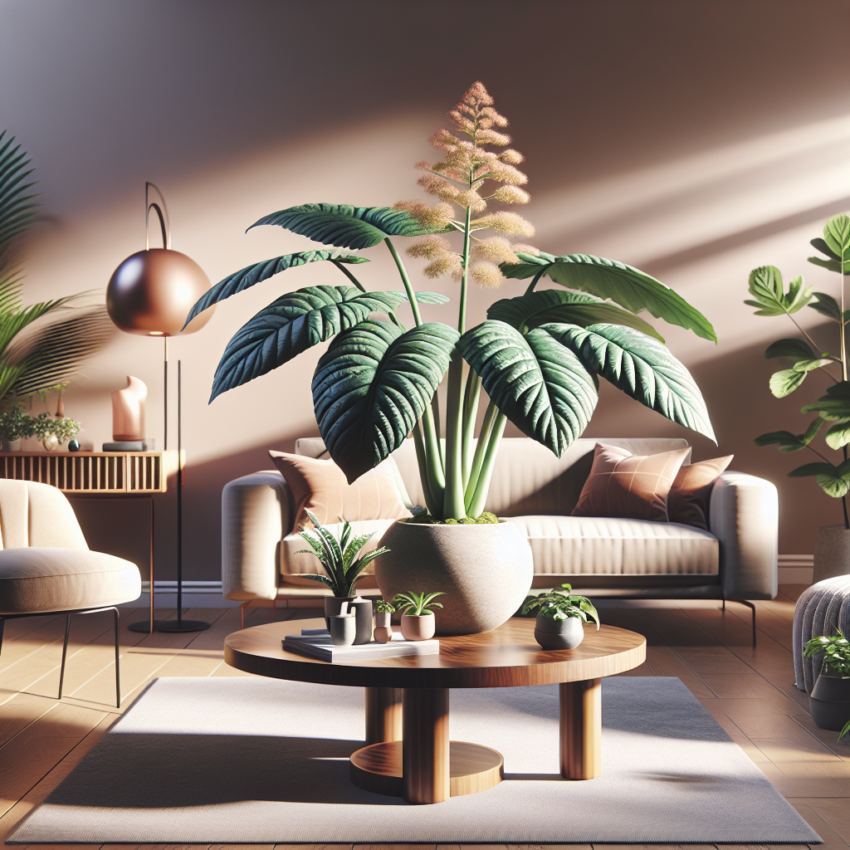
Ligularia, also known by its more common name, the leopard plant, is a captivating addition to both gardens and indoor spaces. Known for its striking foliage and bright blooms, ligularia can transform ordinary environments into lush, lively areas. But beyond its aesthetic appeal, ligularia offers several hidden benefits that make it an ideal choice for garden enthusiasts and homeowners alike.
Why Choose Ligularia for Your Garden?
One of the most compelling reasons to incorporate ligularia into your garden is its ability to thrive in shaded areas. Unlike many other plants that demand full sunlight, ligularia prospers in the cooler, dimmer parts of your garden. This trait makes it especially valuable for those with limited sunny spots. With its broad leaves and vibrant flowers, ligularia performs admirably as a gorgeous ground cover, enhancing any landscape with its unique charm.
Environmental Benefits of Ligularia
Ligularia does not just beautify your surroundings; it can also play a role in improving local ecosystems. Its lush foliage provides a habitat for beneficial insects and supports biodiversity. Moreover, the plant’s roots help stabilize soil, reducing erosion and promoting healthier soil structure. Having ligularia in your garden can thus contribute to a more balanced and thriving outdoor environment.
Ligularia: Health Benefits and Uses
While primarily a decorative plant, ligularia may possess certain health-supporting properties. Studies are underway to explore potential benefits, such as its anti-inflammatory and antioxidant activities. However, it is important to remember that more research is needed to confirm these properties. For those interested in exploring plants for health purposes, [https://prblogs.org/category/health/](https://prblogs.org/category/health/) offers a range of informative articles.
Decorative Uses in Home Interiors
Beyond the garden, ligularia is increasingly becoming a popular choice for interior decoration. Its bold and striking leaves create an eye-catching display, making it an attractive houseplant for brightening shaded corners indoors. Whether placed in a container on a countertop or used as a focal point in a living room, ligularia adds a splash of color and a touch of nature to any home setting.
Essential Care Tips for Ligularia
To ensure that your ligularia thrives, it is important to understand its care requirements. Watering is critical, as the plant prefers moist soil and can suffer in dry conditions. Additionally, ligularia benefits from regular feeding during the growing season with a balanced fertilizer. Understanding its preferences allows you to cultivate a robust and flourishing ligularia, whether indoors or outdoors.
In conclusion, ligularia offers more than just aesthetic appeal. Its ability to adapt to different environments and potential health-supporting properties make it a valuable addition to gardens and homes. Considering ligularia’s unique requirements and benefits, it may be the perfect plant to enhance your space.
- Ligularia thrives in shaded areas, making it ideal for difficult garden spots.
- The plant supports biodiversity and soil health in your garden.
- When used as a houseplant, ligularia adds color and vitality to indoor spaces.
- Care includes keeping the soil moist and feeding during the growing season.
What are the ideal growing conditions for ligularia?
Ligularia prospers in shaded conditions with consistently moist soil. It benefits from protection against strong winds and thrives in areas that mimic these conditions.
Can ligularia be used for indoor decoration?
Yes, ligularia can be an excellent indoor plant. Its bulky leaves and vibrant appearance make it a standout choice for decorative purposes in homes.
Are there any health benefits associated with ligularia?
While ligularia may possess anti-inflammatory and antioxidant properties, further research is needed to confirm these health benefits. Interested individuals should consult relevant health articles for more information.
How does ligularia contribute to environmental health?
Ligularia helps in preventing soil erosion and supports biodiversity by providing a habitat for beneficial insects, enhancing the health of your garden ecosystem.
Where can I find more information about plant-based health benefits?
For more detailed information on potential health benefits of plants, you can visit credible sources such as the [Wikipedia page on Health](https://en.wikipedia.org/wiki/Health).