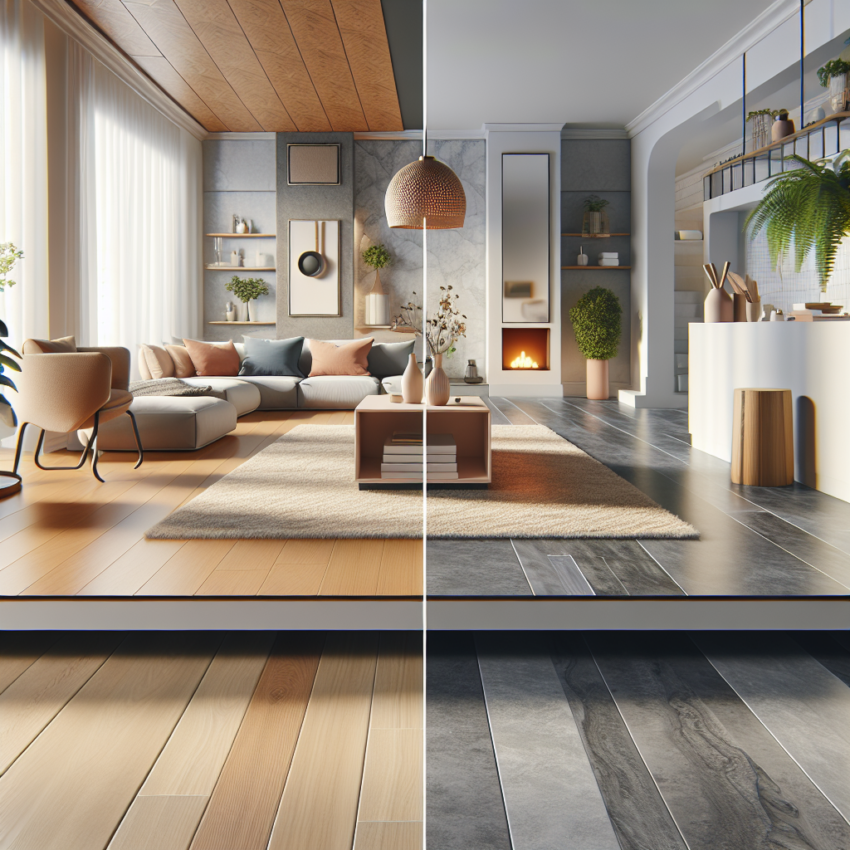
When selecting the perfect flooring for your home, a common debate arises: pergo flooring vs vinyl. Both options offer durability and aesthetic appeal, but understanding the differences between the two can help you make an informed decision. Whether you’re remodeling a single room or updating your entire home, this guide provides insights into the benefits and drawbacks of both Pergo and vinyl flooring.
Understanding Pergo Flooring vs Vinyl
Let’s begin by exploring Pergo flooring, a type of laminate flooring known for its remarkable resemblance to hardwood. This flooring is famous for its durability, ease of installation, and low maintenance. On the other hand, vinyl flooring is an increasingly popular choice, offering versatility and resilience. It comes in various forms, including sheets, planks, and tiles, and can mimic the look of wood, stone, or tile.
Advantages of Pergo Flooring
Pergo flooring prides itself on offering a realistic wood appearance with the benefits of laminate. One significant advantage is its resistance to wear and tear, making it ideal for high-traffic areas. Thanks to its multi-layer construction, Pergo is both water and scratch-resistant. This makes it suitable for households with children and pets.
Additionally, Pergo is relatively easy to install, often featuring a click-lock design that permits a floating installation over various types of subfloors. This can be a great DIY project for homeowners looking to save on installation costs.
Advantages of Vinyl Flooring
Vinyl flooring offers its own set of strengths, including excellent water resistance and a softer feel underfoot compared to laminate. This makes it more comfortable for prolonged standing and can be a perfect choice for kitchens and bathrooms. Vinyl is also available in a wide range of styles and colors, allowing for extensive customization.
Another advantage of vinyl is its affordability. It generally costs less than other flooring options while providing similar aesthetic and performance benefits. Vinyl’s durability has improved significantly over the years, with many luxury options now offering enhanced stability and longevity.
Comparing Maintenance and Durability
Both Pergo and vinyl flooring are low maintenance options, but there are nuances in their care. Pergo floors can withstand mild cleaning solutions and vacuuming, whereas vinyl floors can be easily cleaned with a damp mop and mild detergent. Both materials resist stains and are designed for easy upkeep.
Durability is a key factor in the pergo flooring vs vinyl debate. While Pergo is tough against scratches, vinyl excels in water resistance. If moisture exposure is a concern, especially in areas like basements or bathrooms, vinyl may be the preferred choice.
Aesthetic and Style Considerations
Choosing the right style is crucial to ensure your flooring complements your decor. Pergo’s laminate blends well with many design aesthetics, offering the classic look of wood at a fraction of the cost. It works beautifully in living rooms, bedrooms, and hallways.
Conversely, vinyl offers unmatched adaptability in design options. From mimicking exotic woods to showcasing intricate tile patterns, vinyl can be tailored to almost any aesthetic preference. This versatility allows homeowners to experiment with different looks throughout various rooms of the house.
Budget and Installation Concerns
Budget is always a key consideration in any home improvement project. On average, Pergo flooring tends to be slightly more expensive than vinyl, reflecting its quality and manufacturing process. However, both materials offer incredible value, especially when compared to traditional hardwood or tile.
Installation is another factor where vinyl has an edge for those on a tight schedule. Its installation methods are straightforward, and because of its pliability, it can be easier to fit around obstructions and imperfect subflooring.
Making the Right Choice for Your Home
The decision between pergo flooring vs vinyl ultimately comes down to your specific needs and priorities. Consider the traffic and moisture levels in your space, your budget, and the time you wish to devote to the installation process.
If you’re drawn to the appearance of wood and need a durable option in less moisture-prone areas, Pergo might be the ideal choice. For those seeking a versatile, budget-friendly solution with high water resistance, vinyl could be the better fit.
Incorporating elements like vintage home decor can seamlessly blend with your chosen flooring. For ideas, check out how to decorate your home with vintage maps.
For a deeper understanding of flooring types and their benefits, you can explore more about these materials and technologies on this informative page on flooring.
- Consider your home’s traffic and moisture levels when choosing flooring.
- Pergo flooring offers a realistic wood look with water and scratch resistance.
- Vinyl flooring is versatile, cost-effective, and provides excellent water resistance.
- Both options are low maintenance and easy to install.
- Think about style and compatibility with your existing or desired home decor.
What is Pergo flooring?
Pergo is a type of laminate flooring known for its durability and resemblance to hardwood. It is scratch-resistant and often features a click-lock design for easy installation.
How is vinyl flooring different from laminate flooring?
Vinyl flooring is made of PVC and is waterproof, making it suitable for areas with high moisture. Laminate, like Pergo, has a fiberboard core and is more susceptible to moisture damage, though it resists scratches well.
Is vinyl or Pergo better for bathrooms?
Vinyl is generally a better choice for bathrooms due to its superior water resistance. It can withstand constant exposure to moisture without damage.
Can I install Pergo or vinyl flooring myself?
Yes, both Pergo and vinyl flooring can be installed as DIY projects. Pergo often features a click-lock mechanism, while vinyl can be installed as floating, glued, or peel-and-stick.
Which flooring option is more budget-friendly?
Vinyl typically offers a more budget-friendly option than Pergo, although prices can vary based on the style and quality of the flooring chosen.