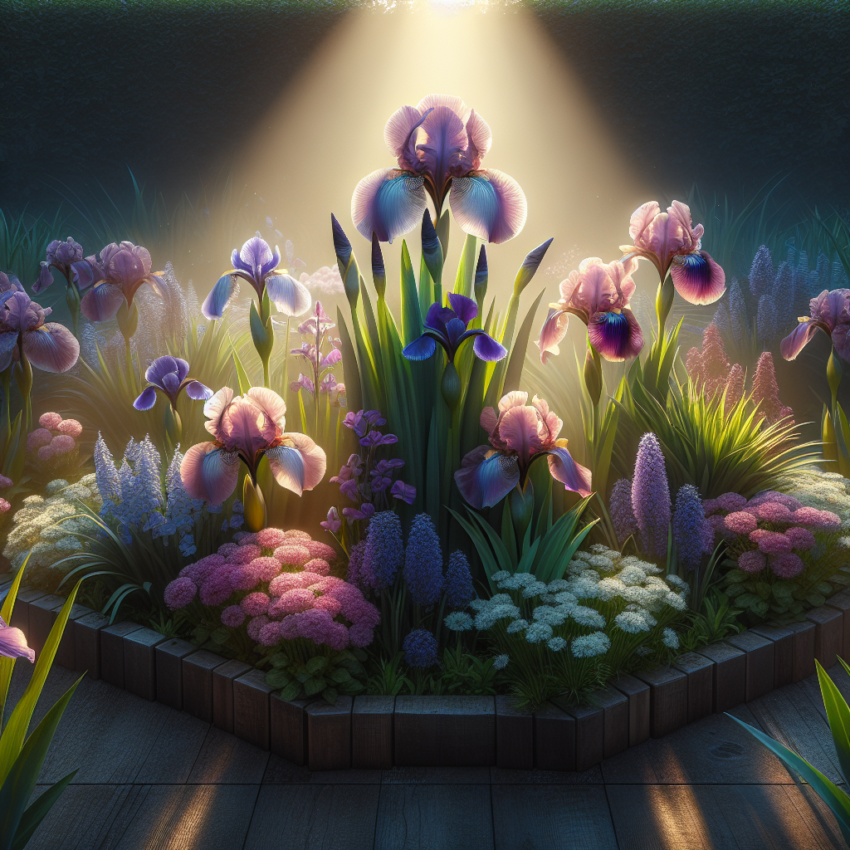
Are you ready to transform your garden with a touch of elegance and beauty? The vibrant colors and stunning forms of Iris sibirica can help you achieve just that. Known for their hardy nature and exquisite flowers, planting Iris sibirica is a rewarding experience for any gardening enthusiast. This versatile perennial thrives in a variety of environments, bringing life and vibrancy to your outdoor space.
How to Get Started Planting Iris Sibirica
Starting your journey with Iris sibirica is straightforward and promising, especially if you’re armed with the right information. First, select a location with the right amount of sunlight. Ideally, they thrive in full sun but can tolerate partial shade. Ensuring the soil is well-drained is also crucial, as Iris sibirica prefers moist, fertile conditions.
Choosing the Best Soil and Location
Once you’ve identified the perfect spot, focus on preparing the soil by adding organic matter such as compost. This improves soil fertility, drainage, and moisture retention. Iris sibirica is remarkably versatile and capable of growing in a range of pH levels but performs best in slightly acidic to neutral soil.
Consider the layout of your garden and the colors you wish to display. Mixing Iris sibirica with other perennials that have contrasting colors, such as daylilies or hostas, can create a captivating display.
Planting Process and Care
For the actual planting process, the rhizomes should be planted shallowly, about 1-2 inches deep, and spaced approximately 18-24 inches apart to allow ample growth. Spring and autumn are the best seasons for planting Iris sibirica. After planting, water them well to establish their roots.
Incorporating an appropriate irrigation system can vastly improve efficiency in maintaining moisture levels. For more detailed guidance, consider checking our comprehensive guide to irrigation systems.
Iris Sibirica Maintenance Tips
Once planted, Iris sibirica requires minimal maintenance. Regularly remove dead foliage and spent flowers to encourage continuous blooms. Fertilize in early spring using a balanced fertilizer to promote healthy growth.
Disease is rarely a problem with Iris sibirica, making it an excellent choice for beginner and experienced gardeners alike. Nonetheless, keep an eye out for pests and signs of bacterial soft rot, which can be managed with proper garden hygiene and timely intervention.
Benefits of Planting Iris Sibirica
Besides their aesthetic appeal, planting Iris sibirica provides several other benefits. These plants are excellent for attracting pollinators such as bees and butterflies, enhancing the biodiversity of your garden. Additionally, they require comparatively less water once established, aligning well with sustainable gardening practices.
According to this Wikipedia article on Iris plants, their adaptability and resilience make them a popular choice among global gardeners aiming for a harmonious and balanced ecosystem.
Design Tips for Integrating Iris Sibirica
Beyond the practical steps of planting, consider making Iris sibirica an integral part of your garden design. Their vertical growth habit makes them perfect for the back of a border or as a striking specimen plant in a mixed bed. Their tall, slender stems add height and drama, particularly effective when interspersed with lower-growing plants.
Experiment with different groupings and color palettes, perhaps pairing them with grasses for a natural meadow-like effect. Their late-spring to early-summer flowering period also fills the gap between early spring blooms and summer flowers.
Enhance Your Landscape with Iris Sibirica
Integrating these beautiful irises into your garden plan can significantly enhance your outdoor space’s visual and environmental quality. Their vibrant, showy blossoms coupled with the plant’s hardiness make Iris sibirica a standout addition to any garden.
Finally, remember that patience and strategic planning when planting Iris sibirica will reward you with flourishing plants and beautiful blooms that will captivate and bring joy across seasons.
- Iris sibirica thrives in full sun or partial shade.
- Use well-drained, fertile soil for best growth.
- Plant rhizomes shallowly in early spring or autumn.
- Minimal maintenance is required after establishment.
- Attracts pollinators and enhances garden biodiversity.
What is the best time of year to plant Iris sibirica?
The best time to plant Iris sibirica is during the early spring or autumn. These seasons allow the plants to establish their roots without being subjected to extreme temperatures.
How much sunlight does Iris sibirica require?
Iris sibirica thrives in full sunlight but can tolerate partial shade. Providing ample sunlight encourages more vigorous flowering and growth.
How do I care for Iris sibirica after planting?
After planting, ensure regular watering until established, then maintain plants by cutting back dead foliage and flowers. Apply a balanced fertilizer in spring for healthy growth.
Are there any pests or diseases that affect Iris sibirica?
While Iris sibirica is relatively resistant to pests and diseases, root rot can occur in poorly drained soil. Ensuring a proper planting environment and maintaining garden hygiene can prevent most issues.
Can Iris sibirica be grown in containers?
Yes, Iris sibirica can be grown in containers, given that the containers are large enough and provide adequate drainage. Ensure regular watering, especially during dry spells, as container plants dry out faster.