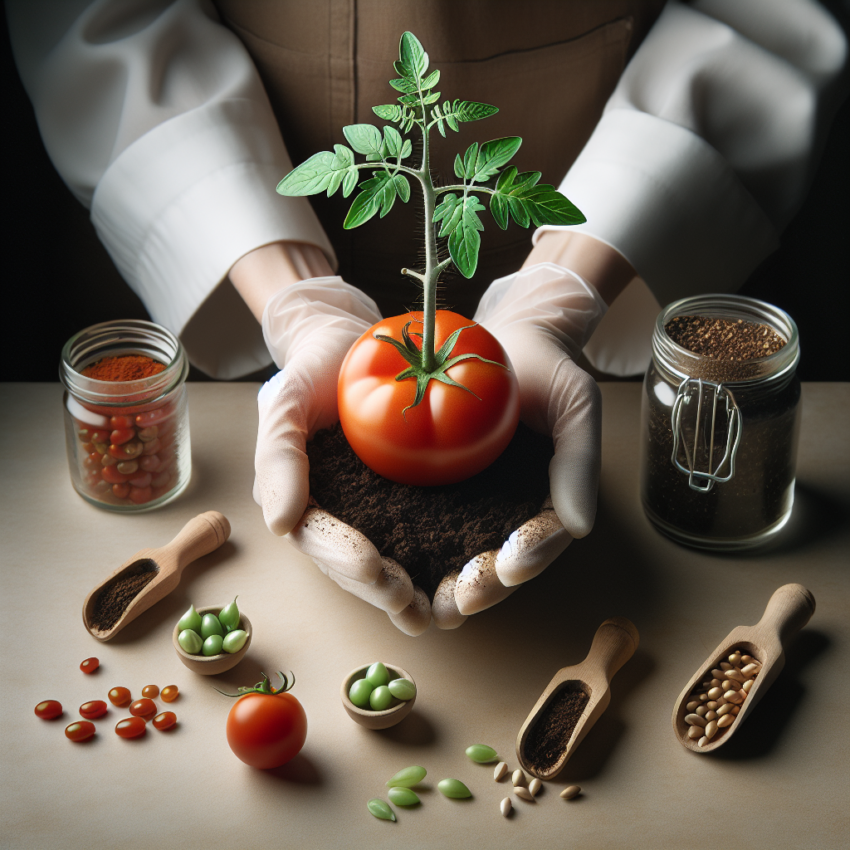
Tomatoes are a staple in many gardens, and growing them from seeds can be a rewarding experience. If you’re wondering about planting tomato seeds from tomatoes, this guide is for you. Whether you’re a seasoned gardener or just starting, the process of planting seeds from fresh tomatoes is simpler than you might think. By following a few key steps, you’ll soon be on your way to a bountiful harvest.
How to Start Planting Tomato Seeds from Tomatoes
Before diving into the gardening process, it is essential to select the right type of tomato. Opt for healthy, ripe tomatoes that haven’t been refrigerated. Heirloom varieties are often recommended because they are open-pollinated and will produce seeds that grow plants similar to the original. Avoid hybrid tomatoes, as they may not produce true to type.
Preparing Seeds for Planting
Once you have your tomatoes, slice them open and scoop out the seeds. You will notice they are encased in a gel-like substance, which you need to remove to facilitate germination. Place the seeds in a bowl of water for several days until fermentation occurs. This process breaks down the gel and makes the seeds ready for planting.
After fermentation, rinse the seeds thoroughly and spread them on a paper towel to dry. Allow them to dry for a week, ensuring they are completely moisture-free to prevent mold growth during storage.
Planting the Seeds
Once your seeds are ready, it’s time to plant. Start by planting the seeds indoors about six to eight weeks before the last expected frost date in your area. Fill seed tray cells with seed-starting mix and place one to two seeds per cell. Lightly cover with soil and water gently.
Ensure the seeds are kept in a warm area, ideally between 70 and 75 degrees Fahrenheit. Providing adequate sunlight is crucial; if natural sunlight is insufficient, consider using a grow light to make up the difference.
Transplanting Tomatoes
As your seedlings begin to grow, it is important to monitor their progress. Once they develop their second set of leaves, it’s time to transplant them to larger pots. This step helps develop robust root systems and vigorous plants.
After the danger of frost has passed, your young plants can be moved outdoors. Choose a sunny spot in your garden with well-drained soil. Space the plants 18 to 24 inches apart, and water thoroughly after transplanting.
Tips for Growing Healthy Tomato Plants
Tomatoes thrive with plenty of sun exposure and regular watering. Aim to water in the early morning, allowing moisture to reach the roots while minimizing evaporation. Mulching around the base can help retain soil moisture and reduce weeds.
Fertilizing is another critical aspect. Tomatoes require a balanced fertilizer rich in nitrogen, phosphorus, and potassium to support growth and fruit production. Follow the recommended guidelines for fertilization rates to avoid over-fertilizing, which can damage plants.
To maximize fruit yield, consider pinching off the first few flowers. This encourages the plant to grow more foliage, which will lead to a stronger, more prolific plant. Additionally, provide support such as cages or stakes to prevent the plants from sprawling on the ground.
Dealing with Pests and Diseases
Tomatoes can be susceptible to a variety of pests and diseases. Regular inspection of your plants will help catch issues early. Remove any tomato hornworms by hand, and be vigilant for signs of blight or fungal infections. Crop rotation and ensuring good airflow can help minimize these risks.
Using natural pest deterrents, like marigolds or basil planted nearby, can also be beneficial in preventing pest infestations. For severe issues, consider organic pest control solutions.
Harvesting Your Tomatoes
As tomatoes begin to ripen, you’ll notice their color changing from green to red or yellow, depending on the variety. Picking them at their peak ripeness is key to enjoying their best flavor. Use clean, sharp shears to harvest, leaving a small stem attached.
By regularly harvesting, you encourage further production. Try to avoid letting tomatoes over-ripen on the vine, which can lead to pest problems and plant stress.
- Selecting heirloom tomatoes can yield seeds that grow true to type.
- Fermentation is crucial for seed preparation prior to planting.
- Indoor seed planting should begin six to eight weeks before the last frost.
- Support structures, like cages, enhance growth by supporting the plant structure.
- Regular inspections can help prevent common pest and disease issues.
FAQ
How do I know when my tomatoes are ready to harvest?
Tomatoes are usually ripe when they have a deep, uniform color and feel slightly firm. If they easily detach with a gentle twist, they are ready to pick.
What is the best way to support growing tomato plants?
Use a cage or stake to support growing tomato plants. This support keeps the plant upright, enhances air circulation, and can help prevent diseases.
Can I plant the seeds from store-bought tomatoes?
Yes, but success rates vary depending on whether the tomatoes are heirlooms or hybrids. Heirlooms are better, as they are more likely to reproduce true to type.
How should I store my harvested tomatoes?
Store harvested tomatoes at room temperature, out of direct sunlight. Only refrigerate them once they are fully ripe to prolong shelf life.
What are common signs of tomato plant diseases?
Look for discolored spots, wilting, mold, or unusual growth patterns. Early detection is key to managing plant health effectively.
For those interested in further enhancing their gardening skills, check out how certain supplements could benefit recovery.
For more information on tomato cultivation and care, you may refer to Wikipedia’s detailed guide on tomatoes.
Incorporating these expert tips for planting tomato seeds from tomatoes can help you cultivate a rich and productive garden. Happy gardening!