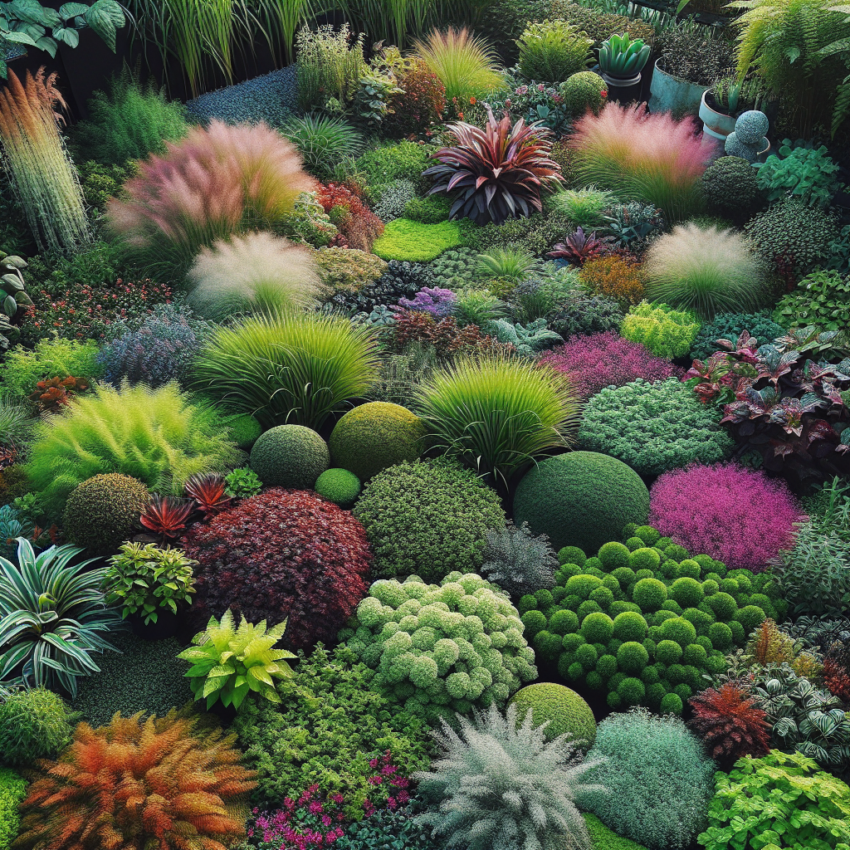
Your garden’s potential can be elevated effortlessly with the introduction of ground cover plants. These versatile plants not only enhance the visual appeal of your landscape but also serve functional purposes. Ground cover plants can reduce soil erosion, suppress weeds, and provide an aesthetic continuity throughout your garden. Whether you are a seasoned gardener or a newcomer, integrating ground cover plants into your outdoor space can create a stunning, vibrant landscape.
Why Choose Ground Cover Plants?
Ground cover plants are low-growing, spreading plants that offer excellent soil coverage. They range in color, texture, and size, providing endless creative possibilities. Beyond aesthetics, they play a crucial role in ecosystem health by providing habitat for small wildlife, protecting the soil, and even conserving water.
Types of Ground Cover Plants
There are several types of ground cover plants to suit different environments and garden styles. Varieties range from flowering to evergreen, each with unique characteristics. Here are a few popular types:
- Creeping Thyme: A fragrant, drought-resistant plant perfect for sunny areas.
- Periwinkle (Vinca minor): Known for its shiny, green leaves and violet-blue flowers.
- Sedum: Ideal for rockeries, thanks to its succulent leaves and bright flowers.
- Lamb’s Ear: With its soft, silver foliage, it adds interest to shaded areas.
Benefits of Ground Cover Plants
Ground cover plants aren’t just about looks; they have practical benefits that every gardener can appreciate. These plants help to maintain soil health by reducing erosion and improving water retention. Their mat-like growth habit also suppresses weed growth, minimizing the need for mulch and herbicides.
Moreover, ground cover plants can enhance the microclimate of your garden by stabilizing soil temperature and humidity, which creates a more stable environment for other plants to thrive. They can also become a haven for beneficial insects and pollinators, promoting biodiversity within your garden.
Best Practices for Planting Ground Covers
Success with ground cover plants begins with proper site preparation. Choose plants that suit your specific soil type, light conditions, and climate for optimal growth. Before planting, ensure the soil is weed-free and well-drained.
Space your plants according to their mature width to allow them enough room to spread without overcrowding. Regular watering initially is key until the plants become established. Once matured, most ground covers are low maintenance, requiring occasional trimming to keep them tidy.
Creative Garden Designs with Ground Cover Plants
Ground cover plants offer endless design possibilities. You can use them to create natural pathways, fill gaps between pavers, or establish a lush green lawn alternative. Mix various colors and textures to add depth and contrast to your garden landscape.
For a vibrant display, consider combining flowering ground covers with evergreens. The continuous foliage ensures year-round interest, while the flowers add seasonal color. Whether you aim for a minimalist aesthetic or a riot of colors, ground cover plants can help you achieve the desired effect.
If you’re interested in exploring other natural enhancements for your well-being, check out our article on natural remedies and supplements.
Ground Cover Plants: Low Maintenance and High Impact
One of the biggest advantages of ground cover plants is their ease of care. Once established, these plants require minimal intervention, making them ideal for busy gardeners. They offer high impact with little effort, ensuring your garden remains a standout feature.
Planting ground cover plants can transform your garden into a vibrant, inviting space. With careful selection and placement, these plants bring beauty and function to the forefront, allowing for both aesthetic and practical gardening success.
To learn more about the environmental benefits and options available for ground cover in your garden, reference credible sources such as the detailed entries available on Wikipedia.
Takeaways
- Ground cover plants provide aesthetic and practical benefits to any garden.
- Select plant varieties based on light, soil conditions, and climate for best results.
- Proper site preparation and spacing are key to successful planting.
- Once established, ground covers are low-maintenance and enhance biodiversity.
- Experiment with different textures and colors for a personalized garden design.
FAQ
What are ground cover plants?
Ground cover plants are low-growing, spreading plants used to cover soil surfaces and provide various environmental benefits.
How do ground cover plants reduce soil erosion?
The dense growth of ground cover plants helps stabilize the soil and absorb rainfall, thereby reducing runoff and erosion.
Can ground cover plants survive in shade?
Yes, many ground cover plants thrive in shaded areas. Varieties such as hostas and pachysandra are excellent options.
How should ground cover plants be maintained?
Once established, most ground covers require minimal maintenance, including occasional trimming and watering during dry periods.
Are ground cover plants suitable for all climates?
There are ground cover plants available for every climate and soil type. It’s essential to choose species suited to your local conditions for optimal growth.