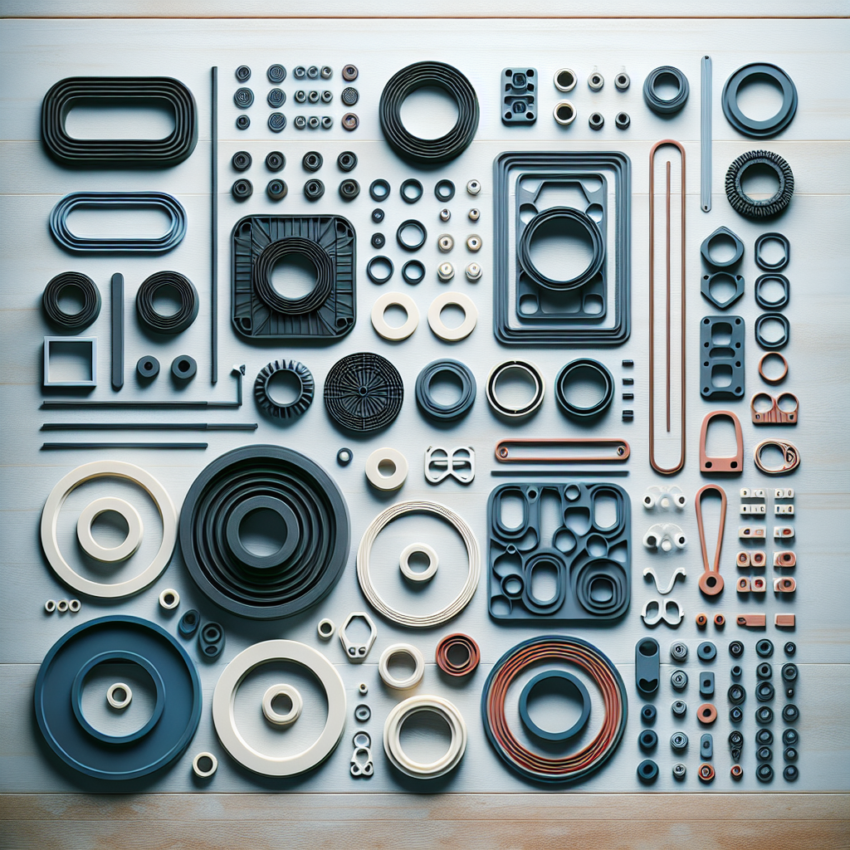
Choosing the right rubber gasket for your projects can be a critical decision that affects the performance and longevity of your applications. Whether you are working on an automotive project, a plumbing repair, or a complex industrial system, understanding the different types of rubber gaskets available and their specific applications will help ensure optimal results.
Understanding Rubber Gasket Types
Rubber gaskets are widely used across various industries to create seals between two surfaces. They prevent leaks, reduce vibration, and provide cushioning. The choice of material and type depends heavily on the application environment and the specific requirements of your project.
Types of Rubber Gaskets
There are several types of rubber gaskets to choose from, each offering unique properties:
- Neoprene Gaskets: These are versatile and often used in refrigeration and external environments due to their weather and water resistance.
- Silicone Gaskets: Known for their heat and cold tolerance, they are ideal for extreme temperatures.
- EPDM Gaskets: Best suited for outdoor applications as they resist UV and ozone.
- Nitrile Gaskets: Commonly used in oil-related applications because of their resistance to petroleum-based fluids.
Factors to Consider When Selecting a Rubber Gasket
When selecting a rubber gasket, consider the following factors to ensure the best fit for your project:
Chemical Compatibility
Ensure the material of the gasket is chemically compatible with the substances it will contact. For example, nitrile rubber gaskets are ideal for oil exposure but may not perform well with strong acids.
Temperature Range
The operating temperature is crucial. Silicone gaskets are suitable for high temperatures whereas neoprene can crack in extreme cold. Evaluate the expected temperature extremes of your application.
Pressure Requirements
The pressure in an application can affect the gasket’s performance. Be sure to choose a gasket that can withstand the pressure levels in your device or machinery.
Environmental Conditions
Consider any environmental elements such as UV exposure, water, or outdoor humidity, which might impact the gasket material’s durability. An EPDM rubber gasket is ideal for UV-exposed surfaces.
Compliance and Standards
Certain industries require compliance with specific standards. Check for any requirements that the gasket material must meet, such as FDA compliance for food-grade applications, or industrial standards in manufacturing.
Installation Tips for Rubber Gaskets
Proper installation of rubber gaskets is essential for their performance. Ensure surfaces are clean and dry before installation to avoid leaks. Avoid over-compressing the gasket, which can lead to squeezing the gasket out of position or breaking the seal.
Regular Maintenance and Inspection
Regular maintenance of rubber gaskets is recommended to prevent premature failure. Check for any signs of wear, cracking, or chemical degradation, and replace them as needed to avoid compromising the seal.
Using Rubber Gaskets in Various Industries
Rubber gaskets find use in numerous industries including automotive, plumbing, and heavy machinery. Understanding the specific needs of each industry will help tailor the gasket selection. For instance, in irrigation systems, the gasket must handle different pressures and temperatures while providing a watertight seal.
Automotive Applications
In automotive applications, rubber gaskets are vital for sealing engine parts and preventing fluid leaks. Their flexibility and strength under pressure make them suitable for various automotive components.
Industrial and Mechanical Settings
In industrial settings, rubber gaskets are used in machinery and equipment to prevent leaks, maintain pressure, and ensure seamless operation. Their resilience and durability make them a staple in manufacturing facilities.
Household and DIY Projects
For household projects, rubber gaskets can be found in plumbing fixtures, kitchen appliances, and more. They provide ease of installation and maintenance while offering a reliable seal.
Conclusion
Choosing the right rubber gasket is critical for ensuring the smooth operation of equipment and systems across various applications. By considering the environment, temperature, pressure, and compatibility, you can select a gasket that best meets your project’s demands. As you evaluate the options available, remember that the right gasket may support enhanced performance and longevity of your project.
For further reading on the broader uses of materials in specific systems, you can refer to resources like Wikipedia for more in-depth information.
- Choose the right material for your specific application needs.
- Consider environmental factors like temperature and chemical exposure.
- Ensure regular maintenance for optimal longevity.
- Check compliance with industry standards where necessary.
- Proper installation prevents failures and ensures effectiveness.
What is a rubber gasket?
A rubber gasket is a mechanical seal used to fill the space between two surfaces to prevent leakage of fluids or gases and to cushion and reduce vibration.
How do rubber gaskets work?
Rubber gaskets create a barrier between surfaces, fitting into grooves or being compressed between surfaces to prevent fluid or gas leaks.
Can rubber gaskets be used in high-temperature environments?
Yes, but the type of rubber used should be suitable for high temperatures, such as silicone gaskets which withstand extreme heat.
What factors affect the lifespan of a rubber gasket?
The lifespan of a rubber gasket depends on factors like chemical exposure, temperature extremes, pressure, and proper maintenance.
Where can I find more information about gasket materials?
For more detailed information about gasket materials and their applications, resources like Wikipedia offer extensive information.