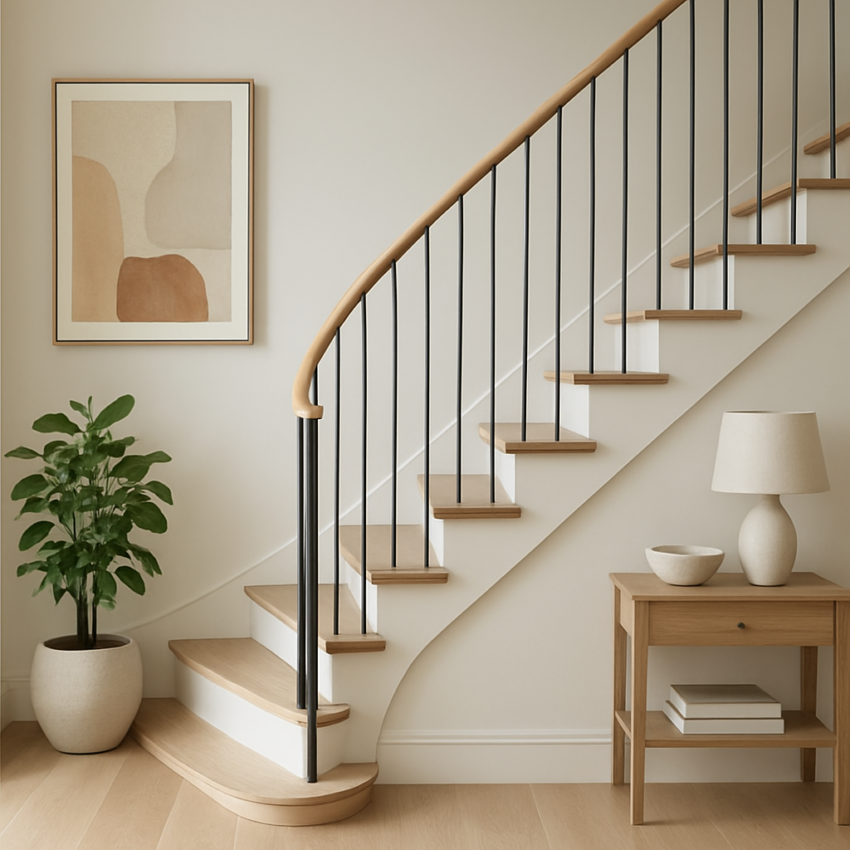
In the world of interior design, the keyword stairs stairs stairs represents one of the most versatile and often overlooked elements of a home or office. Whether you are building from scratch or considering a renovation, the design of your stairway can set the tone for your entire space. Staircases are not only functional but also provide a prime opportunity to showcase your personal style. Let’s explore creative ideas to make your stairs a centerpiece that elevates the aesthetic of any room.
Innovative Designs: Creating an Impact with Stairs Stairs Stairs
The design of stairs can significantly affect the flow and feel of a space. From spiral staircases to floating steps, each design option has its own set of advantages. Spiral stairs, for example, are perfect for small spaces as they utilize vertical space efficiently. On the other hand, floating stairs can create a sense of openness and modernity.
A critical element in stair design is the material choice. Wood is a classic choice that can be modern or traditional, depending on its treatment. Glass railings can add a contemporary feel and allow light to pass through, brightening darker areas. Consider using metal for an industrial vibe or incorporating tiles for texture and color.
Maximizing Space with Multi-functional Stairs
In spaces where square footage is limited, making the most of every inch is crucial. Multi-functional stairs can provide additional storage or even workstation areas. Drawers beneath steps and built-in shelving are excellent ways to use the area effectively. This approach not only maximizes utility but allows you to reduce clutter elsewhere in the home.
Including greenery in stair designs can also enhance the atmosphere. Planters integrated into the staircase design can infuse life and color while also improving indoor air quality. This combination of functionality and aesthetics leads to spaces that are both beautiful and practical.
Stairs Stairs Stairs: Style Through Simplicity
Sometimes, simplicity is the key to creating a stunning stairway. A minimalistic design focuses on clean lines and sleek finishes. It can complement various interior styles, from Scandinavian to ultra-modern. Neutral colors, paired with minimalistic handrails, contribute to an uncluttered look that can make small spaces appear larger.
If you’re looking to make a subtle yet bold statement, consider contrasting materials or colors between the treads and risers. This technique can draw attention without overwhelming the overall decor. Additionally, strategic lighting can enhance safety and add to the stairway’s visual appeal, especially in dimly-lit hallways or entries.
Enhancing Safety and Comfort
While aesthetics are important, safety and comfort are critical aspects of stair design. Ensuring that stair dimensions accommodate foot traffic while meeting building codes is essential. Slip-resistant materials can help prevent falls, and adding a handrail is necessary for user safety.
For homes with children or elderly individuals, implementing design features such as wider steps and closer railing spacing may be beneficial. Homeowners should select materials that require minimal maintenance, ensuring the stairs remain safe and appealing for years.
Personalizing Your Stairs Stairs Stairs for Uniqueness
Adding personal touches to your stairs can make the space truly yours. Whether it’s through a vibrant paint color, decorative tiles, or custom-shaped stair treads, these elements can reflect your personality. Art installations and unique balustrades further personalize the experience of moving from one level to another.
For staircases that serve as a focal point in your home, consider incorporating artwork or cascading design elements alongside the stairwell. These accents can visually connect the stairway to the rest of the interior while serving as conversation starters for guests.
Any renovation project, especially one involving multiple components like resurfacing a concrete driveway or modifying a staircase, requires thoughtful planning and execution.
To learn more about design principles that can elevate your space, visit comprehensive resources like the authoritative perspectives available on Wikipedia.
- Stairs can transform the aesthetic of a space.
- Material choice affects both style and function.
- Incorporate safety and maintenance into design considerations.
- Multi-functional stairs increase utility in small spaces.
- Personalized elements make stairs unique and memorable.
What are the different types of stair designs?
Common designs include spiral, floating, and straight stairs. Each offers unique benefits, such as space-saving or aesthetic impact.
How can I make my stairs safer?
Use slip-resistant materials, ensure proper lighting, and install handrails. Design to meet applicable building codes and consider personal needs.
Are there rules for stair dimensions?
Yes, building codes specify dimensions for safety reasons. Requirements depend on local regulations but generally include tread depth and riser height.
How can lighting enhance my stairway?
Lighting improves safety by making each step visible. It also contributes to ambiance, highlighting design elements of the stairway.
What materials can I use for a modern stairway?
Wood, metal, glass, and tile are popular choices. These materials can be combined to achieve a contemporary design that suits your style.