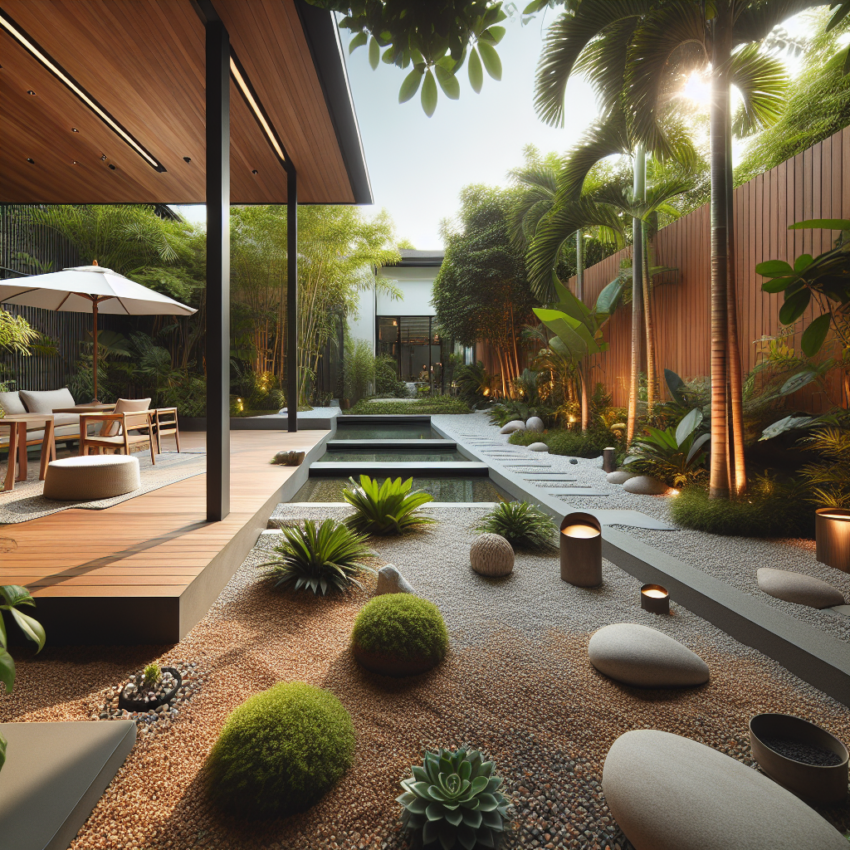
Transforming your outdoor space can be both exciting and overwhelming. If you’re looking for a versatile and aesthetically pleasing solution, consider using pea gravel. This naturally rounded and smooth gravel offers a soft, fluid look and serves multiple functional purposes in landscaping. Whether you’re a seasoned gardener or a homeowner with modest gardening experience, pea gravel can help you achieve a beautiful and functional outdoor environment.
Why Choose Pea Gravel for Your Landscaping Needs?
Pea gravel is a popular choice for landscaping due to its affordability, durability, and ease of maintenance. These small, rounded stones are typically sourced from riverbeds, making them smooth and comfortable underfoot. Available in a variety of colors, pea gravel can seamlessly complement any design aesthetic, providing a natural and inviting feel to your outdoor space.
The use of pea gravel isn’t limited solely to driveways or garden paths. It can be effectively used to create borders, accentuate planters, or even as a base for water features. Its natural drainage capabilities also make it a suitable choice for areas prone to heavy rain, preventing erosion and keeping your outdoor space looking pristine.
Design Ideas Using Pea Gravel
From minimalist gardens to lush outdoor retreats, pea gravel offers enormous versatility in design. Here are some ways you can incorporate pea gravel into your landscape:
- Paths and Walkways: Create aesthetically pleasing paths or walkways that guide visitors through your garden using pea gravel. Its natural look matches any landscaping style, from formal to rustic.
- Patios and Seating Areas: Use pea gravel to define patio spaces. Add outdoor furniture to create a charming and comfortable atmosphere where you can entertain guests or unwind with a book.
- Decorative Borders: Employ pea gravel to form decorative borders around flower beds or trees, showcasing your plantings while keeping weeds at bay.
Installation Tips for Pea Gravel
Installing pea gravel is relatively straightforward, but a few tips can ensure you achieve a polished and long-lasting result:
- Preparation: Clear the area of any debris and level the ground. A layer of landscaping fabric can be laid down to prevent weed growth.
- Edging: Installing a border will help contain the gravel. Metal, wood, or plastic edging can be used to ensure clear boundaries.
- Gravel Depth: A minimum of 2–3 inches of gravel is recommended for most applications, which provides adequate coverage and support.
If interested in learning about potential costs associated with other types of outdoor material updates, you might want to explore concrete resurfacing costs.
Maintaining Your Pea Gravel Landscape
Maintenance is straightforward with pea gravel and primarily consists of periodic raking and replenishing the gravel as needed. This ensures an even surface and prevents low spots from forming. Over time, you may notice some gravel shifting due to foot traffic or weather conditions, but simply raking it back into place usually resolves the issue.
The landscape fabric beneath the gravel will suppress weeds, but a spot treatment with a garden-safe weed killer may sometimes be necessary. Maintaining a thick layer of gravel also helps reduce the chances of unwanted plant growth.
Environmental Benefits of Pea Gravel
Using pea gravel in your landscape comes with environmental advantages. It enhances water permeability, allowing rainwater to return naturally to the groundwater, which can also be beneficial during drought periods. By preventing erosion and soil compaction, it also contributes positively to the overall health of your garden’s ecosystem.
Additionally, because pea gravel is sourced naturally from riverbeds, using it can be an environmentally responsible choice. It requires no chemical processing, making it a more sustainable option compared to some manufactured materials.
For more information about the environmental impact of landscaping materials, you can visit the this informative resource.
Conclusion
As you explore ways to enhance your outdoor space, consider the many benefits of pea gravel. Its aesthetic appeal, functional versatility, and environmental benefits make it a prime choice for both amateur and experienced landscapers alike. By making use of pea gravel, you can enjoy a beautiful and low-maintenance landscape that complements your home’s exterior.
- Pea gravel is cost-effective and versatile for various landscaping designs.
- It offers a natural, smooth, and weather-resistant surface solution.
- Installation is easy, requiring minimal tools and maintenance.
- Environmentally friendly and sustainable as a landscaping material.
- Perfect for pathways, patios, borders, and more.
FAQs
What is pea gravel?
Pea gravel consists of small, rounded stones commonly used in landscaping due to its attractive appearance and versatility.
How is pea gravel different from regular gravel?
Pea gravel is smoother and generally smaller than regular gravel. It’s often sourced from riverbeds, making it more comfortable to walk on and aesthetically pleasing.
Can pea gravel be used in high-traffic areas?
Yes, pea gravel can be used in high-traffic areas, though it may require more frequent maintenance to ensure an even surface.
How do you prevent weeds in pea gravel?
Laying down a landscape fabric before adding pea gravel can help prevent weed growth. Regular maintenance and spot treatments may also be necessary.
Is pea gravel an environmentally friendly option?
Yes, pea gravel is considered environmentally friendly due to its natural sourcing and effective water drainage properties.