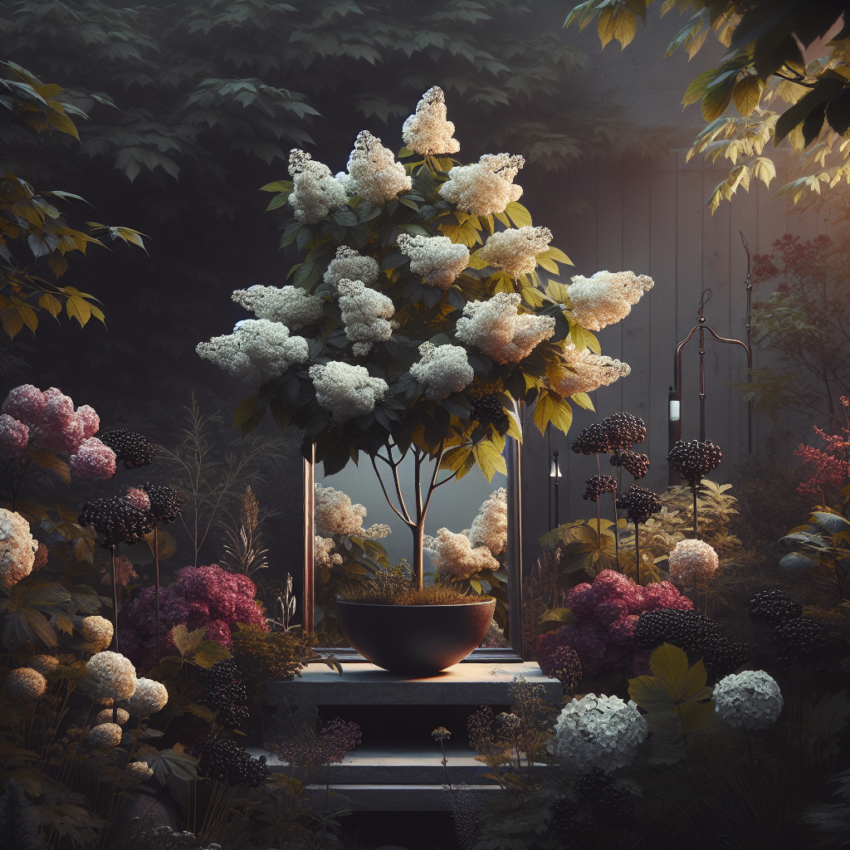
The viburnum is more than just a garden staple; it’s a versatile addition that can elevate the aesthetics of any outdoor space. Known for its lush blooms and adaptable nature, viburnum is a gem in the world of horticulture. Whether you’re a seasoned gardener or a beginner, incorporating viburnum into your garden can bring both beauty and practicality. Let’s delve into the myriad benefits and features that make viburnums an exceptional choice for enhancing your garden.
Understanding Viburnum: An Overview
Viburnum comprises a large genus of shrubs with over 150 species, each offering unique attributes. These plants are cherished for their stunning flowers, attractive foliage, and berry-producing capabilities. Viburnums are predominantly deciduous, but there are evergreen varieties as well, catering to various landscaping needs. With their ability to thrive in diverse climates and soil types, viburnum viburnum stands out as a resilient yet elegant garden choice.
Why Choose Viburnum for Your Garden?
The choice to cultivate viburnum goes beyond its visual appeal. Viewed as robust, these shrubs contribute to ecological balance by attracting pollinators like bees and butterflies. In autumn, certain viburnums produce berries that serve as a food source for birds, adding a layer of ecological benefit. By incorporating viburnum into your landscape, you’re not only enhancing your garden’s beauty but also fostering a healthy ecosystem.
Diverse Varieties for Diverse Needs
Viburnum offers a range of varieties that cater to different gardening needs, from hedges to standalone specimens. Some popular species include:
- Viburnum opulus – Also known as the Guelder Rose, this variety is loved for its showy white blooms that resemble snowballs.
- Viburnum plicatum – Known as the Japanese Viburnum, its tiered branches and large flower clusters make it a favorite.
- Viburnum carlesii – Referred to as the Koreanspice Viburnum, it is prized for its intensely fragrant flowers.
Easy-to-Maintain Beauty
One of the most appealing aspects of viburnums is their low maintenance requirements. These shrubs thrive in well-draining soil with moderate watering and can tolerate partial to full sun. Pruning is generally required only to shape the plant or remove dead wood. For those seeking a garden that provides beauty without demanding extensive care, viburnums are an ideal option.
Enhancing Your Garden Design with Viburnum
Integrating viburnum into garden designs can add texture, color, and structure. Their versatility allows them to fit seamlessly into various garden styles, from formal to rustic. Viburnums can be used as foundation plantings, hedges, or focal points in a mixed border. Their adaptability ensures they complement other garden elements, creating a cohesive and appealing landscape.
Companion Planting: A Harmonious Relationship
Pairing viburnum with compatible plants can enhance the overall aesthetic and health of your garden. Consider combining viburnums with plants like hydrangeas or azaleas, which have similar care requirements and bloom timings. This synergy not only bolsters visual appeal but also promotes a healthy garden environment.
For more gardening tips and natural garden inspirations, you can learn about natural remedies and supplements.
Viburnum: A Resourceful Garden Ally
Beyond aesthetics, viburnums can serve several functional roles in your garden. As privacy screens, they can shield your garden from view, while their dense growth provides wind protection. A viburnum hedge can also set boundaries or create cozy garden rooms when used strategically. Their multifunctionality makes them an indispensable ally in effective garden design.
Conclusion: Embrace the Versatile Viburnum
The versatile nature of viburnum makes it a worthy addition to any garden. Its aesthetic versatility, ecological benefits, and ease of maintenance underscore its popularity among gardeners. Whether you’re looking to create a serene space or a vibrant landscape, viburnum can help you achieve your gardening goals.
- Viburnum is a multifunctional plant that enhances garden beauty.
- It offers ecological benefits by attracting pollinators and providing bird food.
- The plant’s low maintenance and adaptability make it a gardener’s favorite.
- Viburnums complement various garden styles, from formal to rustic.
- They can be used creatively as privacy screens and wind breaks.
Frequently Asked Questions
What are the main benefits of planting viburnum in my garden?
Viburnum provides aesthetic appeal with its gorgeous blooms, serves ecological functions by attracting wildlife, and requires minimal maintenance, making it a valuable addition to any garden space.
How should I care for my viburnum plants?
Viburnums thrive best in well-draining soil with moderate watering. They prefer partial to full sun and require only occasional pruning to maintain their shape and remove dead wood.
Can viburnum be used in both formal and informal garden designs?
Absolutely. Viburnum’s versatility allows it to fit seamlessly into both formal and informal garden settings. Its structural beauty and variety of colors make it a valuable component in diverse landscape designs.
Is viburnum beneficial for local wildlife?
Yes, viburnums attract pollinators like bees and butterflies with their blooms and provide food for birds through their berries in the fall, making them an ecologically beneficial plant.
Where can I learn more about viburnum and other garden plants?
For comprehensive information about viburnums, you might find the Wikipedia entry on Viburnum useful as a starting point for further learning.