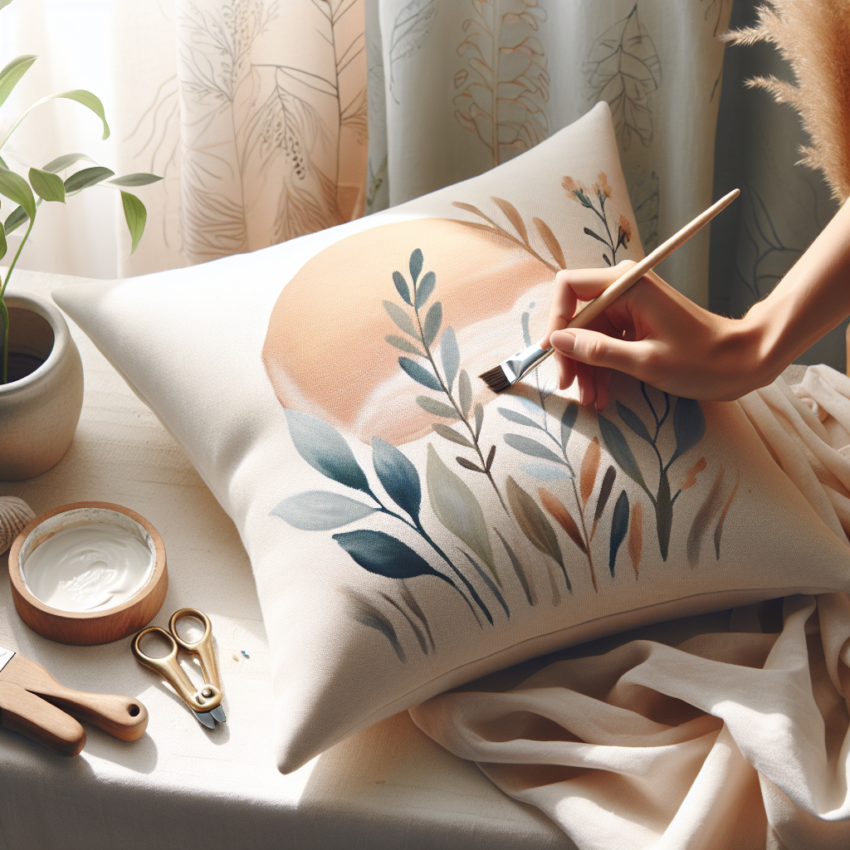
Transforming your home’s decor with fabric to paint techniques can add a rich, personalized touch to any room. This increasingly popular method allows you to use your creativity to breathe new life into furniture, drapes, and even wall hangings. Whether you are an experienced DIY enthusiast or a curious beginner, fabric painting offers endless possibilities to elevate your interior design.
Choosing the Right Fabric to Paint
Selecting the ideal fabric is crucial for a successful project. Natural fabrics such as cotton, linen, and silk tend to absorb paint well and deliver vibrant colors. Synthetic fabrics might require additional preparation to ensure that the paint adheres properly. However, the right type of paint can make all the difference, so it’s essential to choose fabric paint designed to be flexible and long-lasting.
Types of Paint Suitable for Fabric
Not all paints are created equal when it comes to fabric. Acrylic paints mixed with textile medium are a popular choice due to their durability and wide range of available colors. Fabric paints are specifically formulated to be washable and flexible, retaining their color after multiple washes. Consider consulting resources like Wikipedia’s fabric painting page for more detailed insights into types of fabric paints and their applications.
Preparing Your Fabric
Proper preparation is the key to any successful painting project. Begin by washing and ironing your fabric to remove any chemicals or finishes. Lay the fabric flat on a protected surface, such as a drop cloth, to prevent unwanted stains. If you’re painting a large piece, consider applying a base coat to ensure a smooth, even finish.
Advanced Techniques to Explore
Once you’ve mastered the basics, you might be interested in exploring more advanced techniques. Stenciling, for example, is an excellent way to create intricate patterns without the need for freehand painting skills. Resist techniques, such as batik or tie-dye, can add depth and texture to your project. Each method offers unique benefits, allowing you to fully customize your creations.
Essential Tips for Painting Fabric to Paint Projects
When embarking on a fabric painting project, certain tips can help ensure your success. Always use high-quality brushes or tools to achieve clean lines and detailed work. It’s also helpful to practice your designs on scrap fabric before committing to your final project. Lastly, remember to seal your work if necessary to protect it from wear and fading.
Inspiration from Innovative Trends
If you’re looking for inspiration, exploring current trends could spark your next idea. Consider incorporating elements from global cultures or nature-inspired motifs to create a unique aesthetic. Projects like transforming a vintage map into a decorative piece present timeless appeal, as discussed in our article on decorating with vintage maps.
Conclusion: A Personalized Touch
Fabric to paint projects empower you to leave a personal touch on your home décor. This creative endeavor can rejuvenate any space and reflect your unique style and personality. With a bit of practice, you’ll be able to enhance your living area, turning ordinary fabrics into extraordinary art pieces.
- Select natural fabrics for best paint absorption.
- Use acrylic or fabric-specific paints for durability.
- Prepare your fabric carefully before starting.
- Explore techniques like stenciling and batik.
- Practice on scraps to perfect your skills.
FAQs
Can I paint on synthetic fabrics?
Yes, but synthetic fabrics may require additional preparation and the use of specific paints designed to adhere to non-natural fibers.
Is painted fabric washable?
When using high-quality fabric paint and following proper preparation and sealing steps, painted fabric can often be machine washed without damage.
Do I need to seal my painted fabric?
Sealing depends on the type of paint used. Some fabric paints might not require sealing, but it can add an extra layer of protection for durability.
How can I ensure a smooth finish?
Ensure your fabric is wrinkle-free and use a base coat for an even surface. Practice on scrap fabric to improve your technique.
Where can I find design inspiration?
Consider current design trends, cultural motifs, and nature for inspiration. Exploring different sources can help generate unique ideas for your projects.