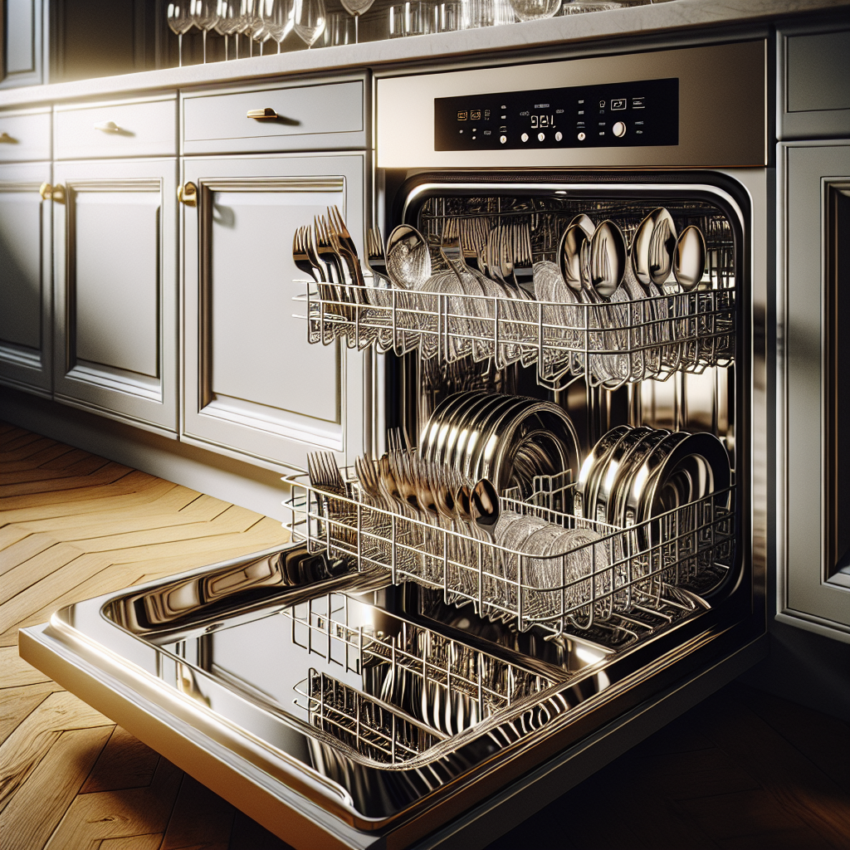
Keeping your dishwasher sparkling clean is crucial to ensuring that it operates efficiently and helps provide spotless dishes with each use. Understanding how to clean dishwasher parts properly can make a significant difference in its longevity and performance. Luckily, maintaining a hygienic and efficient dishwasher doesn’t have to be complicated. In this guide, we’ll cover all the essential steps you need to achieve a pristine appliance.
How to Clean Dishwasher: A Step-by-Step Guide
To keep your dishwasher in top shape, follow these comprehensive cleaning steps. Not only will these methods ensure optimal performance, but they will also help you in prolonging the life of your appliance.
1. Gather Your Supplies
Before starting, gather the necessary supplies: white vinegar, baking soda, a clean cloth or sponge, a small brush, and warm water. Some optional tools include a soft toothbrush for scrubbing corners and a toothpick for unclogging spray holes.
2. Clean the Exterior
Begin by wiping down the exterior of the dishwasher with a damp cloth to remove any smudges or grime. For stainless steel models, consider using a specialized cleaner to maintain its shine and prevent streaks.
3. Remove and Clean the Racks
Remove the dishwasher racks and utensil holders. Wash them in warm, soapy water and scrub away any food particles or residue that may have accumulated. Regular cleaning of these components helps in maintaining a hygienic environment inside the dishwasher.
4. Inspect and Clean the Drain
The drain is prone to becoming clogged with food debris, which can affect water drainage and cleaning efficiency. Remove any visible debris from the drain located at the bottom of your dishwasher using a small brush or a damp cloth.
5. Clean the Spray Arms
The spray arms play a vital role in distributing water across your dishes. Over time, these can become clogged with mineral deposits or food particles. Remove the arms if possible and clean them using a mixture of warm water and vinegar. Use a toothpick to clear any clogged spray holes.
6. Run a Vinegar Cycle
Place a cup of white vinegar in a dishwasher-safe container on the top rack of the dishwasher. Run a hot water cycle to help in removing grease, grime, and odors. The acidic nature of vinegar effectively breaks down mineral deposits and can leave your dishwasher sparkling clean.
7. Add a Baking Soda Rinse
After the vinegar cycle, sprinkle a cup of baking soda across the bottom of the dishwasher. Run a short cycle with hot water. Baking soda helps in eliminating any remaining stains and neutralizes any unpleasant odors.
8. Clean the Seals and Gaskets
Don’t forget to clean the rubber seals and gaskets around the door of your dishwasher, as these can accumulate mold and mildew. Use a damp cloth and a mild detergent to wipe down these areas thoroughly.
For more household cleaning tips and tricks, check out our detailed article on the surprising benefits of peptides, which can also offer insights into efficient maintenance strategies.
Maintaining Your Dishwasher
Besides regular cleaning, proper maintenance can extend the life of your dishwasher. Regularly check hoses for any leaks or cracks, ensure the door seals tightly when closed, and avoid overloading the appliance. Consider scheduling a professional service check annually to address any mechanical issues that may arise.
For additional resources on appliance maintenance, visit this informative external link with more helpful insights.
- Regular cleaning ensures optimal performance and longevity for your dishwasher.
- Using household items like vinegar and baking soda can effectively clean and deodorize your appliance.
- Regular maintenance extends the life of your dishwasher and prevents breakdowns.
- Consult the manual for model-specific cleaning and maintenance tips.
- Consider professional service for annual check-ups.
FAQ
How often should I clean my dishwasher?
It is recommended to clean your dishwasher every month to maintain its efficiency and prevent odors.
Can I use any type of vinegar to clean my dishwasher?
White vinegar is generally the most effective for cleaning due to its strong acidity, which helps in breaking down mineral deposits.
Why is my dishwasher not drying dishes properly?
This could be due to clogged dishwasher spray arms or malfunctioning heating elements. Regular cleaning and maintenance can address these issues.
Can baking soda damage the dishwasher?
No, baking soda is a gentle abrasive that cleans and deodorizes without causing harm to the appliance.
Should I use vinegar and baking soda together in one cycle?
It’s best to use them separately. Use vinegar for one cycle and baking soda for a separate cycle to maximize cleaning efficiency.
Following these methods, you now know how to clean dishwasher efficiently to enhance its performance and longevity. Always remember to refer to your dishwasher’s manual for any specific cleaning instructions tailored to your model.