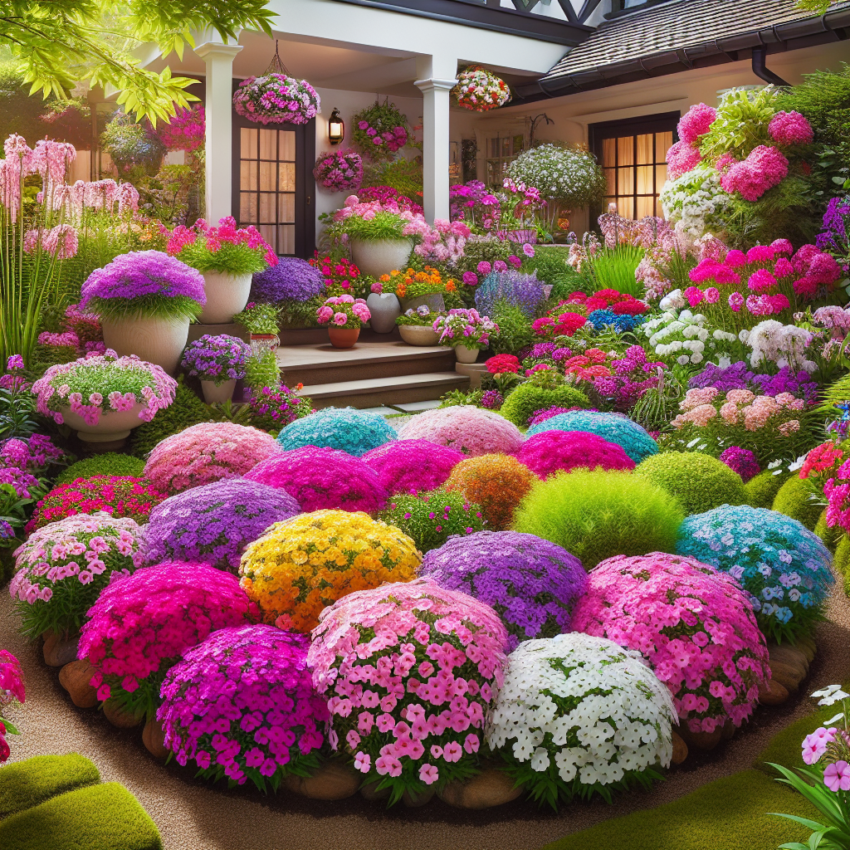
If you’re looking to add a splash of color and texture to your garden, look no further than the vibrant and resilient creeping phlox. This beautiful perennial plant is known for its stunning carpet of blossoms that can enhance any landscape. Whether you’re an experienced gardener or just getting started, creeping phlox offers a versatile and eye-catching addition to your outdoor spaces.
The Beauty and Versatility of Creeping Phlox
Creeping phlox, with its lush mats of flowers, can transform even the plainest garden into a visual delight. The plant is admired for its ability to spread across the ground, forming a colorful blanket that covers unsightly areas and provides a breath of fresh life to your garden. Available in a variety of colors including pink, purple, white, and blue, creeping phlox adds diversity and beauty to your landscape design.
This low-growing perennial is ideal for use in rock gardens, on slopes, or even in garden borders. It thrives best in well-drained soil and sunny locations but can adapt to partial shade, making it a perfect choice for various garden environments. Creeping phlox also attracts beneficial pollinators like bees and butterflies, contributing to a vibrant and healthy ecosystem.
Planting and Caring for Creeping Phlox
Establishing creeping phlox in your garden is a straightforward process. Begin by selecting an appropriate location that receives ample sunlight or partial shade. Prepare the soil by ensuring it is well-drained and enriched with organic matter.
When planting, space the plants about 10 to 15 inches apart to allow ample room for growth and spread. Water the plants thoroughly after planting and continue to water regularly, especially during dry spells, until the plants are established. An efficient watering system can be beneficial; consider exploring options like a guide to irrigation installation for maintaining optimal moisture levels.
Pruning is not typically necessary but can be performed in late spring to promote bushier growth. Fertilization in early spring can enhance flower production, and mulching will help retain soil moisture and suppress weed growth.
Common Issues and How to Solve Them
Creeping phlox is generally a hardy plant with few issues, but like all garden plants, it can encounter problems. Powdery mildew is one such issue, resulting from high humidity and poor air circulation. To address this, ensure your plants have adequate spacing and prune away any dead or overcrowded growth.
Pests such as spider mites and aphids could occasionally make an appearance. Utilize insecticidal soap or neem oil to manage these pests effectively. Regular garden maintenance and observation are key in preventing and managing any potential problems.
Enhancing Your Garden’s Aesthetic
There are numerous creative ways to incorporate creeping phlox into your garden design. Try using it as a ground cover beneath taller plants or trees to create a multi-layered, colorful display. The plant also pairs beautifully with other perennials such as daylilies and lavender, providing a contrasting texture and hue.
For those looking to add dimension, consider planting creeping phlox in containers that can be arranged on patios or walkways. This approach not only maximizes space but also allows for easy rearrangement of plants based on seasonal color schemes. The vibrant blooms will brighten any area they inhabit, providing an ever-changing showcase throughout the spring and early summer.
Expand Your Gardening Horizons
Creeping phlox is not only an attractive addition to your garden but also a practical one due to its low maintenance requirements and hardiness. As you explore different planting combinations and design ideas, you’ll find that creeping phlox can serve as both a key feature and an understated backdrop. For more information on sustainable gardening practices, you can refer to this comprehensive resource on garden health.
In conclusion, whether you desire to beautify a specific area or provide ground cover across your landscape, creeping phlox is a worthwhile investment. Its vibrant colors and robust nature make it a delightful and rewarding plant for gardeners of all skill levels.
- Creeping phlox offers vibrant, colorful ground cover.
- Ideal for sunny locations but adaptable to partial shade.
- Effective for attracting pollinators like bees and butterflies.
- Low maintenance and hardy against most garden pests.
- Versatile in garden and container planting.
What are the best conditions for growing creeping phlox?
Creeping phlox thrives in well-drained soil and sunny locations but can also grow in partial shade. It prefers moderate watering and benefits from fertilization in early spring.
Can I grow creeping phlox in containers?
Yes, creeping phlox is suitable for container planting, allowing flexibility in garden design and seasonal arrangement. Ensure containers have good drainage and are situated in sunny areas.
How do I prevent disease in creeping phlox?
To mitigate diseases such as powdery mildew, provide adequate air circulation by planting with sufficient spacing and removing overcrowded growth. Monitor for pests and use organic sprays if necessary.
When is the best time to plant creeping phlox?
The ideal time to plant creeping phlox is in spring or early fall when temperatures are cooler, allowing plants to establish roots before extreme summer heat or winter cold.
What are some companion plants for creeping phlox?
Creeping phlox pairs well with other perennials such as daylilies, lavender, and ornamental grasses, providing a mix of textures and colors in the garden.