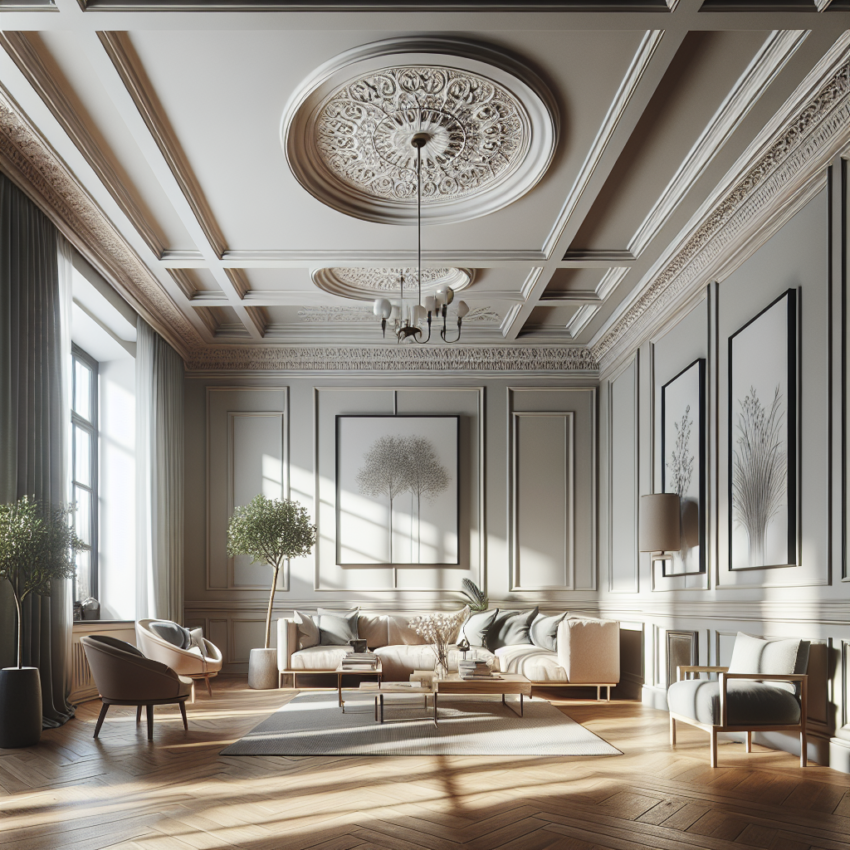
Transforming your space with stunning crown molding can elevate any room, adding elegance and a touch of sophistication. Whether you’re enhancing a classic living room or updating a modern workspace, crown molding brings architectural interest to your ceilings and walls, making them striking focal points. Discover the various styles and applications of crown molding to suit your personal style and achieve a polished, decorative finish in your home.
Exploring the Versatility of Crown Molding
Crown molding is not just for traditional homes; it can be adapted to fit any aesthetic. From sleek contemporary looks to ornate classic designs, there’s a style for every taste. Crown molding serves as a graceful transition between walls and ceilings, and it can be customized to match your room’s decor.
Enhancing interiors with crown molding can beautifully complement other decorative elements in your space, such as vintage maps, artwork, or statement lighting. This combination creates a cohesive design theme that feels both stylish and harmonious.
Elegant and Timeless Ceiling Crown Molding
Ceiling crown molding can change the dynamics of a room, adding depth and character. It’s especially effective in rooms with high ceilings, allowing you to draw the eye upward and emphasize the spaciousness of the area. For a modern touch, consider using clean lines and minimalist designs in neutral colors.
Traditional ceiling crown molding often features intricate patterns and details, suiting spaces with more opulent decor. However, contemporary designs favor simplicity and boldness, using striking contrasts to highlight architectural features. The versatility of ceiling crown molding ensures it blends well with various interior styles.
Maximizing Space with Low-Profile Molding
For smaller rooms or spaces with low ceilings, opt for low-profile crown molding. This type of molding offers all the aesthetic benefits without overwhelming the space. It adds elegance without compromising on the room’s dimensions, making it ideal for apartments or cozy family rooms.
Low-profile crown molding works effectively in modern settings where less is more, providing a subtle yet significant enhancement to your decor. By framing the top edge of your walls with these delicate designs, you create a seamless and polished look that can elevate your space effortlessly.
Crown Molding for Ceiling Transitions and More
Beyond its decorative appeal, crown molding for ceiling transitions can hide imperfections at the juncture of the wall and ceiling. Its functional nature allows it to cover gaps, aligning surfaces for a smoother finish. This feature is particularly beneficial in older homes where perfect alignment may be a challenge.
Furthermore, crown molding can serve as a platform for additional lighting or other architectural features, blending form and function beautifully. This duality makes crown molding a practical choice for enhancing interiors, going beyond mere aesthetics to provide practical solutions.
Choosing the Right Material and Style
When selecting crown molding, consider the material carefully. Options range from wood and plaster to more affordable alternatives like MDF or polyurethane, each offering its unique benefits. Wood provides warmth and character, ideal for traditional settings, while plaster offers durability suitable for high-traffic areas.
For budget-conscious projects, MDF and polyurethane offer easy installation and maintenance, making them a great choice for DIY enthusiasts. These materials are lightweight and can mimic the appearance of more expensive options, providing a cost-effective way to enhance your decor.
Ultimately, the choice of material and style depends on the look and feel you wish to achieve. Consider the existing decor of your home, the available budget, and the specific areas you intend to enhance when making your selection.
Explore more about crown molding to find inspiration for your next home improvement project. The possibilities are endless, allowing you to bring your creative vision to life and add that perfect finishing touch to your interiors.
- Crown molding can transform any room, offering sophistication and elegance.
- Ceiling crown molding enhances both traditional and contemporary spaces.
- Low-profile options work best for small rooms and low ceilings.
- Various materials offer alternatives to suit your budget and style.
- Installation can be a DIY project with the right preparation and tools.
What is the purpose of crown molding?
Crown molding serves as a decorative element that enhances the transition between walls and ceilings. It adds elegance, conceals imperfections, and can enhance your interior design.
Can crown molding be used in modern homes?
Yes, crown molding can be adapted to fit modern aesthetics using minimalistic designs or bold contrasts, enhancing the architectural features of contemporary spaces.
What materials are best for crown molding?
The best material depends on your needs, budget, and style preferences. Options include wood for a classic look, MDF for affordability, and plaster for durability.
How difficult is it to install crown molding?
While installation can be challenging, especially for intricate designs, many find it manageable as a DIY project with proper tools and guidance.
Where can I find inspiration for crown molding designs?
Consider looking at home decor websites, magazines, or online resources such as decorating blogs and Pinterest for inspiration on crown molding designs.