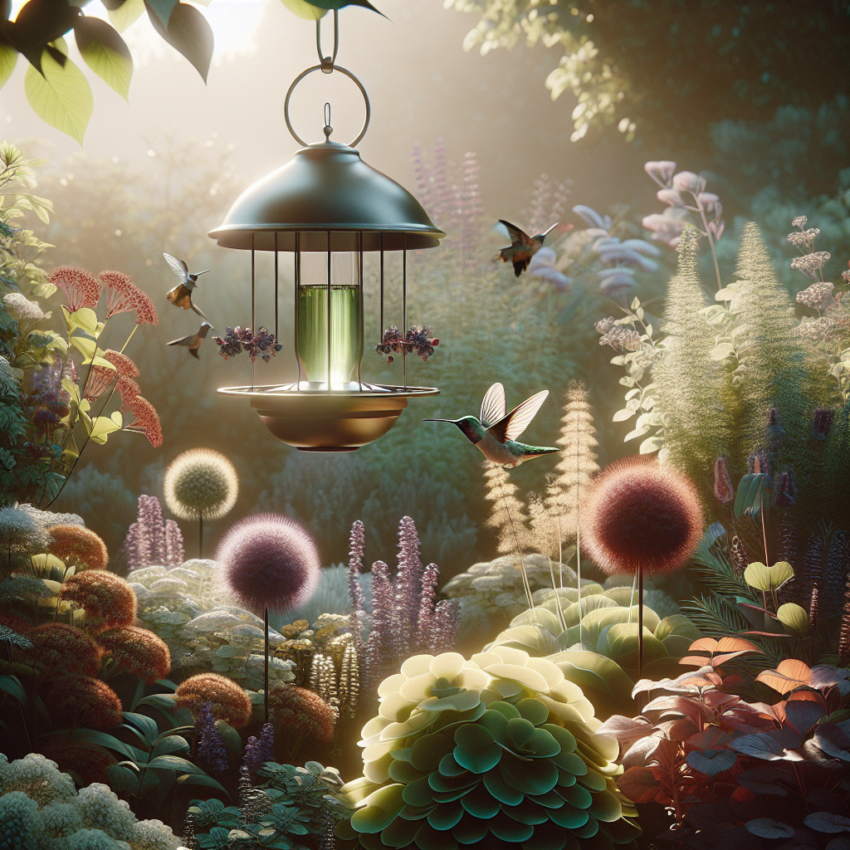
If you’re looking to attract the vibrant presence of hummingbirds to your garden, choosing the right birds hummingbird feeder is essential. These feeders provide a consistent source of food, helping you to enjoy these lively, colorful creatures as they flit about your outdoor space. Whether you’re a seasoned bird enthusiast or a novice, understanding what makes a feeder appealing to hummingbirds can make all the difference.
How to Choose the Best Birds Hummingbird Feeder
There are several factors to consider when selecting the best birds hummingbird feeder. The size, style, and color of the feeder all play crucial roles. Hummingbirds are attracted to bright colors, particularly red, as it signifies food sources in nature.
- Size and Capacity: Depending on the number of hummingbirds you wish to attract, choose a feeder with an appropriate nectar capacity. Larger feeders are suitable for hosting numerous birds, while smaller feeders require more frequent refills but maintain freshness.
- Material: Birds hummingbird feeders are commonly made from glass or plastic. Glass is more durable and offers better resistance to mold, but plastic is lightweight and often more affordable.
- Design and Features: Look for feeders with built-in ant moats or bee guards to prevent pests.
Styles of Hummingbird Feeders
There are several styles available, each with its own advantages. The two main types are saucer feeders and vacuum or bottle feeders.
- Saucer Feeders: These lay flat and allow birds easy access to the nectar. They tend to be spill-proof and are easy to clean.
- Bottle Feeders: Featuring an inverted design, these feed nectar through a small tube. They often need hangers for support and require cleaning to prevent mold.
Placing Your Birds Hummingbird Feeder
The location of your feeder is just as important as the feeder itself. Place it near flowers or gardens that already attract hummingbirds for the best results. Ensure it is in a shady area to prevent the nectar from spoiling quickly and within view so you can enjoy watching the hummingbirds.
Maintaining Your Hummingbird Feeder
Proper maintenance is essential to keeping your hummingbird feeder festive and attractive. Regular cleaning helps prevent the build-up of mold and bacteria, ensuring the feeder remains safe for the birds.
- Clean your feeder every 3-4 days in hot weather to prevent fermentation of the sugar solution.
- Use a mixture of vinegar and water to clean the feeder, avoiding any harsh chemicals.
Homemade Nectar Recipe
While commercial nectar is available, you can easily make your own. Mix one part sugar to four parts water, bringing it to a boil to dissolve the sugar completely. Never use honey, artificial sweeteners, or food coloring, as these can be harmful to hummingbirds.
The Benefits of Watching Hummingbirds
Aside from their beauty, spending time watching hummingbirds can be beneficial for mental health, much like appreciating nature in general is known to help reduce stress. The sight of these energetic birds can offer a momentary escape and a sense of peace.
For additional tips on creating a peaceful and inviting outdoor space, visit our guide on natural remedies and supplements for menopause brain fog.
For more about the benefits of connecting with nature, see this article on Health.
- Choose bright colors like red to attract hummingbirds.
- Consider feeder design and size based on your bird population.
- Regular cleaning is crucial to maintaining a healthy feeder.
- Place feeders in shaded, visible locations.
- Homemade nectar is safe and easy to prepare.
Final Thoughts on Birds Hummingbird Feeder
Choosing the right birds hummingbird feeder and properly maintaining it can greatly enhance your garden’s appeal and enjoyability. These feeders offer a valuable food source for hummingbirds, allowing you to observe their fascinating behavior up close. Embrace the beauty and joy these small birds bring by providing them with the perfect feeder.
FAQ
What type of feeder is best for attracting hummingbirds?
Saucer feeders are often preferred as they are easy to clean, less likely to spill and offer easy access to nectar for the birds.
How often should I change the nectar in my hummingbird feeder?
In warmer weather, change the nectar every 3-4 days to prevent fermentation. In cooler weather, it can last up to a week.
Is store-bought or homemade nectar better?
Homemade nectar is simple to make and safe for hummingbirds. Just mix one part sugar with four parts water. Store-bought nectar is convenient but usually unnecessary.
Will using red dye in nectar help attract hummingbirds?
No, it’s not necessary and can be harmful. The red color on feeders is usually sufficient to attract hummingbirds without the need for added dyes.
Can I place my feeder near a window?
Yes, but ensure it is positioned to minimize the risk of window collisions. A screen or decals can help hummingbirds see the glass.