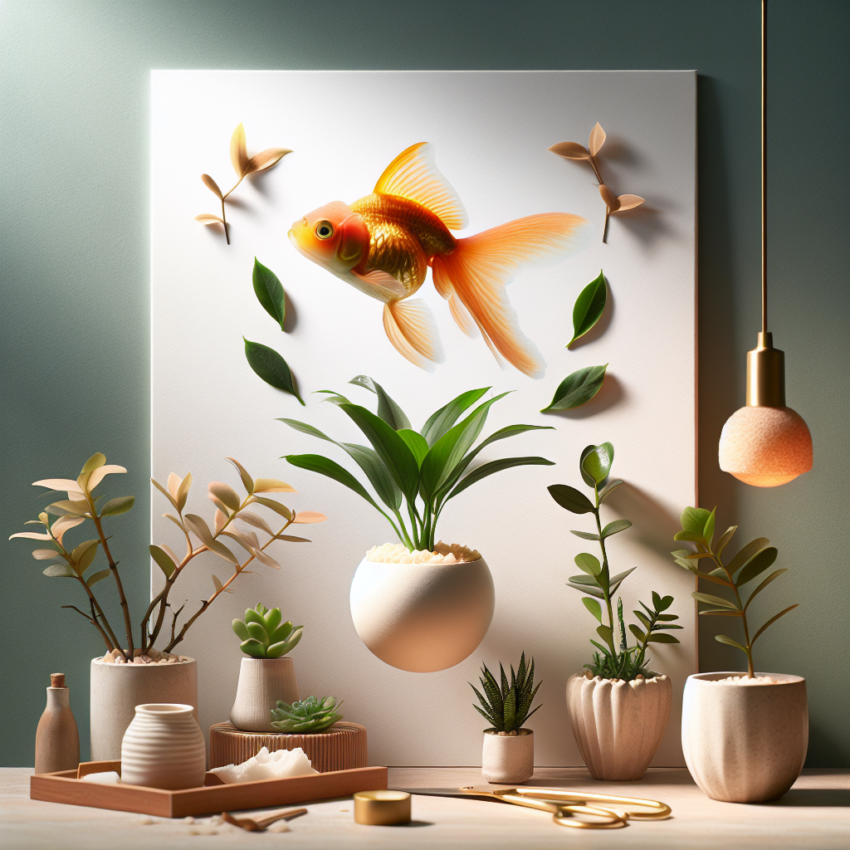
Are you looking to add an exquisite touch to your home decor with a vibrant and unique indoor plant? The goldfish plant, known for its captivating beauty and ease of care, might be the perfect choice. Named for its blooms that resemble tiny goldfish, this plant not only enhances the aesthetic appeal of your living space but also brings a sense of tranquility and natural charm.
Caring for Your Goldfish Plant
The goldfish plant is a stunning addition to any home, known for its bright, tubular flowers that mimic the shape and color of goldfish. To ensure it thrives, it’s important to understand its care requirements. With proper attention, your goldfish plant will flourish and become a delightful centerpiece in your indoor garden.
Ideal Growing Conditions
Goldfish plants thrive in bright, indirect sunlight. Direct sunlight can be too harsh and may scorch the leaves. It’s best to place them near an east or west-facing window. The plant prefers moderate temperatures, ideally between 65-75°F, and a humidity level that mimics its native tropical environment.
Watering and Feeding
Overwatering is a common mistake that can harm your goldfish plant. Allow the top inch of soil to dry out between waterings. Use a well-draining potting mix and ensure your pot has adequate drainage to prevent root rot. Fertilizing every 2-4 weeks during the growing season can support healthy growth and vibrant blooms.
Pruning and Maintenance
Regular pruning helps to keep the goldfish plant bushy and compact. Trim off any dead or wilted blooms to encourage new growth. You can also pinch the stems back to promote branching and more flower production. This not only keeps the plant healthy but also maintains its aesthetic appeal.
Benefits of Having a Goldfish Plant
Besides its visual appeal, the goldfish plant can improve indoor air quality by filtering pollutants, providing a cleaner and healthier environment. It also brings mental health benefits; tending to plants can reduce stress and evoke a sense of accomplishment and well-being.
Decorative Versatility
The goldfish plant’s unique flowering and trailing growth habit make it versatile in home decor. It can be hung in baskets, placed on shelves for a cascading effect, or even used in more structured arrangements. Its lively presence can complement various interior styles, from modern to bohemian.
Encouraging Creativity and Wellness
Incorporating plants into your living space can boost creativity and focus. The act of nurturing a plant like the goldfish plant encourages mindfulness and patience, contributing to a holistic sense of well-being. For more on enhancing wellness, you can explore articles on giving your pet the best life possible.
Troubleshooting Common Goldfish Plant Problems
Even with the best care, you may encounter issues such as wilting or yellowing leaves. Addressing these problems promptly can restore your plant’s health. Here are some common challenges and their solutions:
Leaf Drop
Leaf drop in goldfish plants can be a result of incorrect watering or environmental stress. If leaves are dropping, check the moisture level of the soil and adjust watering habits accordingly. Ensuring consistent humidity and temperature can also prevent stress to the plant.
Non-Flowering
If your goldfish plant isn’t blooming, it might not be receiving enough light. Moving it to a slightly sunnier spot or using a grow light can help encourage flowering. Check the fertilization schedule as well, as regular feeding supports flower production.
Pests and Diseases
Goldfish plants can occasionally attract pests such as aphids or spider mites. Regularly inspect the foliage and use insecticidal soap if necessary. Keeping the plant clean and healthy will reduce the likelihood of infestations.
The goldfish plant, with its cheerful blooms and sculptural foliage, can transform any home into a serene oasis. By understanding its care needs and the benefits it offers, you can enjoy the numerous rewards this delightful plant brings. Embrace the journey of plant care and let your green space flourish.
Takeaways
- The goldfish plant thrives in bright, indirect sunlight.
- Regular watering and fertilization encourage growth and flowering.
- Pruning maintains plant health and enhances its appearance.
- Goldfish plants can improve indoor air quality and boost mental wellness.
- Address common problems by adjusting care practices.
FAQ
How often should I water my goldfish plant?
Water your goldfish plant when the top inch of soil feels dry. It’s important to avoid waterlogging, which can lead to root rot.
Can I place my goldfish plant in direct sunlight?
No, direct sunlight can scorch the leaves. Instead, aim for a bright spot with indirect sunlight to keep your plant healthy.
Why are the leaves on my goldfish plant turning yellow?
Yellowing leaves can be a sign of overwatering or insufficient light. Adjust your care routine to ensure the plant is not sitting in water and receives adequate light.
What type of potting soil is best for goldfish plants?
A well-draining potting mix is ideal to prevent water retention and root issues. Adding perlite or sand can improve drainage.
Is the goldfish plant safe for pets?
While the goldfish plant is not known to be toxic, it’s always best to keep plants out of reach of pets to prevent accidental ingestion.
For a deeper understanding of plant and pet care, refer to external resources like Wikipedia’s article on houseplants.