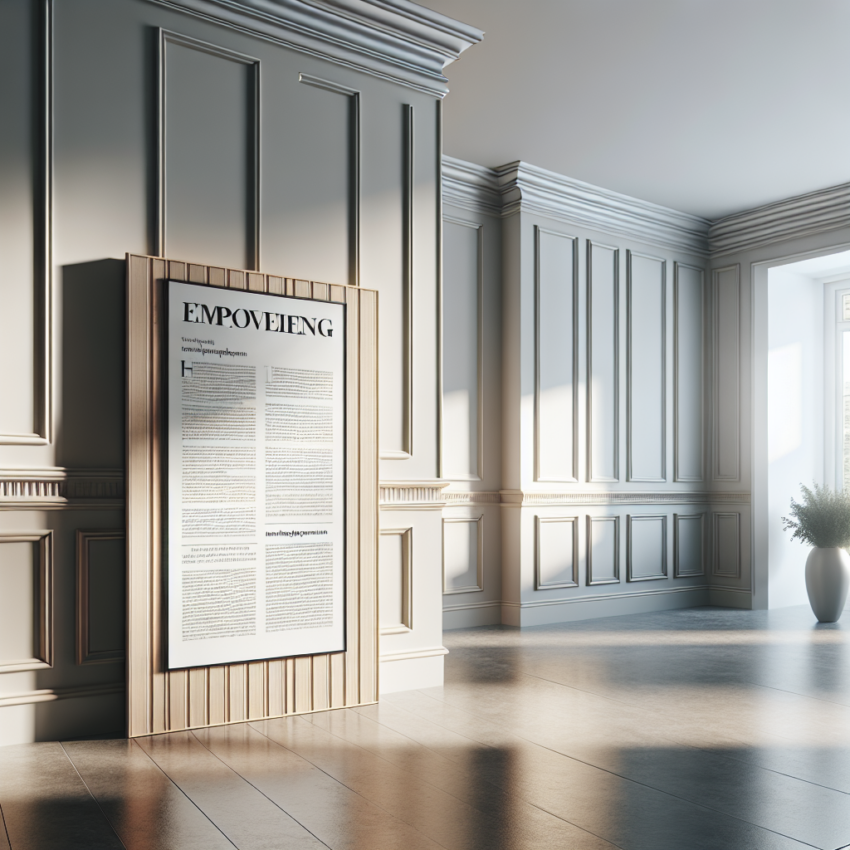
Revamping the look of your home with wainscoting panels is a timeless way to add elegance and style. These panels not only provide a visual interest but also offer practical benefits like protection for your walls and an added layer of insulation. Whether you prefer a modern or classic aesthetic, wainscoting can be tailored to complement your decor, making it a versatile choice for any room.
The Benefits of Installing Wainscoting Panels
Wainscoting panels are experiencing a resurgence in popularity due to their versatility and aesthetic appeal. Originally used for practical purposes—to protect walls from damage—they now serve as a significant design element that can elevate a room’s style.
One of the key benefits of wainscoting is its ability to add depth and texture to a space. The panels can be painted in any color to match the home’s interior, offering limitless customization options. Furthermore, they can also be used to conceal imperfections in walls, providing both a decorative and a functional solution.
Varieties of Wainscoting Panels
Wainscoting panels come in a wide range of styles and materials, each offering unique design opportunities. Some popular varieties include:
- Beadboard: This style features narrow vertical planks that provide a cottage or farmhouse feel.
- Raised panel: Known for its elegant look, raised panel wainscoting is often seen in colonial-style homes.
- Flat panel: A simpler style that suits modern and minimalist design schemes.
- Board and Batten: Featuring wide boards separated by narrower wooden strips, this style provides a tailored and rustic look.
Choosing the Right Material
The material you choose for your wainscoting can significantly impact both the look and durability of your installation. Traditional wood is a common choice, offering a classic, warm appearance. For a more budget-friendly option, MDF (medium-density fiberboard) is available and provides a smoother finish that’s easy to paint.
Vinyl and PVC wainscoting are excellent choices for areas with high moisture levels like bathrooms and kitchens due to their resistance to water damage. Consider acoustic properties as well if you are installing panels in a noisy environment.
Installation and Maintenance Tips
Installing wainscoting panels can be a DIY-friendly project, albeit one that requires some careful planning and precision. It is essential to measure the walls accurately and choose the right adhesive or fasteners depending on your wall type. Cutting the panels accurately ensures a seamless look that enhances the overall aesthetic.
For those less inclined towards DIY, professional installation is also an option. It ensures quality workmanship and can save time and effort, especially in larger homes.
Maintenance of wainscoting panels is relatively straightforward. Regular dusting and occasional cleaning with a damp cloth are typically sufficient to keep them looking fresh. In the case of painted panels, touch-ups may be required over time to maintain the finish. Using mildew-resistant paint is advisable if the panels are located in moisture-prone areas.
Complementing Your Decor
Wainscoting panels are a great way to enhance your existing decor. Their classic appearance allows them to pair well with vintage and contemporary elements in your home. From elegant dining rooms to welcoming foyers, these panels add a unique touch that can harmonize with various design elements like artwork, furnishings, and even sculptural pieces.
Moreover, wainscoting can be combined with other wall treatments like wallpaper or decorative painting techniques to create a layered look. This can add interest and personality to any space, making your home inviting and sophisticated.
Innovative Uses of Wainscoting Panels
Beyond traditional usage, wainscoting panels can serve as a creative design solution in unexpected places. Consider using them in unconventional spaces such as ceilings, as a headboard in the bedroom, or even as a facade for cabinetry. These applications can impart a bespoke look that speaks to your personal style.
Wainscoting’s adaptability allows for harmonious integration with various interior styles, from contemporary to classic, offering an opportunity to experiment with juxtaposing textures and finishes.
For more information on the application of architectural wall elements, visit the comprehensive guide on Wikipedia’s page on wainscot.
Takeaways
- Wainscoting panels add both style and functionality to any living space.
- The versatility of wainscoting materials allows for customized design solutions.
- Installation can be a rewarding DIY project or handled by professionals.
- Maintenance is minimal, making it a lasting investment in home aesthetics.
- Consider innovative applications for a unique and personalized design touch.
FAQs
What are the main types of wainscoting panels available?
The main types include beadboard, raised panel, flat panel, and board and batten. Each type offers a distinct look suitable for different design styles.
Can wainscoting be used in any room?
Yes, wainscoting can be used in virtually any room, including bathrooms and kitchens, provided that moisture-resistant materials like PVC or vinyl are used.
Is wainscoting hard to install?
While it requires precision, wainscoting can be a manageable DIY project for those with some experience in home improvement. Professional installation remains an option for complex projects.
How do I maintain wainscoting panels?
Regular dusting and occasional cleaning with a damp cloth will maintain most wainscoting. For painted surfaces, periodic touch-ups may be necessary to preserve their appearance.
How do I choose the right color for my wainscoting?
Choose colors that complement your existing decor. For a cohesive and elegant look, consider matching or contrasting the wainscoting with your wall color. Neutral tones are always a safe choice for a timeless feel.