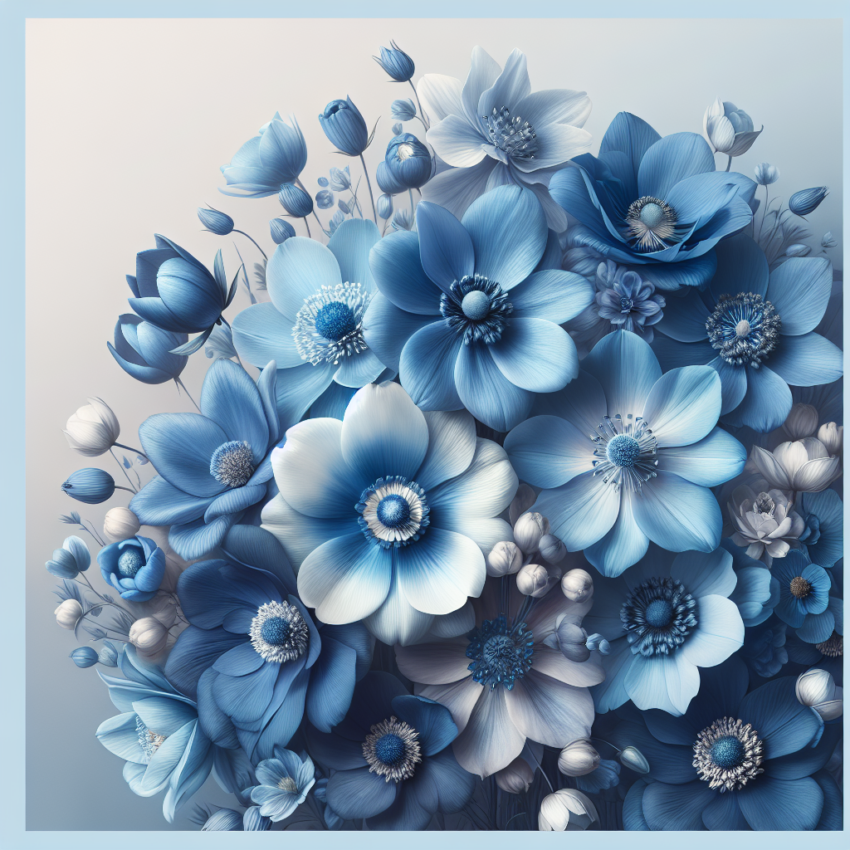
The allure of the blue flower has captivated artists, poets, and gardeners alike. Its unique hue represents a blend of beauty and symbolism that transcends cultures and eras. Whether found in paintings or gardens, the blue flower invites curiosity and admiration. In floral symbolism, the color blue often signifies calmness, serenity, and stability. This article explores the essence and diversity of blue flowers, offering insights into their significance and presence in nature.
The Fascination with the Blue Flower
Blue flowers are quite rare in nature, making them a special find in any bouquet or garden. Their rarity adds an air of mystery and exclusivity. Unlike their more common red or yellow cousins, blue flowers symbolize deep sentiment and creativity. Historically, they have been celebrated in literature and art, often representing the unattainable or the infinite.
In practice, blue flowers, such as the small blue flowers of the forget-me-nots, are versatile in their appeal. Their subtle charm can enhance floral arrangements and provide a gentle pop of color in gardens. Despite their delicate appearance, many blue flowers are surprisingly resilient, thriving in varied climates and conditions.
Examples of Enchanting Blue Flowers
Some popular blue flowers include the striking blue delphinium, the starflower, and the humble cornflower. Each offers its own unique shade and form, adding to the vast tapestry of floral diversity. Delphiniums, with their tall, spiky blooms, can serve as dramatic focal points in gardens. In contrast, cornflowers are often associated with simplicity and tradition.
Blue hydrangeas are another beloved choice, famous for their ability to change color based on soil pH. This adaptability makes them a favorite among gardeners wanting versatility in their landscaping. The hydrangea’s rich and voluminous blossoms can transform any garden into an oasis of tranquility.
The Symbolism of Small Blue Flowers
Small blue flowers, like those of the forget-me-not, are often seen as tokens of love and remembrance. These petite blossoms carry poignant messages, despite their diminutive size. The name itself, “forget-me-not,” suggests a deep emotional connection and a reminder of memories shared.
Another example is the bluebell, which typically symbolizes humility and gratitude. The drooping blooms of the bluebell appear modest and delicate, yet their indelible impact on folklore and tradition is immense.
Gardening with Blue Flowers
Creating a garden with blue flowers can be a rewarding pursuit for any plant enthusiast. When selecting plants, consider the growing conditions your garden offers. Blue flowers often prefer well-drained soil and ample sunlight, such as those found in the Mediterranean climates.
Pairing blue flowers with complementary colors, like whites and yellows, can create a visually striking display. This contrast highlights the vibrant blue hues and prevents the flowers from being overshadowed by more vivid colors. For more tips on gardening and health trends, visit our dedicated section.
Blue Flowers in Art and Culture
The depiction of blue flowers in art and literature is a testament to their wide-reaching influence. Artists like Vincent van Gogh and Claude Monet used them to evoke mood and depth in their masterpieces. In literature, blue flowers often symbolize yearning and the search for meaning, as seen in works of Romantic poets who embraced these flowers as emblems of idealistic desires.
Beyond Western cultures, blue flowers have their place in various traditions. In some Asian cultures, they are seen as symbols of peace and enlightenment. The global allure of blue flowers attests to their universal appeal and timeless beauty.
Conclusion: The Timeless Beauty of the Blue Flower
The blue flower continues to inspire and enchant those who admire its subtle yet profound beauty. Whether encountered in the wild or cultivated in gardens, it remains a symbol of peace, creativity, and aspiration. As you explore the world of blue flowers, consider their historical significance and the quiet dignity they bring to both art and horticulture. To learn more about staying healthy and incorporating nature into your lifestyle, explore more on this page.
- Blue flowers are rare and symbolize peace and creativity.
- Popular examples include delphiniums, hydrangeas, and forget-me-nots.
- Small blue flowers hold cultural significance and often symbolize remembrance.
- Incorporating blue flowers into gardens can create striking visual contrasts.
- Blue flowers have been celebrated in art and literature for their symbolism.
What are some popular blue flowers?
Popular blue flowers include the delphinium, cornflower, hydrangea, and forget-me-not, each with unique appearances and meanings.
Why are blue flowers rare?
Blue flowers are rare because the pigments required to produce blue are uncommon in nature, leading to fewer natural occurrences of truly blue blooms.
What do blue flowers symbolize?
Blue flowers often symbolize tranquility, introspection, the unattainable, and a desire for harmony and peace.
How can I grow blue flowers in my garden?
To grow blue flowers, choose varieties suited for your climate, ensure well-drained soil, and plant them where they can receive ample sunlight.
Where can I learn more about incorporating blue flowers in art?
Explore art galleries, museums, and literature on artists like Vincent van Gogh and Claude Monet to learn how blue flowers have been used symbolically in art.