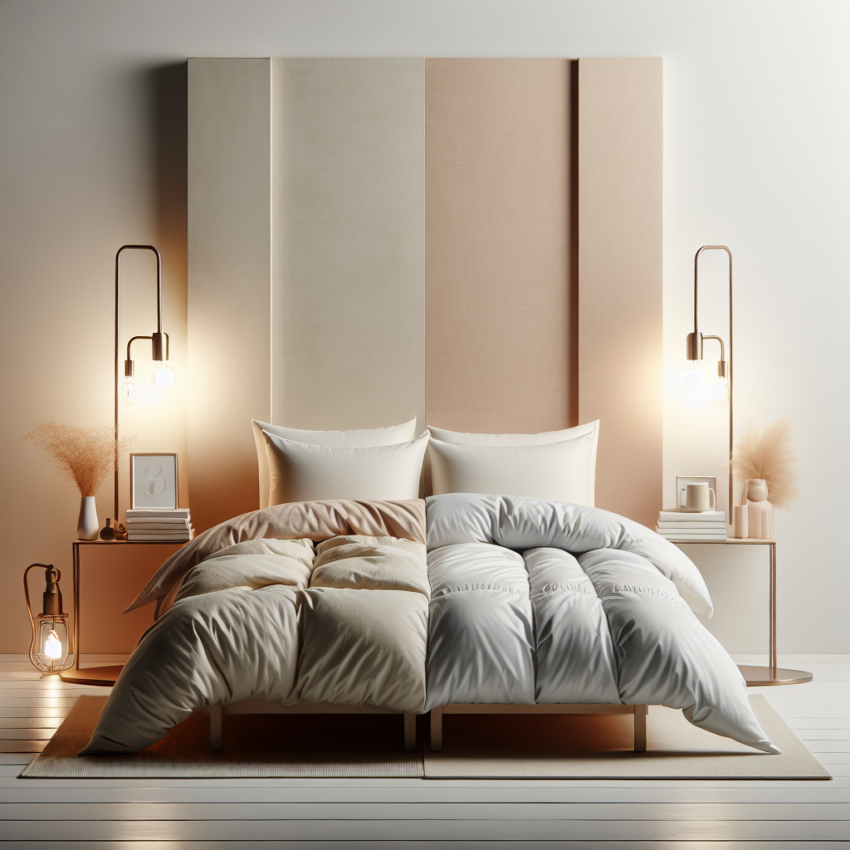
Choosing between a duvet and a comforter can be quite the dilemma, especially if you’re striving for optimal comfort and style in your bedroom. When faced with the duvet vs comforter decision, there are various factors to consider, including warmth, maintenance, and overall aesthetic. Both options offer unique features, making it crucial to understand their differences to determine which bedding choice is the right fit for your needs and lifestyle.
Duvet vs Comforter: What Set Them Apart?
Understanding the primary differences between a duvet and a comforter can significantly aid your decision-making process. While both serve the purpose of keeping you warm during the night, their construction, maintenance, and use differ significantly.
The Basics of a Duvet
A duvet is essentially a soft, flat bag filled with down, feathers, wool, or a synthetic alternative. This insert is protected by a cover, which can be easily removed and washed. The cover often acts like a giant pillowcase, enveloping the duvet and keeping it clean. Duvets are popular because they allow for easy style changes by simply swapping out the cover.
The Essentials of a Comforter
A comforter is typically a quilted blanket filled with synthetic fibers or down. Unlike a duvet, it doesn’t require a separate cover as it’s often finished with a decorative fabric. Comforters are designed to be used immediately after purchase, requiring no additional accessories.
Comparing Comforters vs Duvets: Key Considerations
When deciding between comforters or duvet, think about ease of maintenance, desired warmth level, and aesthetics. Comforters usually offer a more polished, finished look, while duvets provide flexibility in design.
Maintenance and Practicality
Duvets generally require more effort to maintain since the cover must be removed and washed regularly. However, this feature makes it easier to keep the duvet itself clean. Comforters offer a single-layer cleanup but might need more frequent washing of the entire piece.
Warmth and Insulation
Both options offer varying levels of warmth. Duvets can be easily adjusted for seasonal changes by swapping to a heavier or lighter insert, while comforters offer a consistent warmth level. It’s important to consider the insulation that each bedding type offers based on your climate.
Style and Aesthetics
Comforters typically come in a variety of styles and patterns, providing a ready-made solution for any bedroom decor. Duvets offer more customization since you can mix and match duvet covers for different looks. This adaptability might appeal to those who enjoy frequently switching up their bedroom’s appearance.
A Sustainable Choice: Duvets
By simply replacing duvet covers, you can achieve a fresh look without the need for a complete bedding overhaul, which can be economically and environmentally beneficial.
For inspiration on incorporating unique elements into your home, consider exploring how to decorate your home with vintage maps as part of a timeless trend.
Final Thoughts on Duvet vs Comforter
Ultimately, choosing between a duvet and a comforter depends on personal preferences and lifestyle. Whether you prioritize the ease of use and immediate style of comforters or the versatility and customization of duvets, each option has its benefits. Consider your specific needs and priorities to make the best choice for a restful night’s sleep.
For more about the differences and benefits of these bedding options, you can explore resources like the Wikipedia article on health and wellness.
- Duvets offer flexible style changes through interchangeable covers.
- Comforters provide ready-to-use simplicity with diverse style options.
- The choice between a duvet and comforter depends on personal needs and preferences.
- Maintenance and warmth levels are key factors to consider.
- Both options are suitable for a cozy, inviting bedroom ambiance.
Frequently Asked Questions
How often should you wash a duvet cover?
It’s recommended to wash your duvet cover at least once every two weeks to maintain cleanliness and hygiene.
Can I use a duvet without a cover?
While technically possible, using a duvet without a cover is not advisable as it can lead to quicker wear and stains.
Are comforters warmer than duvets?
The warmth of a comforter vs duvet depends on the materials and fill used in each, with both options available in a range of warmth levels.
How do I choose the right duvet or comforter for summer?
For summer, opt for lightweight fills such as cotton or a thinner synthetic option to ensure comfort and breathability.
What size cover should I get for my duvet?
Choose a duvet cover that matches the size of your duvet for the best fit, typically labeled as twin, full/queen, or king.