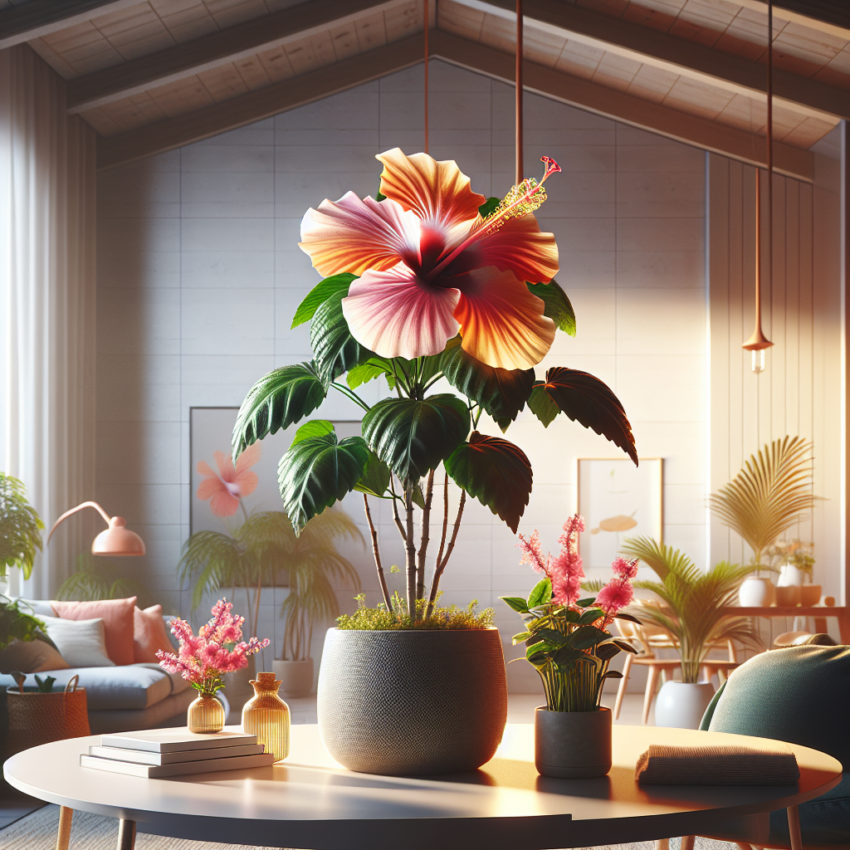
The hibiscus plant is not only admired for its strikingly beautiful blooms, but it also offers a plethora of health and home benefits. From aiding digestion to enhancing your living space, this tropical plant is more versatile than you might think. In this article, we’ll explore the myriad benefits of the hibiscus plant and how it can be an asset to both your health and home environment.
Health Benefits of the Hibiscus Plant
Many people are drawn to hibiscus for its potential health benefits. This vibrant plant is well-known for its contribution to wellness, especially when it comes to its tea form, known as hibiscus tea.
Supports Heart Health
Research suggests that hibiscus tea can help maintain healthy blood pressure levels. A study conducted by researchers found that regular consumption of hibiscus tea may help in reducing both systolic and diastolic blood pressure. This makes it a favorite among those looking for natural ways to support cardiovascular health.
Rich in Antioxidants
Hibiscus contains powerful antioxidants, which help the body fight off damage from free radicals. These antioxidants are crucial in maintaining overall health and wellness as they can decrease oxidative stress in cells, which may reduce the risk of chronic diseases over time.
Aids Digestion
The hibiscus plant is also thought to aid digestion. Drinking hibiscus tea may help alleviate digestion issues, such as constipation and indigestion, due to its diuretic properties. However, it is important to consult a healthcare provider for issues related to your digestive system.
May Support Liver Health
Animal studies have indicated that hibiscus extracts can support liver health and improve liver function. While more research is needed in humans, preliminary data show promise that hibiscus may help maintain liver health by potentially protecting the liver from toxins.
To explore natural options for health issues such as menopause-related concerns, you may want to consider natural remedies and supplements for menopause-related brain fog.
Home Uses of the Hibiscus Plant
Beyond its health benefits, the hibiscus plant is a wonderful addition to your home, both decoratively and functionally.
Beautifies Living Spaces
With its vibrant flowers and lush greenery, the hibiscus plant can effortlessly enhance the aesthetic appeal of any room. Whether used indoors or in the garden, the visual impact is undeniable, drawing attention and adding tropical flair.
Natural Scent Enhancer
Aside from its visual beauty, the hibiscus blooms have a delicate and pleasant aroma. Incorporating hibiscus into your home environment can contribute to a naturally fragrant atmosphere, creating a more welcoming and relaxing space.
Hibiscus as a Natural Dye
The vibrant color of hibiscus flowers makes them an excellent natural dye for fabrics and crafts. This can be a fun way to incorporate organic materials into your DIY projects, offering both creativity and sustainability in crafting.
Improves Air Quality
Like many houseplants, the hibiscus plant can help improve indoor air quality. Plants naturally filter the air and can remove toxins, fostering a healthier living environment.
For further reading on general health improvement strategies, visit the Health Wikipedia page.
Overall, the hibiscus plant is a versatile and beneficial addition to any home. Whether you’re sipping hibiscus tea for its possible health benefits or enjoying its vibrant beauty, this plant has much to offer. Consider adding it to your health regimen or homestead project to unlock its full potential.
- Hibiscus has potential heart-health benefits.
- Rich in antioxidants, it supports overall wellness.
- The plant is useful in beautifying and freshening homes.
- Hibiscus can also be used in creative DIY projects as a natural dye.
- Always consult a healthcare provider for serious health conditions.
FAQs about the Hibiscus Plant
What is hibiscus tea good for?
Hibiscus tea is thought to aid in reducing blood pressure, providing antioxidant benefits, aiding digestion, and potentially supporting liver health.
Can hibiscus improve air quality?
Yes, like many indoor plants, hibiscus can help improve air quality by filtering out toxins and contributing to a healthier indoor atmosphere.
Is hibiscus effective as a natural dye?
Yes, the vibrant colors of the hibiscus flower make it an excellent natural dye for fabrics and crafts, offering a sustainable option for DIY projects.
How does hibiscus affect digestion?
Hibiscus is believed to help with digestion issues like constipation and indigestion due to its diuretic properties, but you should consult a healthcare provider for digestive health concerns.
Can I grow hibiscus indoors?
Yes, with proper care, hibiscus plants can be grown indoors. They thrive in sunlight and require a warm environment, making them an attractive indoor plant option.