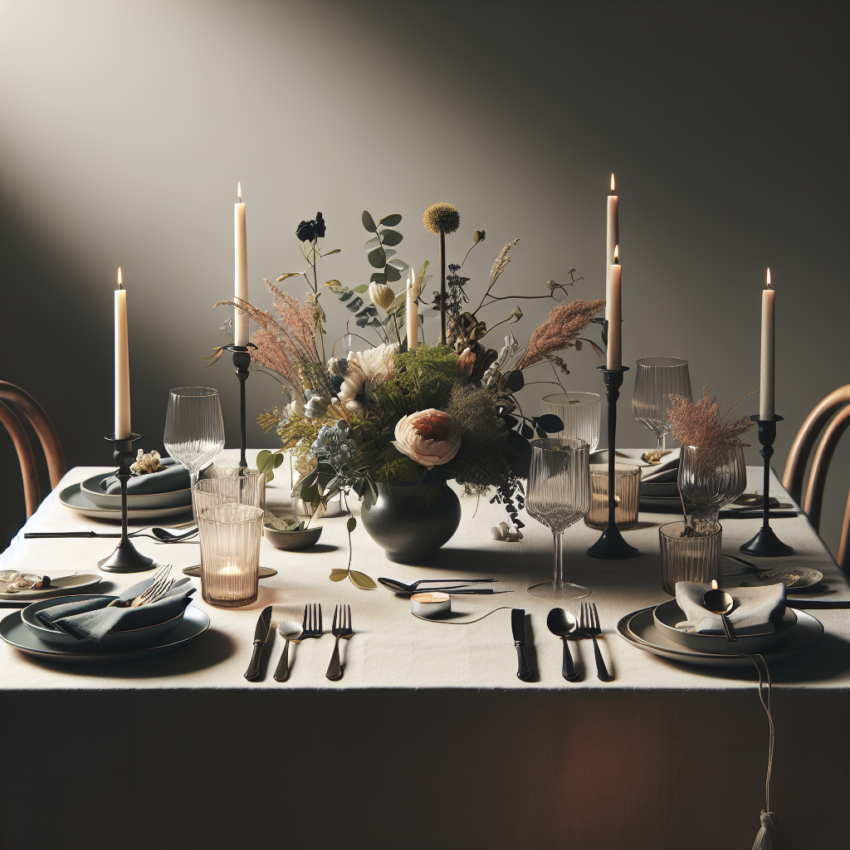
Setting a table might seem like a daunting task, but with the right guidance, anyone can master how to set a table for any occasion. Whether you’re hosting a formal dinner or a casual brunch, understanding the basics and intricacies of table settings can elevate your event and impress your guests.
How to Set a Table: The Basics
Before diving into the nuances of advanced table settings, it’s essential to grasp the fundamentals. A simple table setting is perfect for everyday meals or casual gatherings. Begin with a clean tablecloth or placemats that complement your dining theme.
A basic setup includes:
- Plates: A dinner plate as the centerpiece. If serving bread, include a small bread plate to the left.
- Cutlery: Place the fork on the left side of the dinner plate and the knife with the blade facing the plate, on the right. Add a dessert spoon above or beside the plate if needed.
- Glassware: Position a water glass above the knife. If offering wine, place the wine glass to the right of the water glass.
- Napkins: Folded neatly on the plate or to the left of the fork.
Formal Settings: Adding Elegance
When hosting a formal event, consider expanding upon the basic setup by adding additional elements. This not only enhances the dining experience but also adds to the aesthetic appeal.
Include the following for a more formal setting:
- Charger Plate: This serves as a decorative piece beneath the dinner plate, adding formality.
- Multiple Glassware: Incorporate a champagne flute and different wine glasses tailored to the wines you are serving.
- Extra Cutlery: Additional forks for each course on the left and spoons or knives on the right. Follow the order of use, from the outside working inward.
- Place Cards: For organized seating arrangements, particularly at larger gatherings, use personalized place cards.
Themed Table Settings: Custom Touches
Infuse personality into your tablescape by adopting a theme. Whether inspired by seasons, holidays, or personal interests, a theme can unify your decor and provide a unique dining experience.
- Seasonal Decor: Knitted napkin rings for winter or floral centerpieces for spring.
- Color Coordination: Select tableware and centerpieces that reflect a cohesive color palette.
- Personalized Touches: Incorporating vintage elements such as antique cutlery or heirloom crockery can add character.
Practical Tips for Various Occasions
As every occasion demands a different atmosphere, here’s how to set a table to suit both formal and informal events.
Casual Gatherings
Keep it simple and comfortable. Use bright colors and fun accessories to create an inviting and relaxed atmosphere. Mason jars for drinks and paper napkins with fun patterns can add a lighthearted touch.
Formal Dinners
Opt for muted colors and elegant tableware. Crystal glassware, fine china, and polished silver cutlery speak to sophistication and attention to detail. Ensure all elements are well-coordinated for a seamless look.
Health and Environmental Considerations
When setting your table, consider the impact on health and the environment. Choose sustainable and non-toxic materials where possible. Biodegradable napkins or reusable tableware are excellent choices for the environmentally conscious, aligning with the growing trend towards sustainability. For more information on sustainable practices, visit Wikipedia’s page on sustainability.
Whether hosting a formal banquet or a cozy family dinner, understanding how to set a table can transform an ordinary meal into a memorable dining experience.
- Begin with the basics suitable for any meal or occasion.
- Elevate formality with additional elements and decor for formal settings.
- Themed decorations can personalize the dining experience.
- Adjust table settings according to the event’s vibe, keeping comfort in mind.
- Consider sustainable choices that benefit health and the environment.
What is the first step in setting a table?
Start by choosing a suitable tablecloth or placemats that set the tone for the occasion. Clean the table surface thoroughly to ensure a neat setup.
Should table settings vary based on the occasion?
Yes, different occasions call for distinct settings. Casual events might require a simple and informal setup, while formal dinners benefit from a detailed and sophisticated approach.
How important is glassware in table settings?
Glassware is crucial in completing table aesthetics and functionality, offering guests choices of beverages suited to the meal.
Can I incorporate modern elements into traditional settings?
Certainly! Mixing modern and traditional elements can create an eclectic and interesting tablescape, demonstrating your unique style and creativity.
What are some sustainable options for table settings?
Opt for reusable linens, non-toxic dinnerware, and locally sourced centerpieces. Exploring sustainable choices contributes to environmental protection and conscious dining practices.