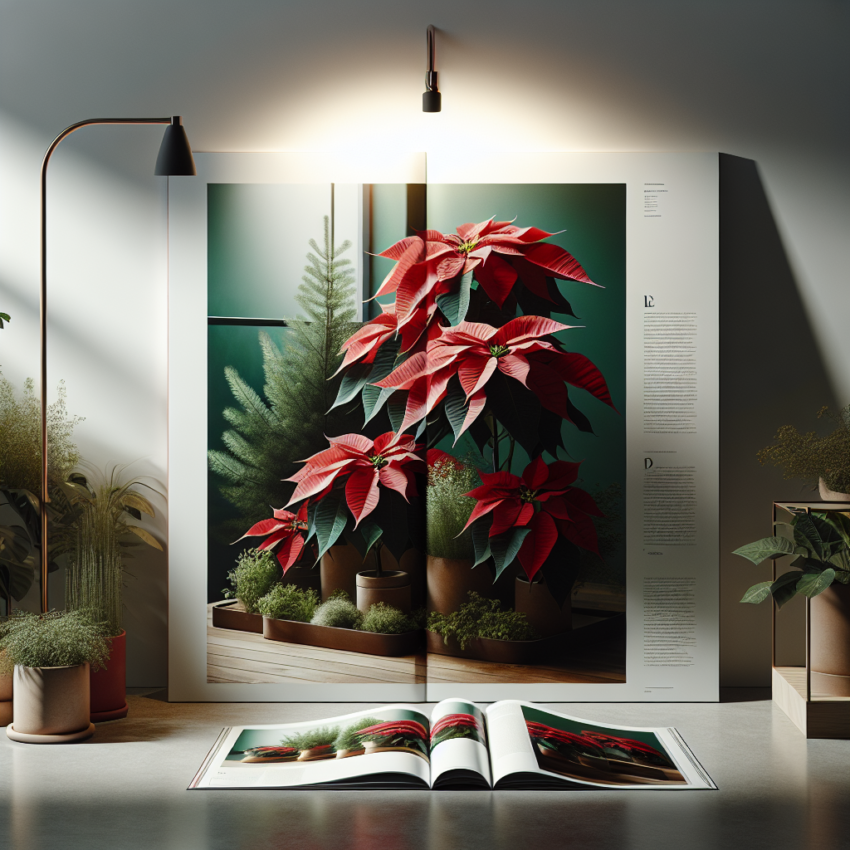
With their vibrant red and green foliage, poinsettias are synonymous with the holiday season, making them a favorite among many home decorators. Ensuring vibrant, healthy plants throughout the festive period requires attentive poinsettia care. In this guide, we’ll explore the vital steps to ensure your poinsettias not only survive but thrive.
Understanding Poinsettia Care
Poinsettias, originally from Central America, have specific needs that, when met, display their full beauty. The key to successful poinsettia care involves understanding their light, water, and temperature requirements.
Ideal Light Conditions
Poinsettias require bright, indirect sunlight to flourish. Position your plant near a south, east, or west window, but ensure it’s protected from direct sunlight, which can scorch the leaves.
Water Requirements
Proper watering is crucial for poinsettia care. Over-watering can lead to root rot, while under-watering may cause wilting. Touch the soil; water when it’s dry to the touch. Ensure the pot has drainage holes to prevent water from accumulating.
Temperature and Humidity
Poinsettias prefer a temperature range between 65-75°F during the day and around 60°F at night. Avoid placing them near drafty windows or heat sources like fireplaces, which can impede their growth. Maintaining adequate humidity levels will also support their health.
Fertilizing Your Poinsettia
Fertilizing is an essential component of poinsettia care. During the growing season, use a balanced, all-purpose fertilizer every few weeks. Avoid fertilizing while the poinsettia is in bloom.
Repotting and Pruning
After the holiday season, you may choose to keep your poinsettia through the year. Repotting in spring and occasional pruning will encourage healthy new growth. Trim back leggy stems to maintain a bushy and compact shape.
Common Poinsettia Problems and Solutions
Understanding common issues that arise with poinsettia care can help you address them promptly. Let’s look into some frequent concerns.
Leaf Drop
This issue often results from sudden changes in temperature or humidity, or improper watering. Ensure a stable environment and adjust the watering schedule accordingly.
Pest Infestation
Occasionally, poinsettias can suffer from pests like whiteflies or aphids. Inspect plants regularly. Mild infestations can be managed with insecticidal soap or neem oil.
Yellowing Leaves
Yellowing may signal over-watering or nutrient deficiencies. Adjust watering practices and consider feeding the plant with a suitable fertilizer if needed.
Decorating with Poinsettias
Beyond their traditional use in holiday décor, poinsettias add a splash of color to any room. They complement various home styles and can serve as centerpieces or accents on tables and mantels.
Creative Arrangements
Experiment with different arrangements to enhance your home’s aesthetic. Combine poinsettias with pine cones, ornaments, or ivy for an appealing festive display.
Year-Round Care
After the holidays, continue caring for your poinsettia. With proper care, it can bloom again the next year, serving as a perennial reminder of the holiday cheer. For ideas on maintaining vibrant health, explore unique gardening approaches.
For more detailed information on poinsettias and their botanical history, visit Wikipedia’s Poinsettia page.
Conclusion
By committing to essential poinsettia care practices, you can ensure these festive plants remain a cherished part of your home décor throughout the season and potentially into the next year. The right balance of light, water, and environment will help you maintain their vibrant appearance.
- Position poinsettias in bright, indirect light.
- Water only when the soil is dry to avoid root rot.
- Maintain temperature between 65-75°F for best results.
- Fertilize sparingly during the growth phase, not while blooming.
- Inspect regularly for pests and address issues promptly.
FAQ
What should I do if my poinsettia starts dropping leaves?
Leaf drop can be due to temperature changes or improper watering. Evaluate these factors and adjust the plant’s environment accordingly.
Can I keep my poinsettia year-round?
Yes, with the right care, you can enjoy your poinsettia year-round. Consider repotting in spring and maintaining consistent light and water.
How can I make my poinsettia rebloom?
To encourage reblooming, reduce watering in winter, and provide 14 hours of uninterrupted darkness every night starting around October for about eight weeks.
Are poinsettias poisonous to pets?
Poinsettias are mildly toxic to pets. Keep them out of reach to avoid any ingestion, which can cause mild irritation or nausea in pets.
How often should I water my poinsettia?
Water when the top inch of soil is dry. It’s important to avoid over-watering, so ensure adequate drainage from the pot.