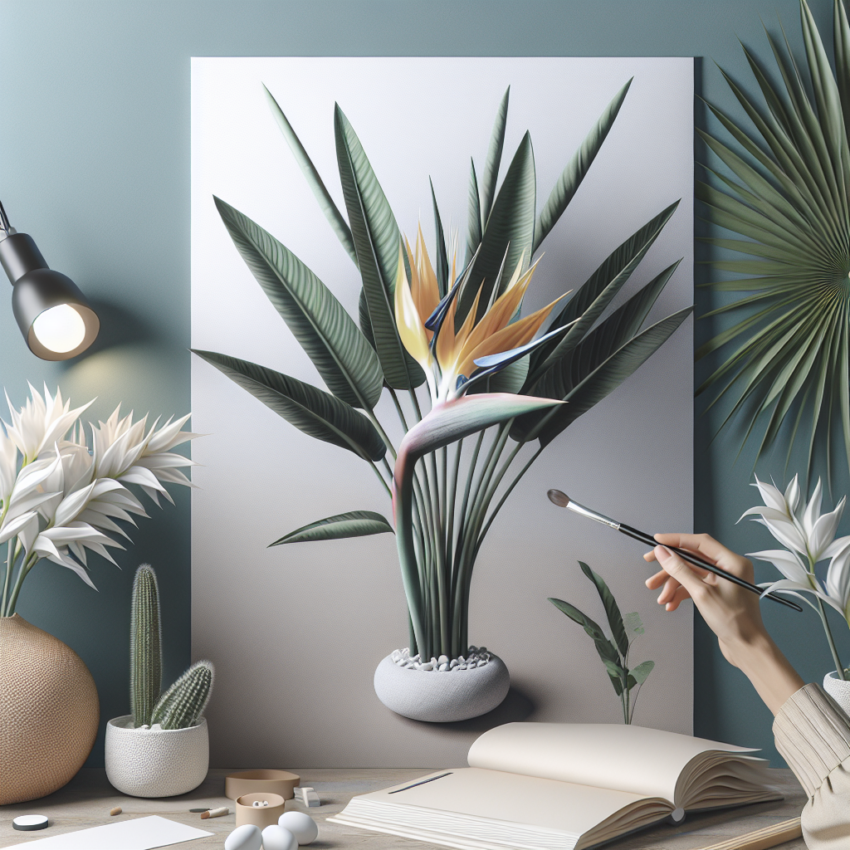
The white bird of paradise is a captivating plant that has gained popularity for its stunning appearance and ability to transform any living space into a tropical oasis. Known for its large, banana-like leaves and striking white flowers, the white bird of paradise plant is an excellent choice for those looking to add a touch of exotic flair to their homes or offices.
Caring for Your White Bird of Paradise
The white bird of paradise thrives in environments that mimic its natural habitat. Originating from South Africa, these plants require specific conditions to grow well indoors. Ensuring that these conditions are met will keep your plant happy and healthy, rewarding you with its lush foliage and beautiful blooms.
Light Requirements
For optimal growth, place your white bird of paradise in a location that receives bright, indirect light. These plants can tolerate some direct sunlight, but too much can scorch their leaves. If you notice the leaves curling or developing brown spots, consider moving the plant to a less sunny spot.
Watering and Humidity
Proper watering is crucial for the white bird of paradise. The soil should be kept consistently moist but not soggy. Watering once the top inch of soil feels dry is a general guideline. Additionally, high humidity levels will benefit the plant. Consider using a humidifier or misting the leaves to maintain the required humidity.
For more tips on maintaining the right moisture levels in your garden, explore our guide to irrigation systems.
Temperature Considerations
The white bird of paradise prefers warm temperatures. Ideally, keep it in environments that range between 65°F to 70°F. It is sensitive to cold, so ensure it is not placed in drafty areas or near windows during the winter months.
Soil and Fertilization
Use a well-draining potting mix that retains some moisture. A mixture with peat moss and perlite is often recommended. Fertilizing every two weeks during the growing season with a balanced, water-soluble fertilizer will encourage vigorous growth and vibrant blooms.
Benefits of Having a White Bird of Paradise Plant at Home
The white bird of paradise is not just a visual delight but also offers several benefits that make it a valuable addition to your indoor plant collection.
Air Purification
Like many indoor plants, the white bird of paradise helps purify the air by removing toxins and releasing oxygen. This can contribute to a healthier indoor environment and improve your overall well-being.
Calming Atmosphere
The lush, tropical appearance of the white bird of paradise creates a calming and relaxing atmosphere, which can help reduce stress and promote mental clarity. This makes it an excellent choice for both homes and offices.
Decorative Appeal
With its tall stems and large, elegant leaves, the white bird of paradise makes a bold statement and enhances any interior decor. It can be used as a focal point in elegant living rooms, stylish offices, or even cozy reading nooks.
Potential Challenges and Solutions
While the white bird of paradise is generally easy to care for, it may face some challenges. Being aware of these issues and their solutions will help you keep your plant thriving.
Pest Infestations
Common pests such as spider mites, mealybugs, and aphids can affect the white bird of paradise. Regular inspection and cleaning of the leaves, along with the use of insecticidal soap, can help manage these pests.
Leaf Problems
Brown leaf edges or tips can indicate several issues, such as low humidity, improper watering, or nutrient deficiencies. Addressing these problems by adjusting environmental conditions or providing the necessary nutrients can prevent further damage.
Slow Growth
If your white bird of paradise is not growing as expected, it may require more light, or it may be root-bound. Transplanting your plant into a larger pot can often resolve this issue and encourage growth.
Conclusion
The white bird of paradise is a truly remarkable plant that can transform any space with its unique beauty. By understanding its care requirements and addressing any challenges that arise, you can enjoy the lush greenery and elegance it brings to your indoor environment. Explore detailed guides and resources to make the most of your gardening experiences with plants like the white bird of paradise.
- The white bird of paradise is known for its exotic, tropical appearance.
- It requires bright, indirect light and consistent watering.
- This plant can improve air quality and provide a calming atmosphere.
- Challenges such as pests can be managed with proper care.
- Consider environmental factors like temperature and humidity for optimal growth.
Is the white bird of paradise toxic to pets?
Yes, the white bird of paradise can be toxic to pets if ingested. Keep it out of reach of cats and dogs.
How often should I water my white bird of paradise?
Water when the top inch of soil feels dry. This typically means watering once a week, but it may vary based on environmental conditions.
Can I grow the white bird of paradise outdoors?
Yes, in climates that are warm year-round, the white bird of paradise can be grown outdoors. Ensure it is protected from frost.
Why are my plant’s leaves turning yellow?
Yellow leaves may signal overwatering, insufficient humidity, or nutrient deficiencies. Adjust your care routine to address these issues.
Where can I learn more about indoor plant care?
For comprehensive information on indoor plant care, consider visiting resources like Wikipedia’s section on houseplants.