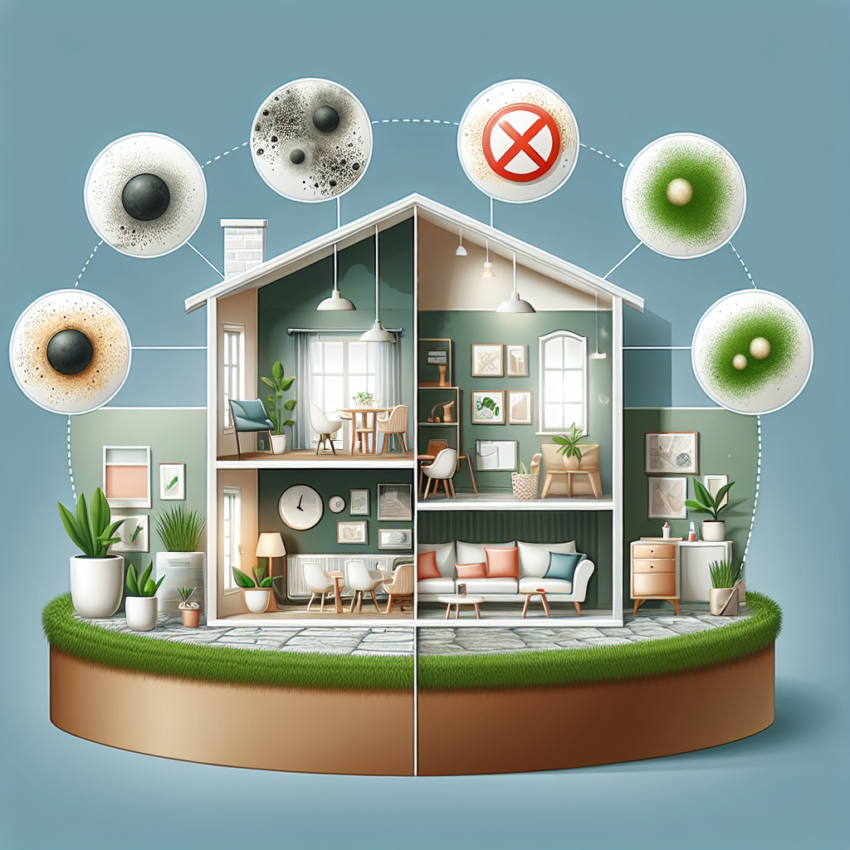
When it comes to home maintenance, few topics generate as much concern as black mold vs mildew. Both can appear unexpectedly, thriving in damp and humid environments, and each poses different challenges and risks. Homeowners often find themselves wondering how to distinguish between these two common culprits and how to effectively eradicate them for a healthier living space.
Understanding Black Mold vs Mildew
Mold and mildew are both types of fungi that can grow indoors and are often confused due to their similar appearances. However, they have distinct characteristics. Black mold, often a term for Stachybotrys chartarum, tends to appear as slimy and dark greenish-black patches. Mildew, on the other hand, typically appears as a flat, powdery, white, or gray substance.
One of the key differences lies in their habitats and health implications. Black mold frequently grows on water-damaged building materials and may release toxins that could pose health risks. Mildew often thrives on damp surfaces and fabrics but is generally less harmful compared to mold. Nonetheless, it’s important to address both promptly to maintain a healthy home.
Identifying Black Mold
Black mold tends to have a strong, musty odor and is most commonly found in areas that have experienced water damage. It’s crucial to identify and remove black mold quickly due to its potential health effects. Susceptible areas include basements, bathrooms, and kitchens where humidity levels are high and ventilation may be poor.
Identifying Mildew
Mildew often appears on damp surfaces like shower tiles, window sills, and fabrics. Compared to black mold, mildew is easier to remove because it usually grows on surfaces and is less invasive. Regular cleaning with a mix of water and vinegar can often suffice to eliminate mildew.
Health Implications
Exposure to black mold can cause respiratory issues, allergic reactions, and other health concerns, especially for individuals with preexisting health conditions. In contrast, while mildew exposure might cause mild irritation, it is generally considered less of a health threat. Nonetheless, both warrant attention to ensure a safe and comfortable home environment.
Prevention and Removal Tips
Preventing the growth of mold and mildew involves controlling the home environment. Here are some effective strategies:
- Keep humidity levels below 50% using dehumidifiers or air conditioners.
- Ensure proper ventilation in kitchens, bathrooms, and laundry rooms.
- Fix leaks promptly and thoroughly dry any areas affected by water.
- Regularly clean surfaces with antimicrobial solutions to prevent mold growth.
If black mold is detected, it is often best to consult with a professional to safely remove it due to its potential health risks. In contrast, mildew can generally be managed by frequent cleaning and maintenance efforts.
Regular Maintenance for a Mold-Free Home
Regular inspections and maintenance can make a significant difference in controlling and preventing mold and mildew. Consider scheduling routine checks for leaks, drafting a cleaning schedule, and using a moisture meter to spot problem areas early. Such diligence is key to creating a safe, healthy space.
Whether you are keen on maintaining a vintage aesthetic or modern elegance, ensuring that your decor choices do not compromise your home’s atmosphere is important. For a touch of timeless flair, consider adding classic elements like vintage maps.
Learn More About Health Risks
For further reading on the general health implications of mold and maintaining a healthy home, you can visit this comprehensive resource on health-related topics.
Understanding the differences between black mold vs mildew is essential for maintaining a safe living space. By recognizing the signs early and taking preventive measures, homeowners can effectively manage and eliminate these unwelcome guests.
- Black mold and mildew are common household fungi but have distinct features and risks.
- Black mold is often more harmful and difficult to eradicate than mildew.
- Prevention involves reducing humidity and increasing ventilation.
- Professional help may be necessary for removing black mold, while mildew can typically be cleaned at home.
- Regular home maintenance and early intervention are key to controlling mold and mildew.
What are the main differences between black mold and mildew?
Black mold is generally darker, more invasive, and potentially more dangerous due to its health risks, while mildew is lighter, often appearing as a surface growth, and less hazardous.
Where is black mold commonly found?
Black mold typically grows in areas where there has been significant water damage and persists in damp, poorly ventilated spaces like basements and bathrooms.
Can mildew affect my health?
While mildew is less likely to cause severe health issues, it can still trigger mild allergic reactions in sensitive individuals or worsen respiratory problems.
How can I prevent mold and mildew in my home?
To prevent mold and mildew, maintain low indoor humidity, fix leaks promptly, ensure good ventilation, and regularly clean susceptible areas.
Should I remove black mold myself?
Due to the potential health risks and complexities involved, it is often recommended to seek professional removal services when dealing with black mold.