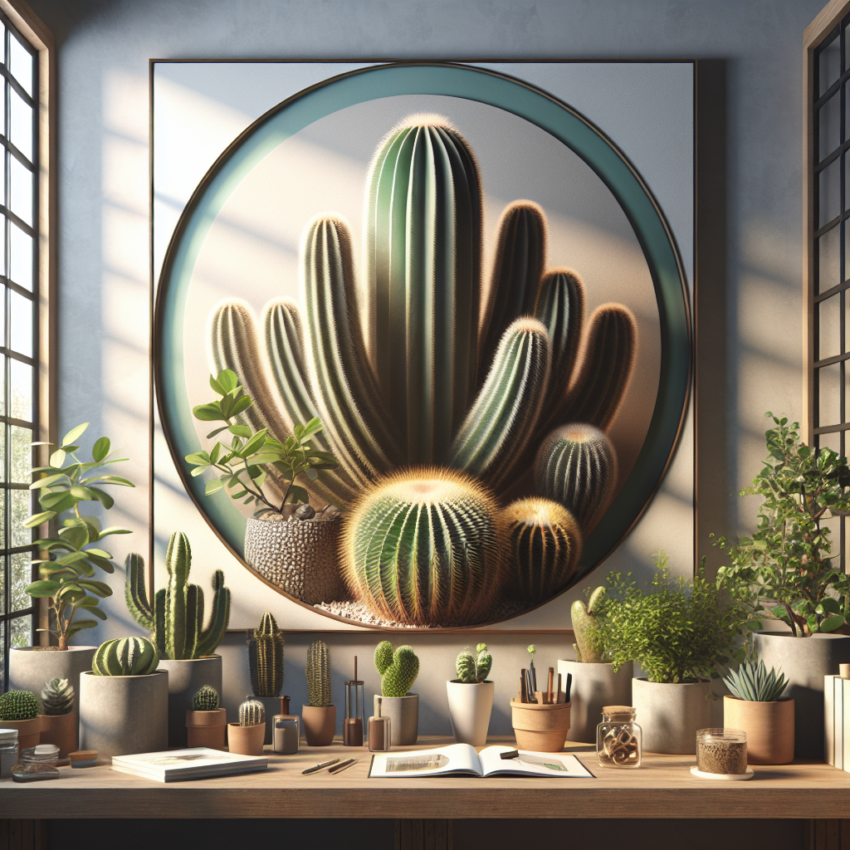
The cactus plant is an adored choice for indoor greenery enthusiasts, offering unique beauty and minimal care requirements. Known for their hardiness and striking appearance, cactus plants can transform your indoor spaces into a lively, serene environment. Whether you’re a seasoned gardener or a beginner, understanding the basics of cactus care can help your plant flourish in its new home.
How to Care for a Cactus Plant Indoors
Cactus plants have specific needs that distinguish them from other houseplants. They thrive on a balance of sunlight, minimal watering, and appropriate soil conditions. Understanding these needs can help ensure your cactus remains healthy and robust.
Providing Adequate Sunlight
Sunlight is crucial for the growth and health of cactus plants. They typically require several hours of bright light each day. Most cacti love south- or west-facing windows where they can bask in ample sunlight. However, be cautious of scorching; if leaves begin to yellow, it might indicate too much sun exposure.
Watering Techniques
Unlike many other plants, cactus plants require less frequent watering. Overwatering can lead to root rot, a common issue with cacti care. It’s advisable to allow the soil to dry out completely between watering sessions. A good rule of thumb is to water your cactus every two to three weeks, depending on the season and indoor humidity levels.
Choosing the Right Soil
The soil in which you plant your cactus should facilitate drainage. Regular potting soil often retains too much moisture, which can be detrimental to cactus plants. Using a specialized cactus mix or adding sand, perlite, or pebbles to regular soil can improve drainage and create a healthier environment for your cactus to thrive.
Repotting Your Cactus
Although cactus plants grow slowly, they may eventually outgrow their pots. Repotting should be done every two to four years, depending on growth rates. When repotting, choose a pot that offers good drainage and is slightly larger than the current one. Handle your cactus with care, preferably using gloves to protect your hands from spines.
The Role of Fertilization
Cactuses require minimal fertilization, but it can promote growth when used sparingly. During the growing season, a diluted, balanced fertilizer can be applied once a month. Avoid fertilizing during the dormant winter months when cactus plants typically rest.
Common Challenges in Cactus Plant Care
Despite their reputation for being low-maintenance, cactus plants can face specific challenges. Being vigilant of potential issues and addressing them promptly can help maintain a thriving cactus.
Identifying and Treating Pests
Though resilient, cactus plants can occasionally become hosts to pests such as mealybugs or spider mites. Inspect your plant regularly and wash it with soapy water if you notice any unwanted insects. Persistent infestations might require insecticidal treatment.
Preventing Root Rot
Root rot is often a result of overwatering or poor drainage. To prevent this condition, ensure your cactus plant is in well-draining soil and that the pot has adequate drainage holes. If your cactus shows signs of root rot, repot it in fresh, dry soil.
For more insights into maintaining a healthy garden, explore effective irrigation systems.
Nurturing a Thriving Indoor Cactus Plant
A cactus plant not only adds architectural beauty to your space but also purifies the air, making your environment healthier. By understanding the plant’s needs, providing it with sufficient light, using appropriate soil, and managing watering correctly, you can keep your cactus thriving. If issues arise, troubleshooting promptly can prevent long-term damage to your beloved plant.
For further reading on plant care and health, visit the houseplant culture page on Wikipedia.
- Cactus plants need plenty of sunlight, ideally near a south- or west-facing window.
- Allow soil to dry out completely between watering to prevent root rot.
- Use well-draining soil to maintain cactus health.
- Repot cacti every few years to accommodate growth.
- Check regularly for pests and treat as needed.
What kind of soil is best for cactus plants?
Cactus plants thrive in well-draining soil. A specialized cactus mix or a regular potting soil combined with sand or perlite is ideal to ensure proper drainage.
How often should I water my cactus?
Water your cactus every two to three weeks, allowing the soil to dry completely between waterings. The frequency will vary depending on the room’s humidity and temperature.
Do cactus plants need fertilizer?
While not essential, a diluted, balanced fertilizer can be used monthly during the growing season to support growth. Avoid fertilizing in winter.
What are signs of overwatering a cactus?
Signs of overwatering include yellowing leaves or root rot. Ensure the soil dries out completely between watering sessions to prevent these issues.
Can cactus plants get pests?
Yes, cacti can suffer from pests such as mealybugs and spider mites. Regular inspection and gentle washing with soapy water can help manage infestations.