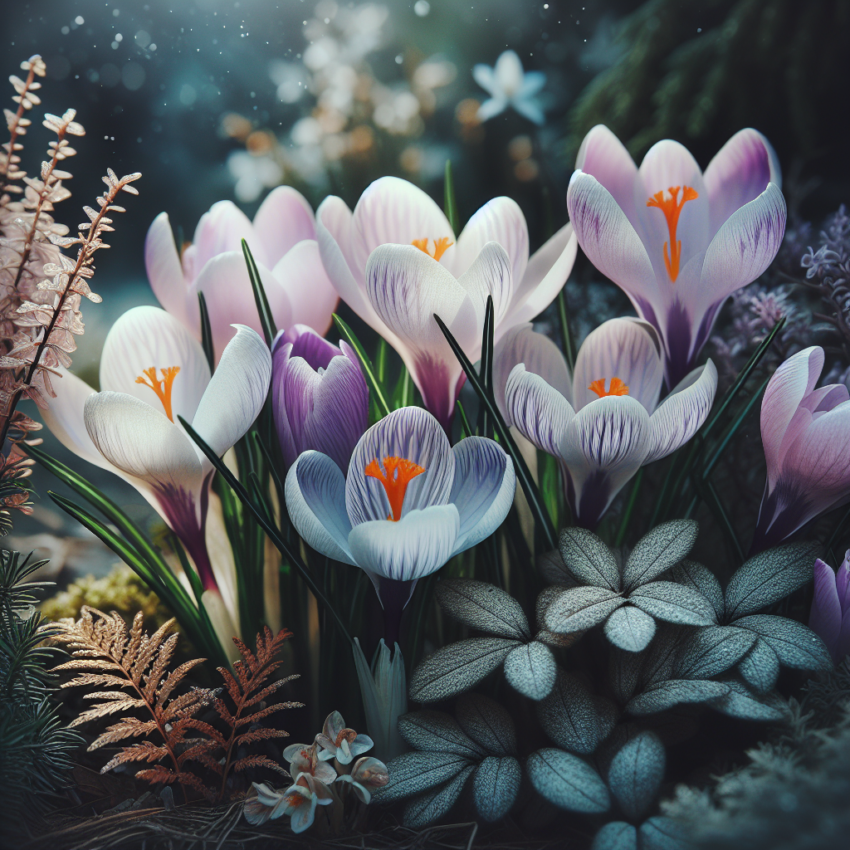
When it comes to adding a burst of color to your garden, few flowers can compete with the vibrant beauty of crocus crocus. These cheerful blooms herald the arrival of spring with their striking hues, ranging from purple and blue to white and yellow. But beyond their aesthetic appeal, crocuses offer multiple gardening benefits that make them a worthy addition to any landscape. Let’s explore why these delightful flowers deserve a place in your garden and how they can enhance your outdoor space.
The Many Benefits of Planting Crocus Crocus
Planting crocus crocus in your garden not only provides visual interest but also offers several practical advantages. Crocuses are known for their early blooming schedule, often appearing before other spring flowers. This early bloom can signal the end of winter and provide much-needed nourishment to bees and other pollinators emerging after the cold months. Additionally, crocuses are low-maintenance, drought-tolerant, and can thrive in a variety of soil conditions, making them ideal for beginner gardeners.
Crocus Crocus: A Bloom for Every Gardener
Whether you are a seasoned horticulturist or just starting out, crocuses are versatile flowers that can fit into many different gardening styles. They can be planted en masse for a dramatic effect, or interspersed with other perennials for subtle pops of color. Crocuses also work well in naturalistic settings, like rock gardens or under trees, where their delicate blooms can soften the harshness of stone and wood.
For those interested in using natural plant remedies, crocuses have ethnobotanical uses. While not as well-known as some other medicinal plants, they have been studied for their potential benefits. For instance, certain species like the saffron crocus are studied for culinary and possible health benefits, although these should be used cautiously and under professional guidance.
How to Plant and Care for Your Crocus Crocus
Planting crocus crocus is straightforward and involves a few simple steps. Choose a sunny spot with well-drained soil to give them the best chance of thriving. When planting bulbs in the fall, ensure they are about 3 inches deep and spaced three inches apart. Water them thoroughly after planting and then let nature take its course. Once established, crocuses require minimal care. In spring, they will reward you with their vibrant display after little more than a casual autumn planting session.
For more insights into natural gardening and the benefits of plants, you might find our article on natural remedies for seasonal health helpful. It explores how different plants can contribute to wellness.
Uses of Crocus Flowers in Landscaping
The aesthetic versatility of crocuses makes them a favorite among landscape designers. They can be used in various ways to complement other garden features. When planted along pathways or driveways, their colorful presence can guide visitors to your home’s entrance. In rock gardens, their delicate beauty stands in stark contrast to the rugged surface, adding layers of interest to the terrain. Under trees, they provide a burst of color in otherwise shaded spots.
It is essential to recognize that, like all plants, crocuses are part of broader ecosystems. They offer early food sources for pollinators, supporting local biodiversity. Encouraging these flowers in your garden can contribute to the health of local ecosystems.
For a comprehensive understanding of plant roles in ecosystems, this Wikipedia article on plant health provides valuable context.
- Crocus crocus blooms are early spring highlights.
- They support local pollinators with early-season nourishment.
- Crocuses are low-maintenance, ideal for various garden styles.
- They thrive in diverse soil and light conditions.
- Planting crocuses contributes to local ecosystem health.
FAQs about Crocius Crocus
What time of year should I plant crocus bulbs?
Crocus bulbs should be planted in the fall, before the ground freezes. This allows them to establish roots and prepare for spring blooming.
Can crocuses grow in pots or containers?
Yes, crocuses can thrive in pots or containers as long as they receive adequate sunlight and have well-drained soil.
How do I care for crocuses after they bloom?
Once they bloom, allow the foliage to die back naturally. This process helps the bulbs store energy for next year’s growth. Avoid cutting the leaves until they turn yellow.
Are crocuses resistant to pests?
Crocuses are relatively pest-resistant, but rodents like squirrels may dig up the bulbs. Using wire mesh when planting can deter such pests.
What are some companion plants for crocuses?
Crocuses pair well with other early bloomers, such as snowdrops and daffodils, as well as plants with differing bloom times that ensure a succession of color in your garden.
In conclusion, the beauty and benefits of crocus crocus make them a worthwhile addition to any garden. Their early blooms, ease of care, and ecological contributions can enhance both your landscape and the environment. Consider adding these charming flowers to your garden plan and enjoy the vibrant display they provide each spring.