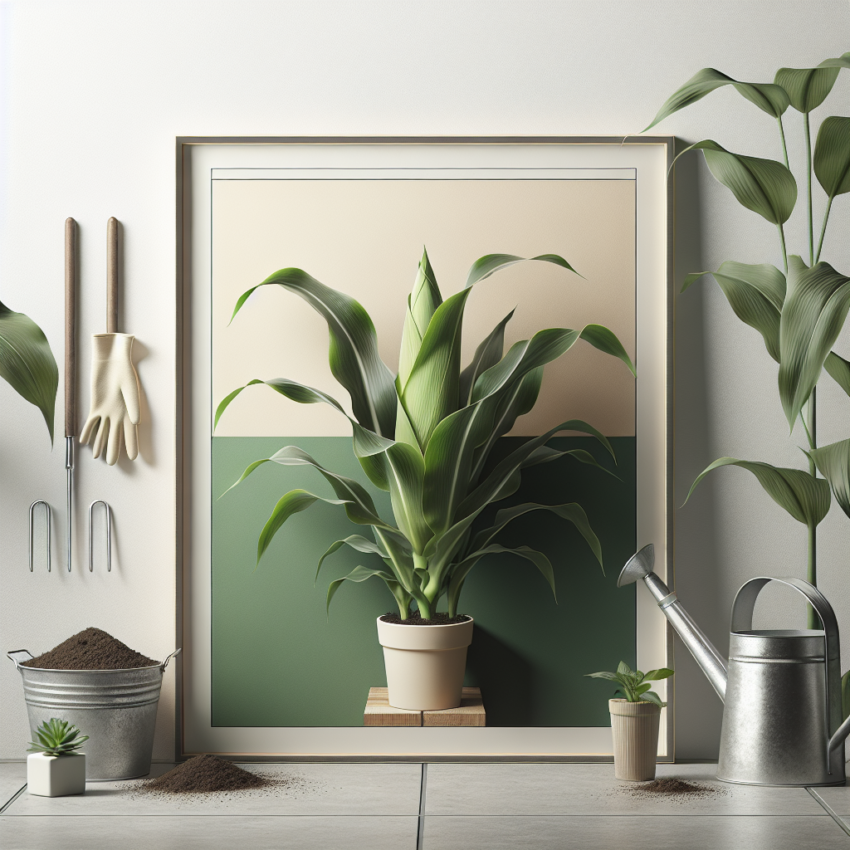
The corn plant, or Dracaena fragrans, is a popular and attractive houseplant known for its woody stalk and vibrant green leaves that bring a touch of tropical charm to your home. Learning about corn plant care is crucial for anyone looking to maintain the health and lush appearance of their plant.
Key Aspects of Corn Plant Care
Corn plants are relatively low-maintenance but require attention to certain aspects to thrive. Here are some essential tips:
Lighting Needs
Corn plants prefer bright, indirect sunlight. They can tolerate lower light levels, but direct sunlight should be avoided, as it can scorch the leaves. If your space lacks adequate natural light, you might consider using artificial grow lights to supplement.
Watering Guidelines
The watering needs for corn plants depend on the environment. It’s best to let the top inch of soil dry out between waterings. Overwatering can lead to root rot, a common issue with indoor plants. During winter months, reduce watering frequency as plant growth slows down.
Humidity and Temperature
Corn plants thrive in humidity levels of 40-50%. If your home is dry, consider using a humidifier or placing the plant near a water tray to increase the moisture in the air. Maintain temperatures between 60-75°F (16-24°C) for optimal growth.
Soil and Fertilization
Use well-draining potting soil to prevent waterlogging. Feeding your corn plant with a balanced liquid fertilizer every six to eight weeks during the growing season can promote healthy growth. Avoid fertilizing during the dormant winter months.
Pruning and Repotting
Prune yellow or dead leaves to keep your plant looking neat and to encourage new growth. Corn plants generally require repotting every two to three years or when roots outgrow their current pot. Choose a larger pot and fresh soil during the repotting process.
Pest Management
Corn plants may succumb to pests like spider mites and mealybugs. Regularly check the leaves and clean them with a soapy water solution if infestations occur. This will help maintain plant health and prevent pest spread.
Proper irrigation is vital for maintaining the health of your corn plant. For more information on water management solutions, consider reading our guide to irrigation installation systems.
Troubleshooting Common Problems
Yellowing leaves, brown tips, and drooping are symptoms of improper corn plant care. Adjust light, water, or humidity levels to remedy these issues. Consistent observation and adjustment play key roles in maintaining your plant’s health.
Supporting Your Plant’s Longevity
For comprehensive understanding and guidance, consider exploring external resources such as the Wikipedia page on Corn for additional details about the corn plant family and its characteristics.
Caring for your corn plant is a fulfilling endeavor when these essential tips are followed. Ensuring proper light, water, humidity, and soil conditions will allow your plant to flourish, bringing beauty and life into your home. With attentive corn plant care, your plant will thrive as a long-term, vibrant companion.
- Corn plants require bright, indirect light.
- Allow soil to partially dry between waterings.
- Maintain moderate humidity and temperatures.
- Regular pruning helps manage plant health.
- Pest monitoring ensures your plant remains vibrant.
What type of light do corn plants need?
Corn plants prefer bright, indirect sunlight. Direct sunlight should be avoided as it can damage the leaves.
How often should I water my corn plant?
Water when the top inch of soil feels dry. Reduce frequency in winter months when the plant’s growth slows.
At what temperature do corn plants grow best?
The ideal temperature range for corn plants is 60-75°F (16-24°C).
How can I increase humidity for my corn plant?
Use a humidifier or place a tray of water nearby. Grouping plants can also help increase local humidity.
What should I do if my corn plant gets pests?
Regularly inspect your plant and use a soapy water solution to clean the leaves if you notice any signs of infestation.