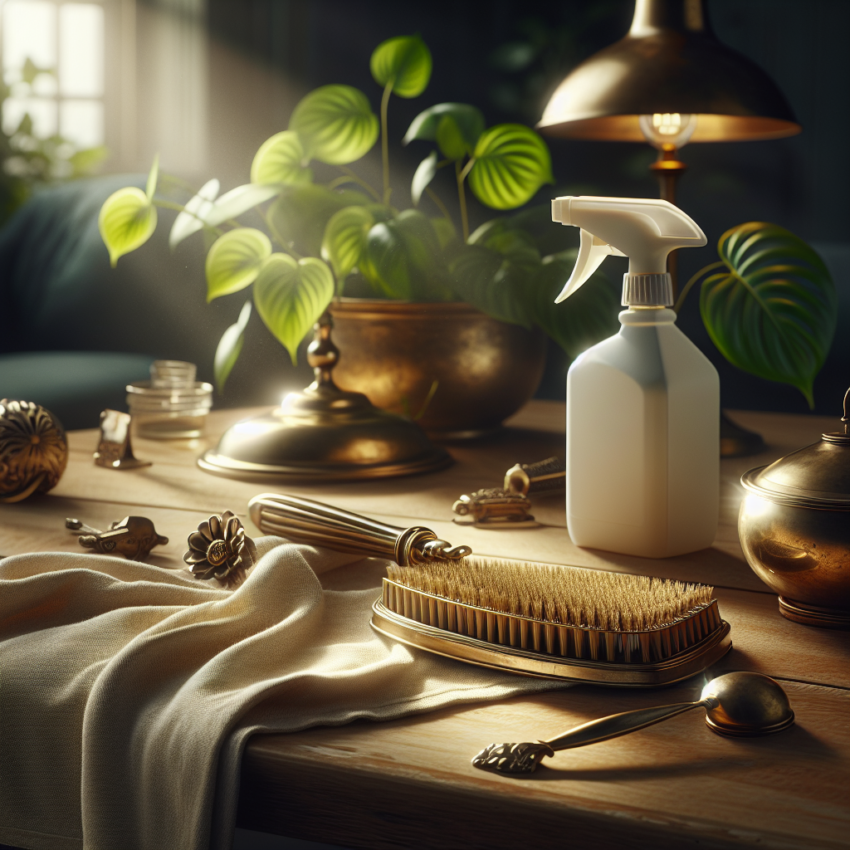
Brass has long been cherished for its warm, golden hue and vintage appeal, making it a popular choice in home decor. However, its allure can quickly fade if not properly maintained. This comprehensive guide shares expert tips and techniques for effective brass cleaner solutions to ensure your brass items remain radiant and impeccable.
Understanding the Need for Brass Cleaner
Over time, exposure to air and moisture can cause brass to tarnish, ruining its luster. A reliable brass cleaner is essential to remove this tarnish and prevent corrosion. From doorknobs to candlesticks, applying the right cleaning method can preserve your brass’s timeless elegance.
Choosing the Right Brass Cleaner
When selecting a brass cleaner, consider the nature of the item and the degree of tarnish. There are several options, ranging from homemade remedies to commercial products. Here, we explore the advantages of each to help you make an informed choice.
Homemade Brass Cleaner Solutions
For those who prefer natural solutions, household ingredients can effectively clean brass. Lemon juice and baking soda are popular choices. Create a paste by mixing the two, then apply it to the brass with a soft cloth. The citric acid in lemon juice helps remove tarnish, while baking soda provides gentle abrasion.
Another option is a vinegar and salt solution. Vinegar’s acetic acid and salt’s abrasive quality can break down tarnish, leaving your brass shiny and polished. Ensure you rinse thoroughly and dry the brass afterward to prevent any residual acidity from causing harm.
Commercial Brass Cleaning Products
For those looking for convenience, commercial brass cleaners are readily available. These are typically formulated to quickly dissolve tarnish and protect the metal. Always follow the product’s instructions carefully and test on a small, inconspicuous area first to ensure it doesn’t damage the brass.
Brass Cleaner Application Techniques
The method of applying the brass cleaner can impact its effectiveness. Start by cleaning the brass surface with a soft cloth to remove any dust or dirt. If using a liquid cleaner or paste, apply it in small sections and use a gentle circular motion. For intricate designs, use a soft-bristled brush to reach into crevices.
After cleaning, rinse the brass thoroughly with warm water and dry immediately with a soft towel. Remaining moisture can encourage further tarnishing.
Preventing Future Tarnish
Once you’ve cleaned your brass items, consider ways to protect them from future tarnish. Regular dusting can minimize the need for more extensive cleaning. For added protection, a light application of a metal preservative or a thin layer of clear lacquer can guard against air and moisture exposure.
Restoring Antique Brass
Antique brass often requires special care to preserve its patina while cleaning. Using a gentler approach, like diluted lemon juice or professional-grade cleaning wipes specifically designed for antiques, can prevent potential damage. It’s advisable to work slowly and conservatively on valuable pieces.
Environmental Considerations of Brass Cleaning
The environmental impact of cleaning supplies is worth considering. Homemade cleaners are generally more eco-friendly than chemical-based commercial cleaners. Furthermore, ensuring proper disposal of cleaning materials can help reduce environmental pollution.
For additional environmental benefits, you might explore natural remedies and eco-friendly solutions that align with sustainable practices for home maintenance.
Conclusion: Keep Your Brass Gleaming
Regularly applying the right brass cleaner can maintain the beauty and longevity of your brass items. Whether you opt for a homemade remedy or a commercial product, the key is consistency and care in cleaning practices. Embrace the noble shine of brass by keeping it in pristine condition.
- Brass requires regular cleaning to maintain its luster.
- Both homemade and commercial brass cleaners are effective if used correctly.
- Apply cleaners using gentle, circular motions and rinse thoroughly.
- Protect cleaned brass from future tarnishing with proper care.
- Environmentally friendly cleaning methods are advisable.
What are the most effective household ingredients for homemade brass cleaner?
Lemon juice and baking soda or a vinegar and salt solution are effective for removing tarnish from brass naturally.
How often should I clean my brass items?
It’s best to clean brass items when you notice tarnish or loss of shine, generally every few months depending on their exposure to moisture and air.
Can I use commercial brass cleaners on antique brass?
Use caution with antique pieces, as aggressive cleaners can damage their patina. Opt for gentler cleaning methods specifically meant for antiques.
Is brass cleaner safe for all types of brass items?
Most cleaners are safe for typical brass items, but always check the product’s suitability for specific types like lacquered or solid brass.
Where can I find more information on eco-friendly cleaning methods?
Numerous resources are available, like this article on sustainable practices, for those interested in environmentally conscious cleaning methods.