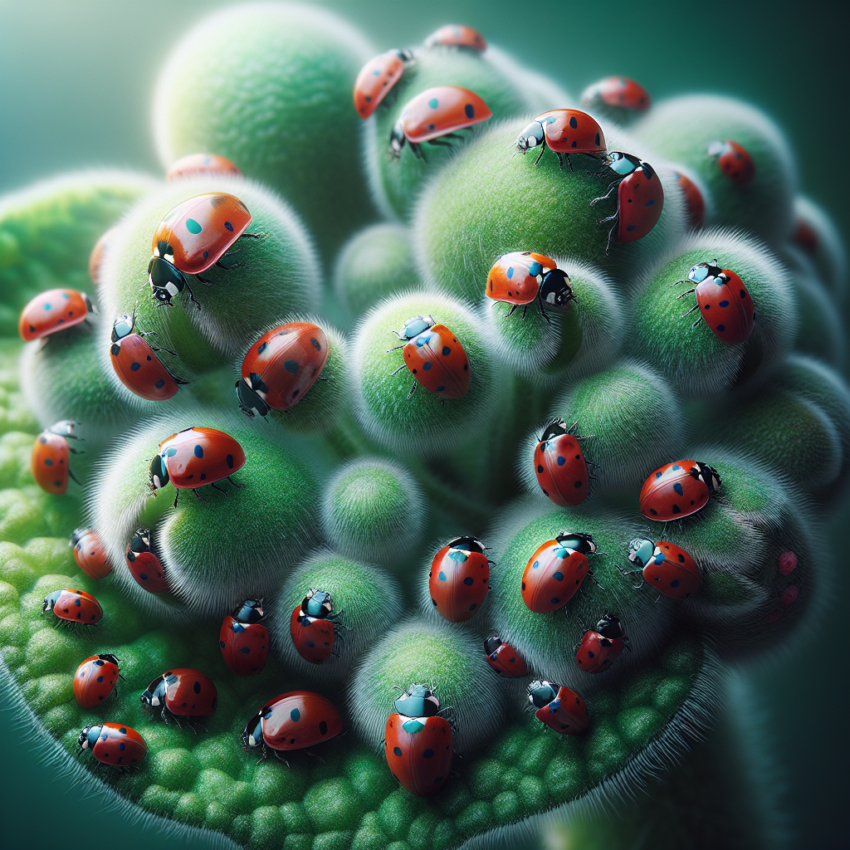
When we think of ladybugs, we often picture the iconic red and black dotted adult insects. However, the baby ladybug, also known as the larva, is a fascinating creature in its own right. Unlike their adult counterparts, these tiny marvels of nature are often overlooked but play a crucial role in the ecosystem.
The Lifecycle of a Baby Ladybug
A baby ladybug goes through several stages before becoming the familiar spotted insect we all recognize. Starting as an egg, the ladybug hatches into a larva. During the larval stage, it looks nothing like its adult form, appearing more like a tiny alligator with an elongated body and tiny legs. This stage is critical for growth, as the larva feeds voraciously on aphids and other small insects.
After several weeks, the larva enters the pupal stage, attaching itself to a leaf or stem. Here, it undergoes a remarkable transformation, emerging as a fully developed adult ladybug. This metamorphosis is a testament to nature’s incredible design.
The Habitat and Diet of Baby Ladybugs
Baby ladybugs are found in various habitats, from forests to gardens, anywhere their food source—primarily aphids—is present. During their larval stage, they can consume hundreds of aphids, playing a vital role in pest control, making them friends to farmers and gardeners alike.
These larvae are indiscriminate feeders and may also consume other available soft-bodied insects. Their diet during this stage helps them accumulate the energy required for metamorphosis and the eventual emergence into adulthood. The presence of sufficient food directly influences their growth and development rates.
Importance of Baby Ladybugs in the Ecosystem
Baby ladybugs are integral to the ecosystem, primarily due to their role as natural pest controllers. By consuming large quantities of aphids and similar pests, they help protect plants from damage, reducing the need for chemical pesticides. This natural pest control is crucial for maintaining ecological balance and supporting sustainable agriculture practices.
Moreover, the presence of ladybug larvae indicates a healthy environment, as they thrive in areas with abundant biodiversity. This highlights their importance not only in agriculture but also in broader environmental health.
Conserving Baby Ladybug Populations
With increasing awareness of the need for ecological preservation, conserving baby ladybug populations is vital. Supporting these insects involves planting diverse flora that encourages the presence of aphid populations, their primary food source. Additionally, reducing pesticide use can help maintain healthy ladybug populations.
Gardeners can encourage ladybugs by planting specific flowers and herbs that attract them, thus fostering a conducive environment for these beneficial insects. Educating communities about the benefits of ladybugs and promoting their natural habitats is essential for ongoing conservation efforts.
Conclusion
The journey from baby ladybug to adult is a fascinating one, filled with growth and transformation. These small creatures significantly impact their ecosystems by controlling pest populations and supporting plant health. Observing and understanding the lifecycle of ladybugs enriches our appreciation of nature’s intricate processes. To learn more about related topics, you might find this article on how upper teeth molars can affect overall health insightful.
- Baby ladybugs, or larvae, are crucial for natural pest control.
- They consume significant amounts of aphids and other pests.
- Ladybug larvae indicate a healthy ecosystem.
- Conserving their populations aids in sustainable agriculture.
- Encouraging natural habitats supports ladybug conservation.
FAQ
What does a baby ladybug look like?
Baby ladybugs, in their larval stage, appear elongated with segmented bodies and small legs, resembling tiny alligators rather than the round dotted adults.
Do baby ladybugs help in pest control?
Yes, baby ladybugs consume aphids and other small pests in large numbers, making them excellent natural pest controllers in gardens and farms.
Where can you find baby ladybugs?
Baby ladybugs can be found in environments where their primary food sources, such as aphids, are abundant, including gardens, fields, and forests.
How can I attract baby ladybugs to my garden?
You can attract ladybugs by planting diverse flora that supports aphid populations and avoiding the use of chemical pesticides which can harm ladybug eggs and larvae.
Are ladybugs beneficial for the environment?
Yes, ladybugs are beneficial as they control pest populations naturally, reducing the need for chemical interventions and promoting ecological balance.
For more detailed information on this and related topics, check out this comprehensive article on ladybirds on Wikipedia.