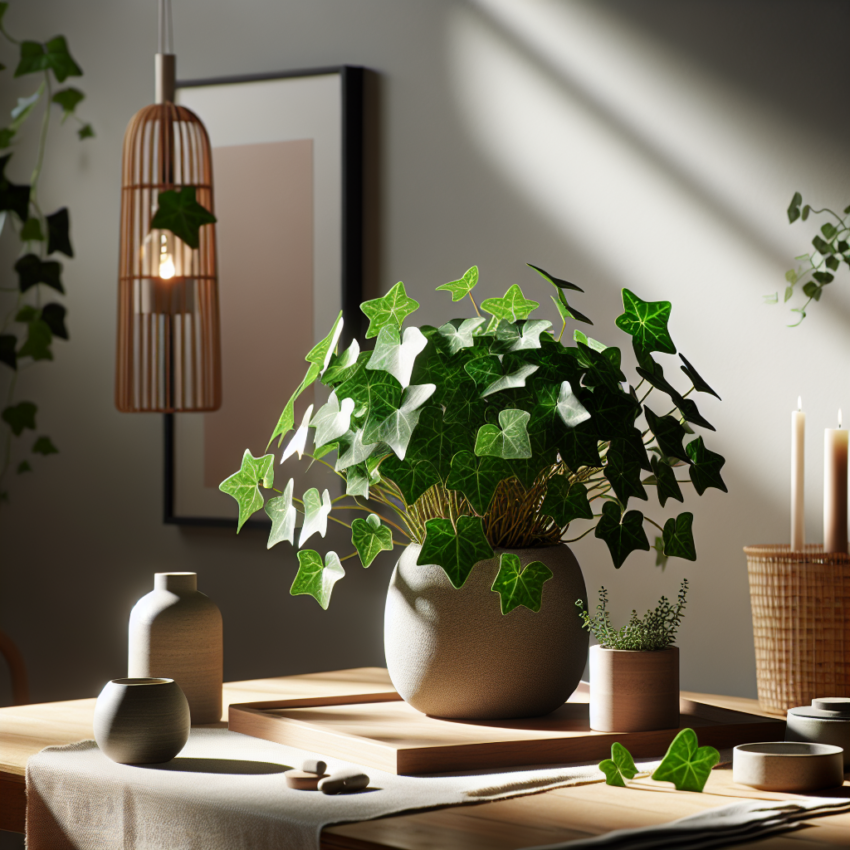
If you’re looking to introduce a vibrant and versatile plant into your home or garden, the Swedish ivy is a strong contender. Known for its lush foliage and ease of care, Swedish ivy not only enhances the aesthetics of your living space but also offers several hidden benefits for your well-being. Let’s explore what makes this plant a valuable addition to your home environment and how it can subtly enhance both your mental and physical health.
The Benefits of Swedish Ivy in Your Living Space
Swedish ivy, known scientifically as Plectranthus verticillatus, is popular among houseplant enthusiasts due to its trailing stems and shiny leaves. This attractive plant is ideal for hanging baskets or as ground cover. Notably, Swedish ivy contributes to improved indoor air quality. Much like other common houseplants, it can help filter indoor air pollutants, providing a fresher atmosphere. By adding it to your home, you might notice an improved mood and reduced stress levels, thanks to cleaner air and its calming green presence.
Air Purification and Humidity Control
Plants like the Swedish ivy have been shown to improve indoor air quality by absorbing pollutants such as formaldehyde, benzene, and xylene. This is particularly beneficial in urban settings where indoor pollution is a concern. Additionally, houseplants release moisture vapor, which can help increase humidity levels in dry environments, supporting skin health and respiratory function.
Enhancing Mood and Reducing Stress
The presence of greenery in your living space can have a profound impact on mental health. Studies indicate that interacting with plants may reduce feelings of stress and anxiety. Swedish ivy, with its pleasing aesthetics and easy maintenance, suits this purpose well. Having it in your home may foster a sense of tranquility and relaxation, potentially enhancing your overall well-being.
Swedish Ivy: Benefits Beyond Aesthetics
While the visual appeal of Swedish ivy is undeniable, the plant offers more than just beauty. It’s known to have been used in traditional practices to support well-being. However, it’s essential to approach such uses with understanding and moderation, as more scientific study is needed to confirm these properties.
Potential in Natural Remedies
Historically, plants have been utilized in various forms for symbolic, decorative, and remedial purposes. While Swedish ivy itself is more prominently known for its ornamental value, it has been part of households traditionally for its air-purifying qualities. Incorporating natural elements into your home could complement other natural remedies you might be exploring, such as the ones discussed in our article on natural approaches to menopause brain fog.
Pet-Friendly Plant Option
A significant advantage of Swedish ivy is that it is non-toxic to pets, making it a safe choice for households with animals. This can provide peace of mind for pet owners who want to enjoy the benefits of houseplants without risking their furry companions’ health.
How to Care for Swedish Ivy
Caring for Swedish ivy requires minimal effort, making it perfect for both novice and experienced plant enthusiasts. This resilient plant prefers indirect sunlight, well-drained soil, and moderate watering. It’s an excellent option for those who enjoy having plants at home but lack time for intensive gardening.
Ideal Growing Conditions
Swedish ivy thrives in temperate conditions, ideally between 60-75°F. It prefers bright, indirect light but can tolerate low light conditions, which makes it a versatile plant for various indoor settings. Regular pruning will keep the plant lush and prevent it from becoming leggy.
Simple Maintenance Tips
To keep your Swedish ivy healthy, water it when the top inch of soil feels dry, but avoid letting the plant sit in standing water. Fertilize once a month during the growing season with a balanced houseplant fertilizer. Regular cleaning of leaves will help prevent pests and promote optimal growth.
Incorporating Swedish ivy into your home can be both rewarding and beneficial. By improving air quality and contributing to a soothing environment, Swedish ivy supports both your physical space and mental well-being.
- Swedish ivy enhances indoor aesthetics and air quality.
- The plant is easy to care for, making it suitable for any home.
- It has potential mood-enhancing and health-supporting benefits.
- Non-toxic to pets, providing a safe choice for animal households.
- Thrives in a variety of lighting and temperature conditions.
Is Swedish ivy easy to grow for beginners?
Yes, Swedish ivy is very beginner-friendly. It requires minimal care, thrives in indirect light, and can tolerate occasional neglect.
Can Swedish ivy improve air quality in my home?
Swedish ivy, like many houseplants, can help filter indoor air pollutants, thus contributing to cleaner air and a healthier living environment.
Is Swedish ivy safe for pets?
Yes, Swedish ivy is non-toxic to pets, making it a safe plant choice for households with animals.
Does Swedish ivy need a lot of sunlight?
Swedish ivy prefers bright, indirect light but can adapt to lower light conditions, making it a flexible option for different environments.
How often should I water Swedish ivy?
Water your Swedish ivy when the top inch of soil is dry. Avoid overwatering to prevent root rot.