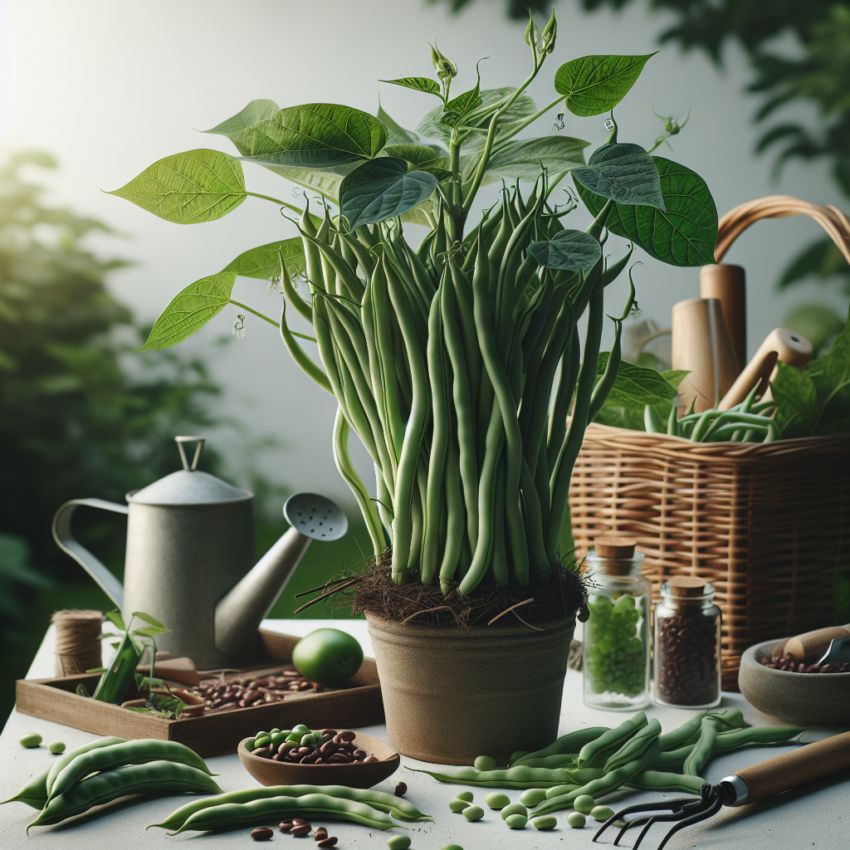
Growing your own green bean plant can be a rewarding and sustainable way to enjoy fresh produce right from your garden. Whether you’re a seasoned gardener or just starting out, there’s always something new to learn about cultivating these versatile plants. In this article, we’ll explore the secrets to thriving green bean cultivation, from planting tips to harvesting best practices.
Essential Tips for Cultivating a Green Bean Plant
To start successfully growing your green bean plant, you need to consider the climatic conditions, soil type, and available space. Green beans are sensitive to frost, so it’s best to plant them after the last frost date in your area. They thrive in well-drained soil rich in organic matter.
Choosing the Right Variety
Green beans come in a variety of shapes and sizes. Bush beans are compact and grow well in small spaces or container gardens, while pole beans require more space and vertical support. Choose the type that best suits your gardening conditions and personal preferences.
Soil Preparation and Planting
Prepare the soil by incorporating compost or well-rotted manure to enhance its nutrients and drainage capability. Green beans prefer slightly acidic to neutral pH levels. Plant the seeds about 1 inch deep and 2-4 inches apart. For pole beans, ensure your stakes or supports are in place.
For more detailed guidance on preparing your garden infrastructure, such as installing irrigation systems, check out our comprehensive guide.
Watering and Fertilization
Green beans require consistent moisture, especially during flowering and pod development. However, avoid waterlogging to prevent root diseases. A drip irrigation system can efficiently provide the necessary moisture. Fertilize sparingly since excessive nutrients can lead to lush foliage with fewer beans.
Pest and Disease Management
Monitor your plants regularly for common pests such as aphids, spider mites, and bean beetles. Handpicking pests or using insecticidal soap can help manage infestations. Crop rotation and good garden hygiene can also minimize disease risks.
Harvesting Green Beans
Harvest your green beans when they are tender and about the size of a pencil. Frequent harvesting encourages more pod production. This stage typically occurs 50-60 days after planting, depending on climate conditions and variety.
Storing and Preserving
Consume freshly picked green beans promptly to enjoy their full flavor. For longer storage, consider blanching and freezing them, which preserves their nutritional value and taste. Canning is another popular option for those who enjoy home-preserved foods.
For a broader context on how green beans contribute to a balanced diet, and their health benefits, you may find further information on the Health Wikipedia page.
Conclusion
Cultivating a green bean plant can be a fulfilling endeavor that provides fresh, delicious produce while enhancing your gardening skills. With the right conditions and care, you can enjoy bountiful harvests throughout the growing season.
- Green beans need a sunny location and well-drained soil enriched with organic matter.
- Bush beans are ideal for small spaces, while pole beans require support structures.
- Consistent watering and minimal fertilization are key to healthy growth.
- Practicing crop rotation and regular monitoring helps manage pests and diseases.
- Regular harvesting encourages continuous bean production.
What are the main types of green beans?
There are primarily two types of green beans: bush beans, which grow in a compact form, and pole beans, which require stakes or trellises for support.
How much sunlight do green beans need?
Green beans require full sun, meaning they need at least 6 to 8 hours of direct sunlight daily for optimal growth.
What is the best soil for growing green beans?
Green beans thrive in well-drained soil that is rich in organic matter, with a slightly acidic to neutral pH level.
How often should I water my green bean plants?
Green bean plants need consistent watering, especially during flowering and pod formation. However, avoid overwatering, which can lead to root diseases.
What are some common pests and how can I control them?
Common pests include aphids, spider mites, and bean beetles. Regular monitoring and using natural insecticides like insecticidal soap can help control these pests.