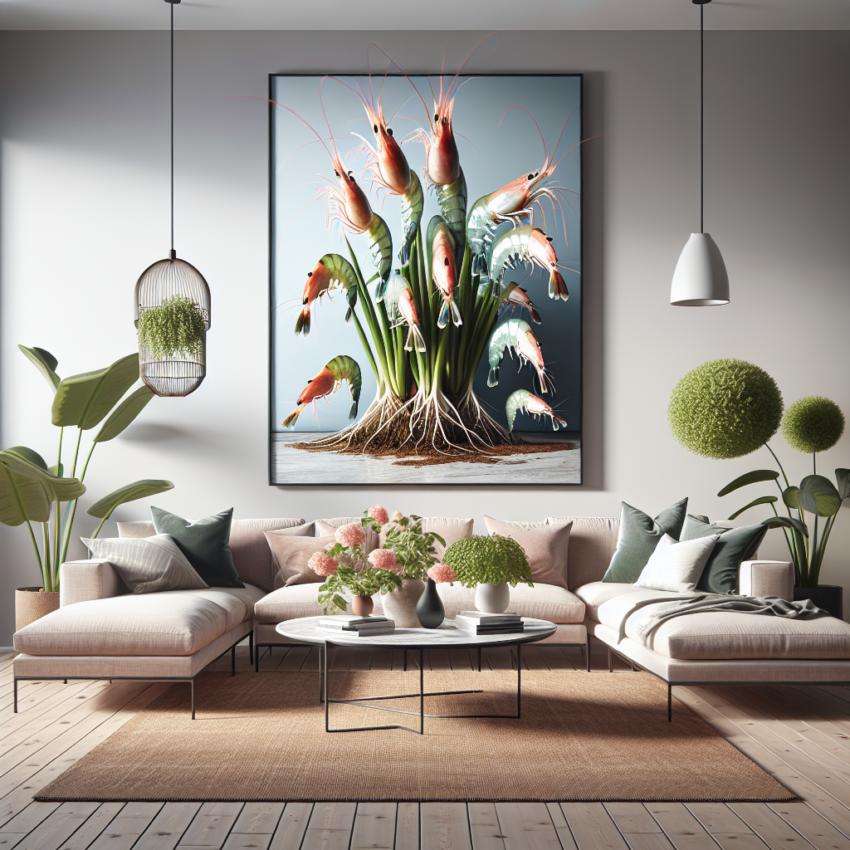
In the quest for unique home garden additions, the shrimp plant has emerged as a beloved choice for many plant enthusiasts. With its striking appearance and easy maintenance, the shrimp plant can enhance the aesthetic appeal of any home garden or indoor space. This plant, known for its distinctive shrimp-like bracts, not only adds vibrant color but also creates a tropical feel that can transform your environment.
The Versatility of the Shrimp Plant
The shrimp plant, scientifically known as Justicia brandegeeana, thrives in various settings, from garden beds to indoor pots. Its versatility makes it a favorite among both seasoned gardeners and beginners. The plant’s unique blooms, which resemble shrimps, are not only visually appealing but also attract pollinators like hummingbirds, enhancing your garden’s ecosystem.
Caring for Your Shrimp Plant
Despite its exotic look, the shrimp plant is surprisingly easy to care for. It prefers well-drained soil and thrives in partial shade, making it perfect for those less sunny spots in your garden. Regular watering is essential, especially during the hot months, but make sure the soil doesn’t retain excess water to prevent root rot.
Propagation and Growth
Propagating shrimp plants is a straightforward process that can help fill your garden with this captivating plant without much expense. The most common method is taking cuttings from a mature plant. Simply cut a healthy stem, remove the lower leaves, and plant it in moist soil. Ensure the environment is warm and humid to encourage root growth.
For those interested in learning more about how plants can support wellness, you might find our page on natural solutions for menopause brain fog useful.
Designing with Shrimp Plants
The shrimp plant’s vibrant colors and unique shape can make it a focal point in garden design. Pair it with complementary plants such as ferns and hostas to create a lush, tropical look. Additionally, using shrimp plants as container plants can brighten porches or patios with their colorful blooms.
Pests and Diseases
While generally hardy, shrimp plants can fall prey to pests like aphids and spider mites. Regular inspection and prompt treatment with natural insecticides can keep these pests at bay. Overwatering is the most common issue leading to diseases, typically causing leaf drop or yellowing. Maintaining a consistent watering schedule can mitigate these risks.
For further information about plant biology and ecological impact, you might visit this health-related resource for additional educational insights.
The shrimp plant can be an exquisite addition to any home or garden, bringing unique charm and a touch of the tropics. Whether you’re an experienced gardener or just starting, this versatile plant offers beauty and simplicity.
- The shrimp plant is easy to care for and versatile in various settings.
- It prefers partial shade and well-drained soil.
- The plant is easily propagated through cuttings.
- Shrimp plants attract pollinators like hummingbirds.
- Regular care can prevent common pests and diseases.
What is a shrimp plant?
The shrimp plant is an evergreen shrub known for its unique, shrimp-like blossoms and is a popular choice for both indoor and outdoor gardens.
How do you care for a shrimp plant?
Shrimp plants require well-drained soil, partial shade, and regular watering. It’s important to avoid overwatering as this can lead to root rot.
Can shrimp plants be grown indoors?
Yes, shrimp plants can thrive indoors provided they receive ample indirect sunlight and are kept in a warm, humid environment.
What attracts pollinators to shrimp plants?
The vibrant colors and nectar of shrimp plants attract pollinators such as hummingbirds, which can help improve the health and vibrancy of your garden.
Are shrimp plants prone to any diseases?
Shrimp plants can be affected by pests like aphids and spider mites, especially if overwatered or subjected to excessive humidity. Regular care and inspection can help prevent these issues.