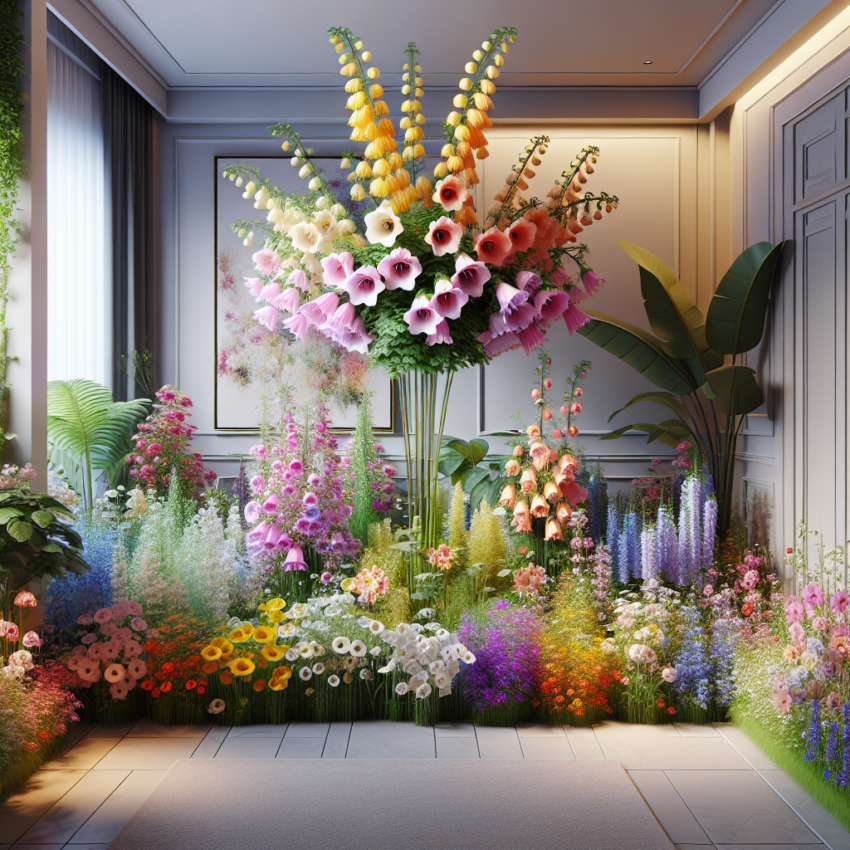
Bell flowers, with their charming and delicate appearance, have long been cherished in gardens for both their beauty and versatility. These dainty blossoms are known for their bell-shaped blooms that can add an exquisite touch to any home or outdoor space. In this article, we will explore the many benefits of incorporating bell flowers into your living environment and provide tips on how to care for them effectively. Whether you are considering enhancing your garden or seeking to add a splash of color indoors, bell flowers are a delightful option.
The Charm and Beauty of Bell Flowers
Bell flowers, also known as Campanula, come in various shapes and sizes, offering a wide range of choices for gardeners and decorators alike. Their vibrant colors, extending from deep purples to gentle whites, can complement any garden setup. Besides aesthetics, bell flowers attract pollinators such as bees, making them an ecological addition to any landscape.
Caring for Your Bell Flowers
For those who wish to cultivate bell flowers, understanding their care needs is crucial. These plants prefer well-drained soil and a sunny to partially shaded environment. Regular watering is essential, especially when they are actively growing. If you’re interested in learning more about optimal watering techniques, consider checking out this guide on irrigation systems.
Soil and Planting Conditions
Bellflowers thrive best in moderately fertile soil, ideally with a neutral to slightly acidic pH. Before planting, ensure the soil is loose, which allows roots to penetrate easily and receive the necessary nutrients and water. Planting in well-prepared soil can also aid in sustaining their health throughout their growing season.
Pruning and Maintenance
Regular pruning is essential to keep your bellflowers healthy and aesthetically pleasing. Deadhead any wilting blooms to promote further growth and flowering. During the fall, cut back the foliage to ground level to prepare the plant for the winter months. This will help the plant return robustly in the spring.
Utilizing Bell Flowers Indoors
Bell flowers aren’t limited to outdoor spaces. They can also enhance your indoor environment, providing a fresh and energizing atmosphere. Placing them in aesthetically pleasing pots by a sunny window can brighten any room. They require similar care indoors—ample sunlight and consistent watering.
Benefits of Bell Flowers Indoors
Beyond their visual appeal, bell flowers can improve air quality by acting as natural air purifiers. Their scent can also have calming effects, making them an excellent choice for living rooms, kitchens, or even bathrooms.
Ecological Benefits of Bellflowers
As previously mentioned, bell flowers serve as an attractive sight for pollinators such as bees and butterflies. These plants play a crucial role in supporting local ecosystems by providing a food source for these insects. This interaction can enhance the biodiversity in your garden, promoting a healthier and more vibrant environment.
Environmental Impact
Bell flowers, particularly when chosen wisely and combined with native plants, reduce the need for chemical pesticides and fertilizers. By creating a more balanced ecosystem, these plants can foster natural pest control and contribute to sustainable gardening practices.
Cultural Significance
In addition to their ecological roles, bell flowers have cultural meanings in various societies. They represent gratitude and everlasting love, making them a meaningful addition to special garden spots or as part of bouquets given on memorable occasions.
By incorporating bell flowers into your home or garden, you are adding beauty and supporting ecological health. Whether used decoratively or environmentally, they offer numerous benefits that can enhance your living space. For more information on health and gardening, you might find the general overview on health helpful.
Takeaways
- Bell flowers are versatile, providing aesthetic and ecological benefits.
- They thrive in well-drained soil with appropriate sunlight and watering.
- Regular maintenance, like pruning and deadheading, promotes health and growth.
- Suitable for both indoor decoration and outdoor gardens.
- They support pollinators and enhance biodiversity.
What is the ideal growing environment for bell flowers?
Bell flowers thrive best in well-drained soil with medium fertility and a sunny to partially shaded position. Consistent watering during their growth season is essential for their health.
How can bell flowers support local ecosystems?
Bell flowers attract pollinators like bees and butterflies, which are vital for maintaining biodiversity. They help create a balanced garden ecosystem, reducing the need for chemical pesticides.
What are the cultural meanings of bell flowers?
Bell flowers often symbolize gratitude and eternal love. They have been part of cultural traditions and bouquets, providing a meaningful addition to gardens.
Can bell flowers be grown indoors?
Yes, bell flowers can be successfully grown indoors. They need sufficient sunlight, making sunny windows an ideal spot, and regular watering to stay healthy.
Are there any specific benefits of having bell flowers indoors?
Indoor bell flowers can improve air quality and provide a pleasant fragrance that promotes relaxation. They are an attractive addition to any room, providing both aesthetic and health benefits.