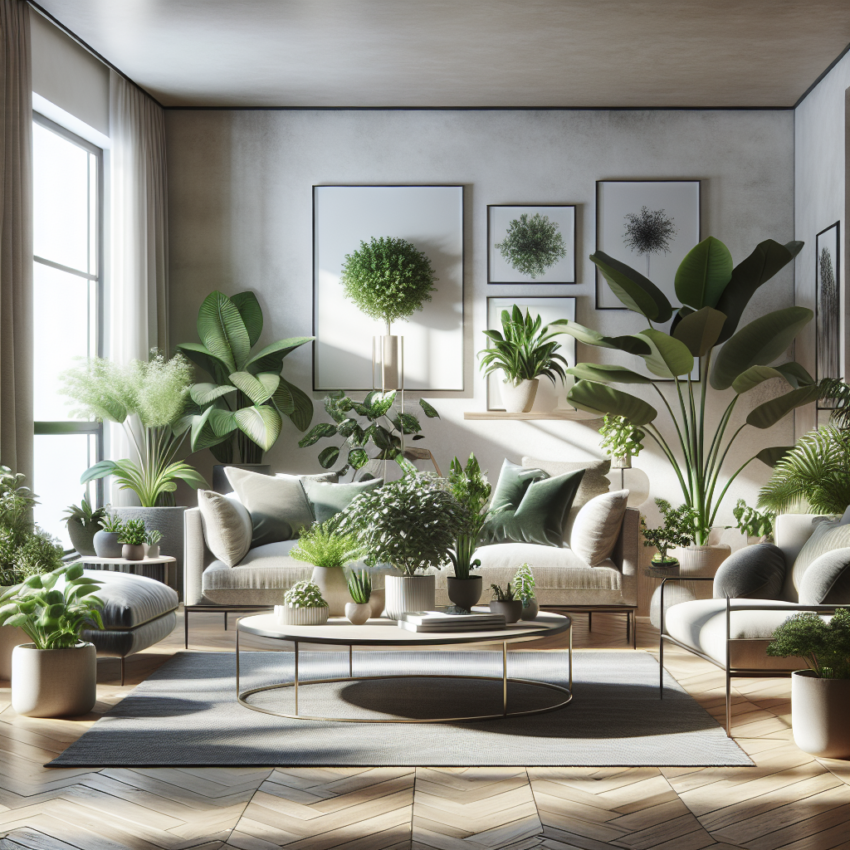
Transforming your home into a verdant oasis doesn’t have to hinge on abundant sunlight. If you’re looking for ways to enhance your indoor spaces with greenery, consider introducing low light houseplants. These adaptable plants thrive even in dim environments, making them perfect for spaces with limited natural light.
Why Choose Low Light Houseplants?
Low light houseplants are ideal for individuals who want to decorate their homes or offices with greenery but may not have ample sunlight available. These plants are perfect for rooms that receive indirect sunlight or areas that are far from windows. In addition to their adaptability, low light houseplants also help improve indoor air quality and can lend a cozy, vibrant feel to your space.
Top Low Light Houseplants to Consider
1. Snake Plant (Sansevieria)
The snake plant is renowned for its striking vertical leaves and resilience in less-than-ideal conditions. It requires minimal maintenance and can survive in both shaded corners and brightly lit areas. Moreover, its air-purifying qualities make it a popular choice for improving indoor air.
2. Devil’s Ivy (Pothos)
Also known as pothos, Devil’s Ivy is a robust plant that can thrive in various lighting conditions. Its cascading vines look stunning hanging from a shelf or planted in a pot. This plant is great for beginners, as it can tolerate neglect and continues to grow even if watering is occasional.
3. ZZ Plant (Zamioculcas zamiifolia)
The ZZ Plant is almost indestructible and perfectly suited for low light environments. With its glossy leaves and slow growth, the plant is an excellent option for anyone seeking a long-term indoor plant solution. It also acts as a natural air filter, promoting a healthier living space.
4. Peace Lily (Spathiphyllum)
Peace Lilies are not only stunning but also remarkably easy to care for. They can flourish in low to medium light and produce beautiful white blooms throughout the year. These plants are known for their ability to remove toxins from the air, making them a lovely addition to any room.
5. Spider Plant (Chlorophytum comosum)
The spider plant is a classic choice for low light areas. Its arching leaves create a beautiful display, and it’s simple to propagate, allowing you to expand your indoor garden quickly. Known for its efficiency in reducing indoor pollutants, the spider plant is both practical and attractive.
Styling Your Home with Low Light Houseplants
Enhancing your living space with low light houseplants can be as simple as placing them in decorative pots or pairing them with other indoor elements. Utilize macrame hangers for smaller plants or consider grouping different species together for a striking visual effect. To infuse even more personality into your home décor, learn how to decorate your home with vintage maps for a timeless touch.
Maintaining Low Light Houseplants
While low light houseplants are relatively easy to care for, they still require some attention to thrive. Ensure that you water them appropriately; too much or too little can affect their health. Consider dusting their leaves regularly to enable proper photosynthesis. Additionally, be mindful of temperature fluctuations that might impact their well-being.
Enhancing Well-being with Houseplants
Incorporating plants into your home environment not only enhances aesthetics but also promotes overall well-being. According to the World Health Organization, having plants indoors can contribute to mental health by reducing stress and boosting mood. By adding low light houseplants, you’re investing in a healthier and happier ambiance.
Whether you’re decorating an office or simply want to bring some life into your home, low light houseplants provide an accessible and appealing solution. Remember to select plants that match your lifestyle and commit to regular care routines to ensure they flourish in your environment.
- Low light houseplants thrive in indirect sunlight and shaded areas.
- They can improve indoor air quality and ambiance.
- Popular choices include snake plant, pothos, and peace lilies.
- Easy maintenance makes them suitable for beginners.
- Perfect for adding greenery to any space lacking natural light.
FAQ
What are some good beginner low light houseplants?
Snake plants, pothos, and ZZ plants are great for beginners, requiring minimal care and thriving in low light.
How often should I water my low light houseplants?
Most low light houseplants should be watered when the top inch of soil feels dry. Overwatering can be harmful, so always check soil moisture before watering.
Can low light houseplants survive in total darkness?
While these plants are tolerant of low light, they still need some indirect natural light to survive. They cannot thrive in complete darkness indefinitely.
How do I know if my plant is getting too much or too little light?
Signs of too little light include yellowing leaves and slow growth, while too much light can cause leaf burn and crisp edges. Adjust their position accordingly.
Do low light houseplants require fertilization?
While not frequently needed, fertilizing every few months during the growing season can support healthy growth. Opt for a balanced, water-soluble fertilizer.