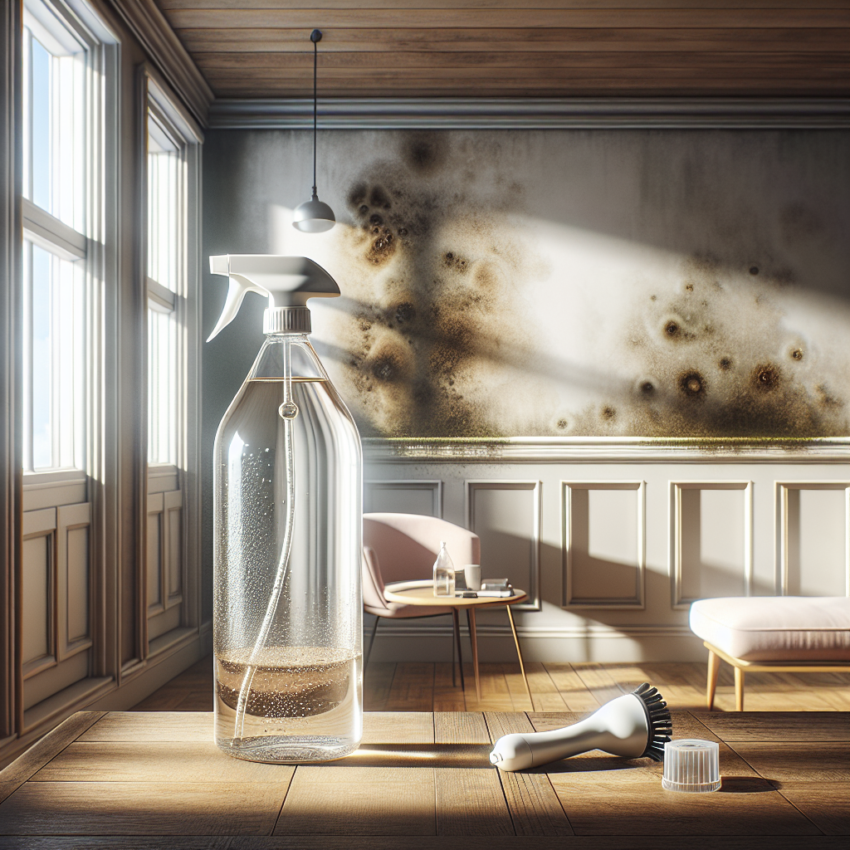
Addressing the problem of mold in your home can be frustrating and complicated. Many homeowners look for natural remedies to tackle this common issue, often asking, “does vinegar kill mold?” Vinegar, a natural byproduct of ethanol, is frequently hailed as an effective cleaning agent with antimicrobial properties. But how effective is it in eliminating mold, particularly in household environments?
Does Vinegar Kill Mold Effectively?
White vinegar, which contains around 5% acetic acid, is recognized for its cleaning and disinfecting qualities. This mild acid may help eliminate some mold species by breaking down their cellular structure, making it easier to clean and remove. When contemplating if vinegar can effectively target mold, context is crucial—it may work well on smaller, less pervasive infestations.
The challenge of mold is its persistence and potential health hazards. While vinegar can be a useful tool, it may not suffice in all situations, particularly with larger mold colonies or in environments where moisture is constant. In such instances, professional mold remediation services may be advisable.
How to Use Vinegar for Mold Removal
If you’ve decided to use white vinegar for mold removal, follow these steps:
- Pour undiluted white vinegar into a spray bottle.
- Spray generously onto the affected area.
- Let the vinegar sit for at least an hour, allowing it to penetrate the mold.
- Scrub the area using a brush or sponge.
- Rinse and wipe clean with warm water.
It’s noted that vinegar’s acidic nature can damage certain materials, like natural stone, so a test spot is advised.
Combining Vinegar with Other Natural Solutions
For a more robust approach, vinegar can be combined with other natural agents. Hydrogen peroxide, tea tree oil, and baking soda are popular adjuncts that some people use in conjunction with vinegar. However, always exercise caution and know that combining vinegar with certain substances, like bleach, can be dangerous and should be avoided.
Vinegar, A Natural Solution: Pros and Cons
Those considering vinegar for mold often ask, “Will vinegar kill mold consistently?” The pros of using vinegar are its non-toxicity, affordability, and availability. However, the cons include its potential inefficacy on larger infestations and its odor, which some find unpleasant.
In addition to its direct use, vinegar can help prevent future mold by reducing the mold’s ability to thrive in susceptible areas.
Exploring Other Natural Remedies
Alongside vinegar, numerous other natural remedies are often explored for their mold-fighting potential. Tea tree oil, with its antifungal properties, and baking soda, known for moisture absorption, are popular choices. If you’re searching for natural treatments beyond vinegar, you might find our article on natural remedies and supplements informative, though it covers different health concerns.
When to Seek Professional Help
While natural solutions like vinegar are appealing, understanding when to call in professionals is essential. Large-scale mold infestations, extensive water damage, or persistent health issues necessitate expert intervention. Such scenarios require thorough inspection and removal by certified mold remediators who possess the necessary equipment and experience to handle delicate and potentially hazardous conditions.
Additional Resources on Mold and Health
For more detailed insights into mold, its health effects, and the efficacy of natural solutions like vinegar, trusted sources such as WHO offer comprehensive information. It’s crucial to remain informed about the evolving scientific perspectives on mold management and health implications.
So, can vinegar kill mold? While vinegar has demonstrated some effectiveness, it’s best viewed as part of a broader strategy. Regular home maintenance, moisture control, and, when necessary, professional guidance are important facets of keeping your home mold-free.
- Vinegar can help in eliminating some mold types but may not work on all.
- Always test vinegar on a small area to avoid material damage.
- Consider combining vinegar with other natural remedies for better results.
- Consult professionals for large or hazardous mold infestations.
- Stay informed on mold and health effects through credible resources.
FAQ
Can vinegar eliminate all mold species?
Vinegar can kill some types of mold but may not be effective against all species or in severe infestations.
Is it safe to mix vinegar and bleach for mold removal?
No, mixing vinegar and bleach creates toxic fumes and should be avoided.
How long should I leave vinegar on mold before cleaning?
It is best to leave vinegar on the mold for at least an hour before scrubbing and rinsing the area.
Can vinegar prevent mold regrowth?
Vinegar can help prevent mold regrowth by creating an inhospitable environment, but moisture control is key to long-term prevention.
What are the signs I should call a professional for mold removal?
If the mold covers a large area, there’s significant water damage, or health issues arise, it’s advisable to seek professional mold remediation.