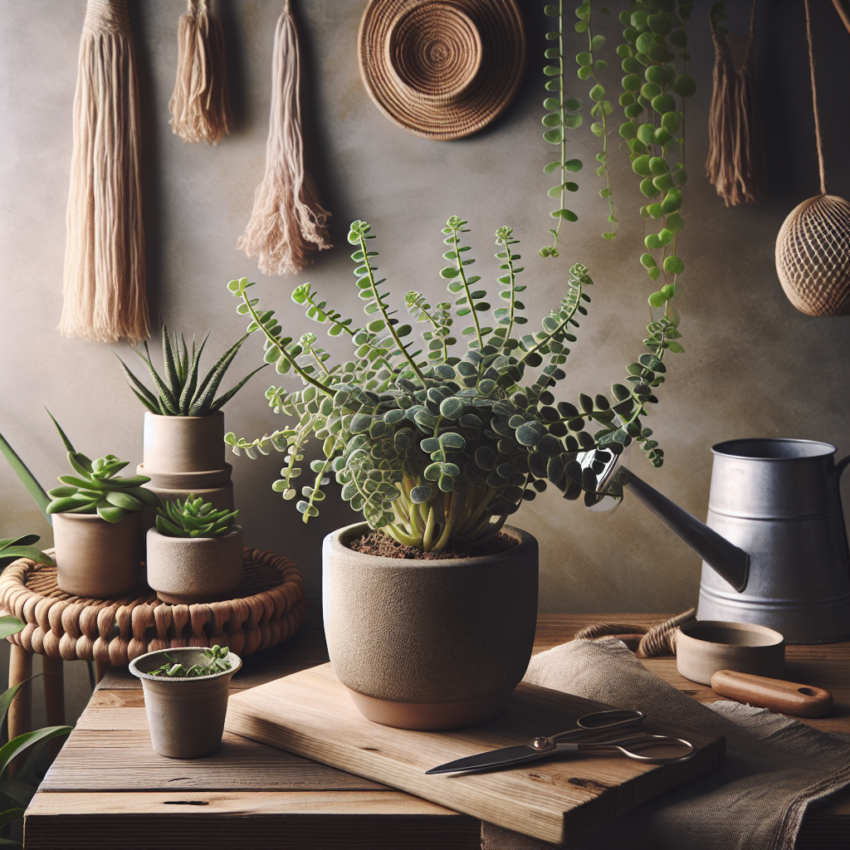
Welcome to the fascinating world of the string of turtles, a visually appealing and easy-to-care-for plant that can enhance any indoor garden. Whether you’re a seasoned plant enthusiast or a beginner looking for low-maintenance greenery, the string of turtles could be the perfect fit for your space. Known for its turtle shell-like appearance and trailing vines, this plant is both unique and charming.
Understanding the String of Turtles
The string of turtles, scientifically known as Pepperomia prostrata, is a semi-succulent native to the rainforests of Brazil. Its small, round leaves closely resemble the shells of tiny turtles as they cascade down the vines. This plant thrives in a well-lit environment with indirect sunlight and is loved for its distinctive aesthetic appeal.
Caring for Your String of Turtles
To ensure your string of turtles flourishes indoors, it’s essential to cater to its specific needs. Here are some tips to maintain its vibrant health:
Light Requirements
The string of turtles thrives in bright, indirect light. Direct sunlight can scorch its leaves, so it’s best to place it near a north or east-facing window. If natural light is limited, consider using a grow light to provide the necessary illumination.
Watering Tips
One of the most crucial aspects of caring for a string of turtles is learning the correct watering routine. Like many succulents, allowing the soil to dry out completely before the next watering is key. Overwatering can lead to root rot, which can severely damage the plant.
Soil and Potting
Choosing the right soil is imperative. A well-draining potting mix designed for cacti and succulents is recommended. Additionally, ensure your pot has drainage holes to prevent water from accumulating at the bottom.
Promoting Healthy Growth
To encourage your string of turtles to grow healthily and remain lush, consider fertilizing it sparingly during its growing season. A balanced, water-soluble fertilizer applied once a month during spring and summer is sufficient. Avoid over-fertilizing, as this can harm the plant.
Pruning and Maintenance
Pruning is not frequently required for the string of turtles but can be done to remove any dead or unhealthy foliage. This will also help maintain its appealing shape and encourage new growth.
Propagation Techniques
Propagating the string of turtles can be a rewarding experience. This can be done by cutting several inches of a healthy vine, removing some of the lower leaves, and placing it in water or directly into the soil. New roots will begin to form within a few weeks. For more insights on growth and development, explore the concept of neuroplasticity.
Common Challenges and Solutions
Even though the string of turtles is relatively easy to care for, it can encounter several challenges, most of which are related to watering habits and lighting conditions.
Pest Control
Spider mites and mealybugs are common pests that may infest your string of turtles. Regularly inspect your plant’s leaves and stems, and use insecticidal soap or neem oil to manage infestations immediately.
Yellowing Leaves
Yellow leaves can indicate overwatering or a lack of nutrients. Adjust your watering schedule and consider a fertilization routine to resolve this issue.
Leaf Drop
Excessive leaf drop can be alarming but is usually a temporary response to environmental changes. Ensure that your plant is in a stable environment with appropriate light and humidity levels.
Bringing the String of Turtles into Your Home
Introducing a string of turtles can add a whimsical touch to your indoor decor. Its distinctive foliage and minimal maintenance requirements make it ideal for hanging baskets or trailing along shelves. Beyond its visual appeal, the string of turtles can create a relaxing environment and boost your mood.
For more information about the string of turtles and its unique characteristics, visit this detailed resource on Wikipedia.
When cared for properly, the string of turtles will reward you with its splendid, cascading foliage, making it a cherished addition to any plant collection.
- The string of turtles, or Pepperomia prostrata, is a low-maintenance plant perfect for indoor settings.
- Ensure bright but indirect light, allowing soil to dry out between waterings.
- Use a well-draining potting mix to prevent waterlogging and root rot.
- Propagate with ease through cuttings placed in water or soil.
- Stay vigilant for pests, adjusting care as needed to maintain plant health.
Frequently Asked Questions
How often should I water my string of turtles?
Water your string of turtles when the top half of the soil feels dry to the touch. It’s better to underwater than overwater.
What is the best location for my string of turtles?
Place it in a location with bright, indirect light, such as near an east or north-facing window.
Can I grow the string of turtles in artificial light?
Yes, you can use a grow light if natural lighting conditions are inadequate.
What should I do if my string of turtles’ leaves are turning yellow?
Check your watering schedule and soil drainage. Yellow leaves can signify overwatering or poor nutrient supply.
Is the string of turtles safe for pets?
While relatively non-toxic, keeping plants out of reach of pets is always best to avoid any potential gastrointestinal upset.