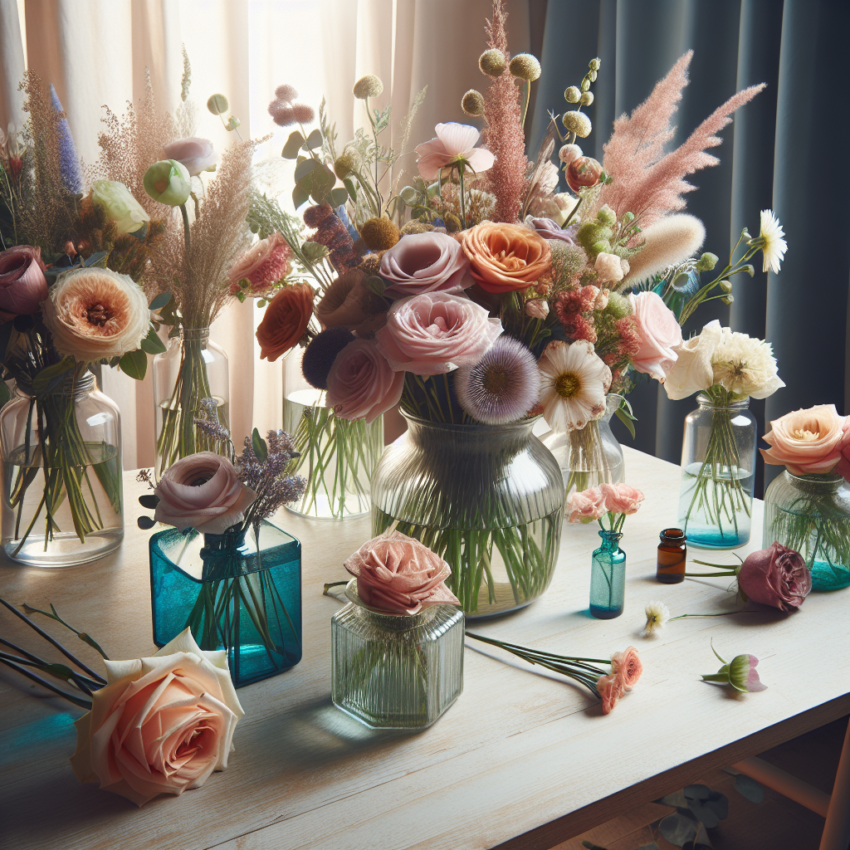
Flowers have a way of brightening up any space with their vibrant colors and enchanting scents. Unfortunately, fresh blooms have a limited lifespan. If you’re wondering how to preserve flowers and extend their beauty indefinitely, there are several creative techniques you can try at home. In this article, we explore a variety of methods for preserving your favorite blooms, so you can enjoy them for years to come.
How to Preserve Flowers: Methods and Techniques
There are numerous ways to keep your flowers looking fresh and beautiful long after they’ve been cut. Whether you want to display them in a vase or as part of a craft project, here are some effective preservation methods:
Pressing Flowers
Pressing is a classic and straightforward technique for preserving flowers. This method involves flattening flowers between heavy objects or within a flower press to remove moisture gradually. Start by placing your flowers between sheets of absorbent paper, and then sandwich them between heavy books or in a specific flower press. Allow several weeks for them to fully dry.
Air-Drying Flowers
Air-drying is another timeless method on how to preserve flowers. It’s perfect for robust blooms like roses, lavender, and baby’s breath. Bundle a few stems together, tie them with string, and hang them upside down in a cool, dark, and dry place. This technique can take a few weeks, but the results are charming and rustic.
Silica Gel Drying
Silica gel is highly effective for maintaining the color and shape of flowers. You can purchase silica gel crystals at most craft stores. To preserve flowers with this method, choose a container with a sealable lid, fill it with a layer of silica gel, position your flowers inside, and gently cover them with more gel. Seal the container and wait for one to two weeks.
Microwave Flower Drying
For those in a hurry, using a microwave can quickly dry flowers while helping to preserve their color. Place your flowers in a microwave-safe container, add silica gel, and microwave in short increments on low heat. Check the process to ensure they are drying evenly and to avoid burning.
Using Glycerin
Preserving flowers with glycerin involves replacing the water in the flowers’ system with glycerin. This procedure results in flexible, long-lasting flowers that maintain a lifelike appearance. To do this, dissolve glycerin in water, submerge the stems, and wait for the blooms to absorb the solution over several weeks.
Crafting with Preserved Flowers
Once you’ve mastered how to preserve flowers, consider incorporating them into crafts. Pressed flowers make excellent additions to DIY projects like handmade cards, bookmarks, and framed art. Alternatively, use dried blooms to create wreaths or potpourri, enhancing your home’s decor with a natural touch. If you’re interested in unique decorating ideas, you might explore how to decorate your home with vintage maps and combine different styles.
Considerations for Preserving Different Types of Flowers
Not all flowers are best suited to the same preservation techniques. Delicate blooms like pansies and violets are ideal for pressing, while sturdier flowers like hydrangeas and sunflowers air-dry well. Experiment with different methods to find what works best for the types of flowers you love.
When exploring floral preservation techniques, it’s crucial to keep the flowers’ intended use in mind. Some methods preserve color and shape better than others, depending on whether flowers are for display, crafting, or keepsakes.
The Benefits of Knowing How to Preserve Flowers
Preserving flowers is not only a delightful pastime, but it also allows you to save meaningful bouquets. Perhaps you want to hold onto wedding or anniversary flowers that carry sentimental value. Moreover, preserved flowers are an environmentally friendly way to enjoy nature’s beauty all year round without continuously purchasing fresh blooms. For additional insights into preserving nature’s gifts, you can find more details here.
Understanding how to preserve flowers is a valuable skill that helps capture nature’s fleeting beauty and gives your beloved blooms a new lease on life.
- Pressing flowers is a straightforward preservation method.
- Air-drying flowers leads to charming rustic displays.
- Silica gel maintains color and shape while drying flowers.
- Microwaving is a quick way to preserve blooms with minimal equipment.
- Glycerin preservation results in lifelike, flexible flowers.
FAQs
What is the easiest method to preserve flowers?
The easiest method is air-drying, which requires minimal equipment and effort. Simply bundle flowers and hang them upside down in a dark, dry place.
Can any flower be preserved, or are some more successful than others?
Most flowers can be preserved, but results vary. Sturdy flowers like roses and hydrangeas tend to preserve better than delicate ones.
How long do preserved flowers last?
Preserved flowers can last for several months to years if kept away from moisture and direct sunlight, which can degrade them.
Is it possible to preserve flowers with vibrant colors?
Yes, methods like using silica gel or microwaving are excellent for maintaining the vibrant colors of flowers during the preservation process.
Do dried flowers have a scent?
Many dried flowers retain their scent, especially if they are preserved soon after blooming, but the intensity often diminishes over time.