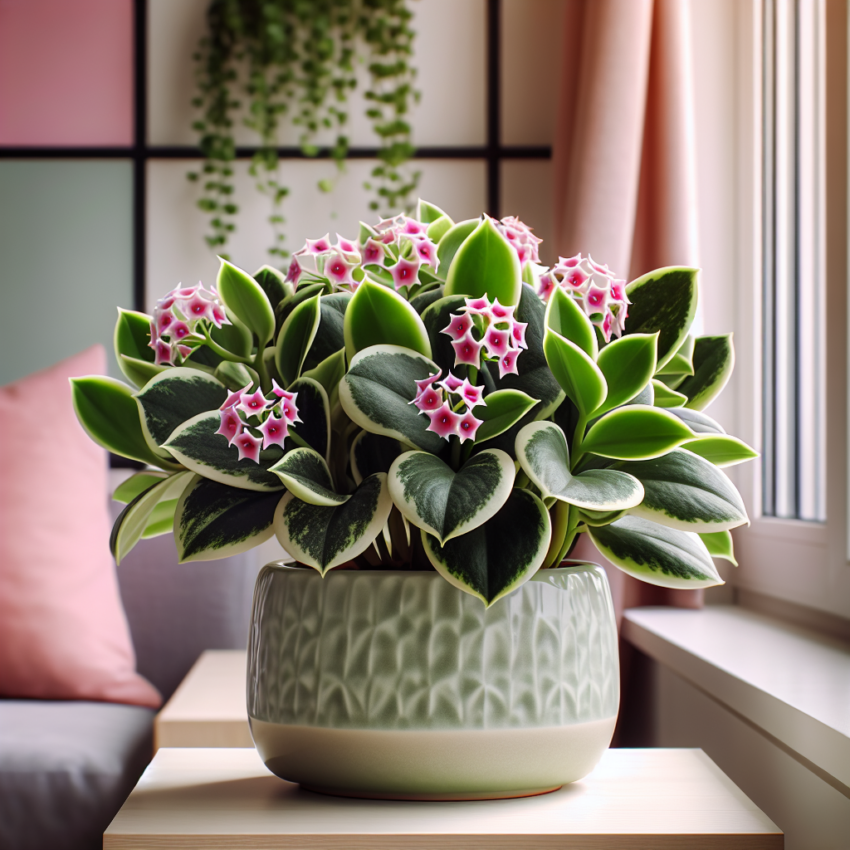
Hoya carnosa is a captivating houseplant that has gained popularity among plant enthusiasts and beginners alike. Known for its waxy leaves and fragrant flowers, this plant is both beautiful and fairly easy to care for, making it an excellent addition to any home. Whether you’re an experienced gardener or a first-time plant owner, understanding the unique characteristics and benefits of hoya carnosa can enhance your indoor gardening experience.
The Allure of Hoya Carnosa
The charm of hoya carnosa lies in its striking appearance and gentle care requirements. Native to Southeast Asia and Australia, this charming plant is often referred to as the wax plant due to its glossy, wax-like leaves. These dense, evergreen leaves provide a lush, vibrant aesthetic that can complement various interior designs.
Hoya carnosa is a slow-growing, climbing plant that can be trained to grow on trellises, hanging baskets, or let to trail down from a high shelf. Its flowers, which often bloom in clusters, release a sweet aroma, adding a natural fragrance to your home environment.
Caring for Your Hoya Carnosa
Caring for hoya carnosa is simple if you understand its basic needs. Here’s a brief guide to ensuring your plant thrives:
- Light: Hoya carnosa thrives in bright, indirect light but can tolerate lower light conditions. Avoid direct sunlight, as it can scorch the leaves.
- Water: This plant enjoys moist conditions but does not like sitting in water. Allow the top inch of soil to dry out between waterings.
- Temperature: Hoya carnosa prefers temperatures between 60-80°F (15-26°C). It’s important to protect the plant from sudden temperature drops.
- Humidity: While not a strict requirement, hoya carnosa appreciates higher humidity levels. Consider misting your plant or placing it near a humidifier.
- Feeding: Use a balanced, water-soluble fertilizer every month during the growing season (spring and summer).
Benefits of Growing Hoya Carnosa
Beyond aesthetics, growing hoya carnosa offers various benefits. Here are a few reasons why this plant can be a valuable addition to your home:
- Air Purification: Like many houseplants, hoya carnosa helps filter airborne toxins, providing a cleaner indoor air environment.
- Stress Reduction: Being surrounded by plants can reduce stress levels and improve mental health. The serene, natural presence of hoya carnosa can contribute to a calming home environment.
- Low Maintenance: The easy-care nature of this plant makes it suitable for individuals who appreciate houseplants but may not have the time for high-maintenance varieties.
Decorating with Hoya Carnosa
Integrating hoya carnosa into your home decor can be both functional and artistic. Its adaptable nature allows it to fit into a range of settings, from minimalist modern spaces to traditional, vintage-inspired rooms. For more home decor inspiration, consider exploring ideas like decorating with vintage maps. Combined with hoya carnosa, such elements can enhance the overall ambiance of your living space.
Propagation Tips
Propagation is an enjoyable way to expand your collection of hoya carnosa or share the plant with friends and family. Here are steps for successful propagation:
- Use pruners to cut a healthy vine segment with at least two nodes.
- Place the vine in water or directly in moist soil. If rooting in water, ensure the nodes are submerged.
- Keep the cuttings in a warm, bright area, and roots should develop within a few weeks.
Common Pests and Problems
While hoya carnosa is generally hardy, it can sometimes encounter pests such as mealybugs and spider mites. Regularly check the underside of leaves and treat any infestations with insecticidal soap or neem oil. Additionally, overwatering can lead to root rot, so it’s crucial to ensure adequate drainage and allow the soil to dry between waterings.
The Environmental Impact
Growing plants like hoya carnosa not only enhances interior decor but also contributes positively to the environment. By promoting better indoor air quality and providing habitats for beneficial insects, these plants align with eco-friendly living principles. For broader environmental perspectives and guidelines, visit reputable resources like the Wikipedia page on Health.
In summary, the joy of growing hoya carnosa extends beyond its visual appeal. With its low maintenance care, air-purifying benefits, and ability to elevate home decor, this plant makes an excellent addition to any household. By incorporating hoya carnosa into your living space, you can enjoy the beauty and benefits it brings.
- Hoya carnosa is a versatile and appealing houseplant ideal for various home settings.
- It requires low maintenance, making it suitable for beginner plant enthusiasts.
- Beyond decoration, hoya carnosa offers health benefits like stress reduction and air purification.
- Propagating hoya carnosa is an engaging way to expand your indoor plant collection.
- Regular care and early intervention can manage common pests and prevent overwatering issues.
FAQ
How much light does hoya carnosa need?
Hoya carnosa thrives in bright, indirect light but can handle lower light conditions. Avoid direct sunlight to prevent leaf burn.
How often should I water my hoya carnosa?
Water your hoya carnosa when the top inch of soil feels dry. Ensure the pot has adequate drainage to prevent root rot.
Can hoya carnosa improve air quality?
Yes, like many indoor plants, hoya carnosa can help purify the air by removing toxins and offering a fresher indoor environment.
What is the ideal temperature for growing hoya carnosa?
The ideal temperature range for hoya carnosa is between 60-80°F (15-26°C). Protect the plant from cold drafts and abrupt temperature changes.
How can I propagate hoya carnosa?
You can propagate hoya carnosa by cutting a healthy vine segment with at least two nodes, placing it in water or soil, and allowing roots to develop.