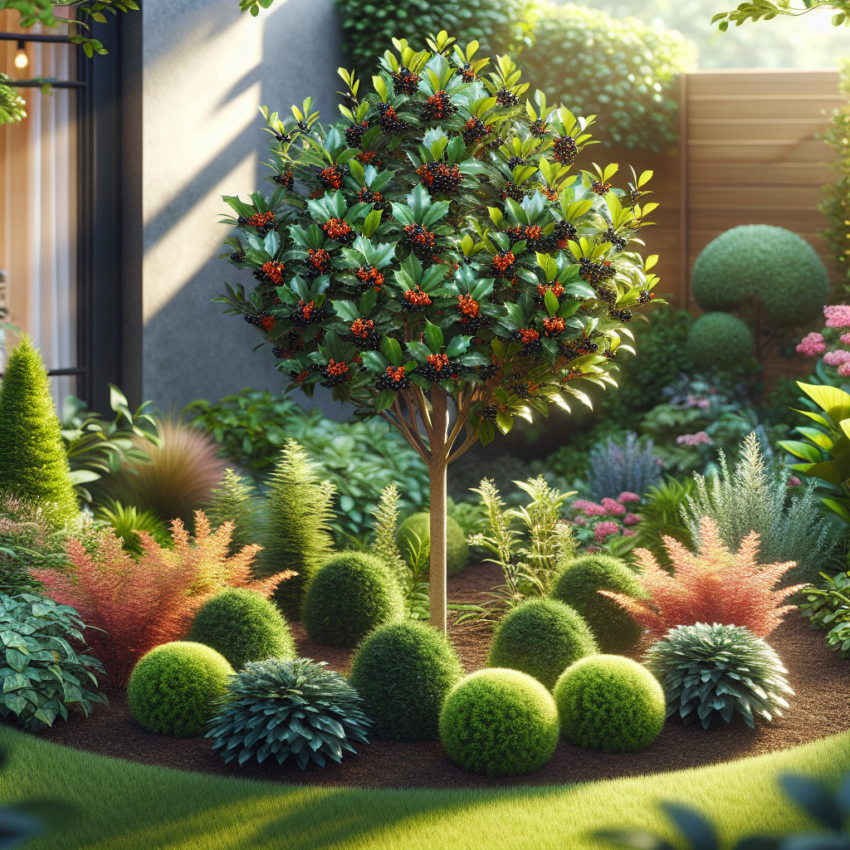
The elegant and evergreen Japanese holly is a versatile shrub that has captured the attention of gardeners and landscapers worldwide. Known for its lush green foliage and compact form, Japanese holly is a popular choice for creating hedges and providing structure in gardens. Its adaptability to various soils and growing conditions makes it a practical and attractive addition to any home garden. But what is it about this plant that makes it so well-suited for domestic cultivation?
The Charm of Japanese Holly
Japanese holly, or Ilex crenata, comes from the Aquifoliaceae family and is native to regions of East Asia. This plant bears a strong resemblance to boxwood, making it an excellent alternative for gardeners seeking something different yet comparable. Its dense, small leaves offer a bright green appearance that remains attractive throughout the year.
In addition to its aesthetic value, Japanese holly provides several practical benefits. It is drought-tolerant once established and also exhibits a high degree of pest and disease resistance. This low-maintenance shrub is ideal for those who wish to add beauty to their garden without the burden of constant upkeep. When pruned correctly, it can form a neat, tidy hedge or be shaped into various topiary designs.
How to Grow Japanese Holly Successfully
Planting Japanese holly involves choosing the right location and soil conditions. It prefers well-drained soil and a spot that enjoys full to partial sunlight. Whether you’re looking to line a walkway, frame a garden bed, or create a standalone focal point, ensure the soil is rich and slightly acidic for optimal growth. Adding organic matter, such as compost, can help improve soil structure and fertility.
Watering is crucial, especially during the establishment phase. Keep the soil moist but not waterlogged; overwatering can lead to root rot. Once the plant has established itself, it will require less frequent watering, thanks to its drought-resistant nature.
Practical Uses of Japanese Holly
Japanese holly is incredibly versatile in its applications. It’s perfect for creating privacy screens due to its thick foliage, and its compact nature makes it ideal for small spaces or urban gardens. The plant’s fine leaves and tight branching structure lend themselves well to formal gardens where clean lines and precise shapes are desired.
For those interested in bonsai, Japanese holly’s small leaf size and woody branches provide excellent material for artists to work with. The plant’s durability and adaptability make it a favored choice among bonsai enthusiasts.
Ecological and Cultural Significance
Beyond its visual appeal, Japanese holly plays a crucial role in supporting local wildlife. Its small, black berries attract various birds, providing a winter food source. While these berries can be toxic if ingested by humans, they pose no threat to birds or wildlife.
In Japanese culture, holly has long been revered for its protective qualities. It is often planted near homes to ward off evil spirits, aligning with ancient traditions that emphasize harmony with nature.
Enhancing Your Garden with Japanese Holly
To maximize the potential of Japanese holly in your garden, consider planting it alongside other complementary shrubs and flowers. For example, pairing it with azaleas or rhododendrons can create a beautiful landscape palette that showcases rich colors and diverse textures.
Whether your garden style leans towards modern minimalism or classic English design, Japanese holly can provide the perfect backdrop. Its flexibility in form and function allows you to tailor your garden to suit your tastes, creating a personalized sanctuary.
For more insights into enhancing your garden’s beauty and environmental health, visit our gardening and health resources page.
The Enduring Appeal of Japanese Holly
With its combination of beauty, durability, and ease of care, Japanese holly is a standout choice for gardeners looking to enrich their landscapes. Its ability to thrive in various environments and its multitude of uses—from privacy hedges to ornamental topiaries—ensure its status as a beloved garden staple. Whether you’re an experienced horticulturist or a beginner, incorporating Japanese holly into your garden can provide both aesthetic pleasure and ecological benefits.
To learn more about how plants like Japanese holly contribute to our environment, consult this comprehensive resource.
- Japanese holly is prized for its evergreen foliage and versatility in garden design.
- It thrives best in well-drained, slightly acidic soil with full to partial sun exposure.
- This plant is drought-tolerant and resistant to many pests and diseases, making it low maintenance.
- It supports wildlife by providing food for birds through its berries.
- Japanese holly can be used for hedges, screens, and as a part of bonsai art.
What is Japanese holly used for in gardens?
Japanese holly is predominantly used for hedges, privacy screens, and as ornamental plants in various garden designs. Its compact nature and evergreen foliage make it a favored choice for creating neat and tidy landscaping structures.
How do you care for Japanese holly?
Caring for Japanese holly involves planting it in well-drained soil, ensuring regular watering during its establishment phase, and pruning to maintain shape. It thrives in full to partial sunlight and benefits from slightly acidic soil.
Are Japanese holly berries toxic?
Yes, the berries of Japanese holly can be toxic to humans if ingested. They are primarily a food source for birds and other wildlife, who consume them without adverse effects. It is advisable to keep this plant away from areas where children play.
Can Japanese holly grow in containers?
Yes, Japanese holly can grow in containers, making it a versatile choice for patios and small garden spaces. Ensure the container has adequate drainage, and use a potting mix designed for acid-loving plants to promote healthy growth.
Is Japanese holly suitable for bonsai?
Japanese holly is an excellent choice for bonsai due to its small leaves and woody branches. It can be shaped and trained with care, providing a long-lasting and visually pleasing bonsai specimen.