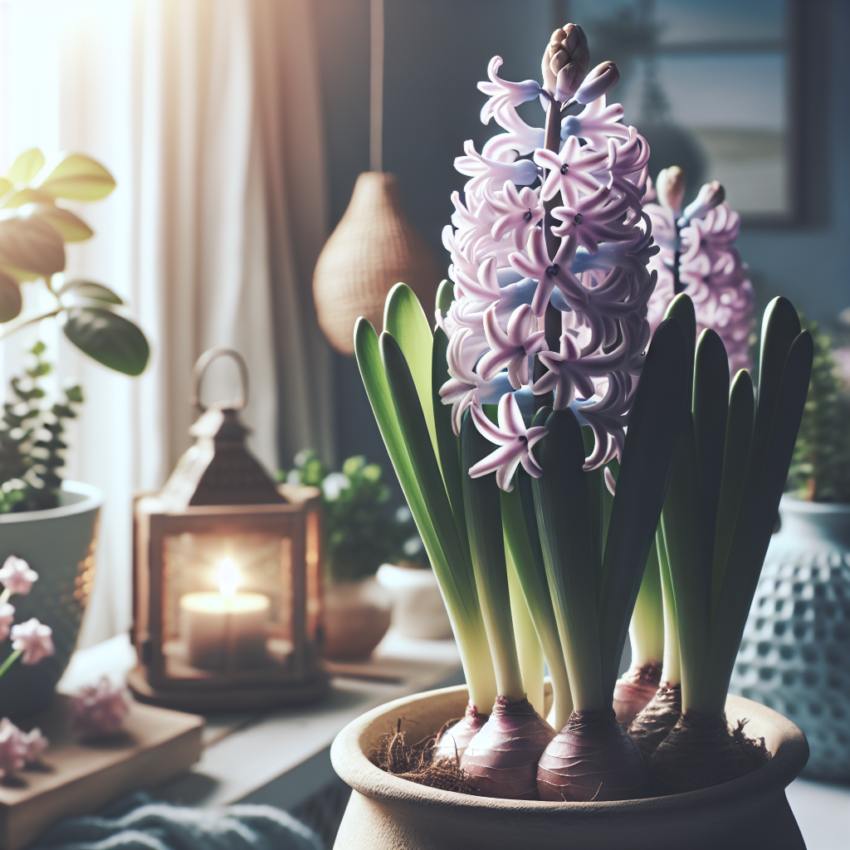
The jacinthe hyacinthus orientalis, more commonly known as the common garden hyacinth, is a popular ornamental plant cherished for its vibrant blooms and pleasant fragrance. As a plant enthusiast, you can enjoy the beauty and benefits of this lovely species in your home garden, bringing both aesthetic charm and potential ecological benefits. Let’s delve into why cultivating this beautiful plant can be a rewarding endeavor.
Growing Jacinthe Hyacinthus Orientalis in Your Garden
The jacinthe hyacinthus orientalis thrives in well-drained soils and requires adequate sunlight to produce its striking clusters of colorful flowers. Typically blooming in early spring, these bulbs can create a vivid tapestry of colors ranging from blues and purples to pinks and whites. To plant hyacinths, choose a sunny spot in your garden with soil rich in organic matter.
Ensure the planting site is well-drained, as waterlogged conditions can lead to bulb rot. The bulbs should be planted about 4 to 6 inches deep and spaced sufficiently to allow for air circulation. They require moderate watering, and while they are hardy, some mulching can protect them from extreme cold during winter months.
Uses and Benefits of Jacinthe Hyacinthus Orientalis
Beyond their visual appeal, hyacinths offer several benefits both directly and indirectly to your garden ecosystem. Their sweet aroma attracts pollinators like bees and butterflies, playing a role in supporting local biodiversity. Additionally, the jacinthe hyacinthus orientalis can be a stunning addition to floral arrangements, adding both scent and color to your living space.
Some studies suggest that simply spending time in a garden filled with aromatic plants like hyacinths may reduce stress and improve mental well-being. By incorporating these flowers into your garden, you not only enhance your outdoor space but also possibly contribute to a calming environment for yourself and others.
History and Cultural Significance
Hyacinths have been valued for centuries, originally native to the eastern Mediterranean. They hold a special place in several cultures’ histories and are often associated with rebirth and the arrival of spring. Their cultural significance is also highlighted in various festivals and celebrations worldwide.
The name “jacinthe” is derived from the Greek myth of Hyacinthus, a poignant tale reflecting themes of transformation and beauty. Today, the jacinthe hyacinthus orientalis remains a symbol of these enduring qualities, making it a cherished plant for gardeners and flower enthusiasts alike.
Companion Planting with Hyacinths
When planning your garden, consider companion planting with hyacinths to optimize the health and productivity of your garden space. They pair well with early blooming shrubs and perennials like tulips and daffodils. This combination not only enhances your garden’s visual impact but also helps create a habitat that supports a variety of pollinators.
Companion planting can also help deter pests naturally, reducing the need for chemical interventions. For instance, planting hyacinths alongside vegetables might offer some natural pest control, making them a beneficial addition to both ornamental and edible gardens.
For more tips on enhancing your garden naturally, visit our article on natural remedies and garden supplements.
Caring for Your Jacinthe Hyacinthus Orientalis
While hyacinths are relatively easy to care for, there are a few tips to ensure they flourish. Regularly remove faded blooms to encourage new growth and prevent diseases. After blooming, leave the foliage until it yellows and withers naturally; this process allows the bulb to store energy for next season’s blooms.
It’s also essential to monitor for common pests like aphids, which can be managed through natural deterrents or gentle washing with soapy water. By investing time in proper care, your hyacinths can return year after year, offering a perennial display of beauty and fragrance.
For more detailed information about the jacinthe hyacinthus orientalis, including potential benefits and cultural insights, you might find additional resources such as Wikipedia’s article on Hyacinth helpful.
In conclusion, growing jacinthe hyacinthus orientalis in your garden can be a delightful and rewarding experience. From enhancing your garden’s aesthetic appeal to supporting the environment, these beautiful bulbs offer more than just a seasonal burst of color.
- Jacinthe hyacinthus orientalis is valued for its vibrant colors and fragrance.
- Ideal for attracting pollinators such as bees and butterflies.
- Requires well-drained soil and plenty of sunlight to thrive.
- Companion planting with other early bloomers can enhance garden diversity.
- A symbol of rebirth, these plants can enrich both garden aesthetics and personal well-being.
FAQ
What is the best time to plant jacinthe hyacinthus orientalis?
The best time to plant hyacinth bulbs is during the fall, a few weeks before the first frost. This timing allows the bulbs to establish roots before winter arrives.
How do I care for hyacinths after they bloom?
After blooming, it’s important to let the foliage die back naturally. This process helps the plant replenish nutrients and prepare for the next growing season.
Can jacinthe hyacinthus orientalis be grown indoors?
Yes, hyacinths can be grown indoors in pots or containers. They require a sunny windowsill and well-draining soil, with care similar to their outdoor counterparts.
Are hyacinths toxic to pets?
Yes, hyacinths can be toxic to pets if ingested. It’s advisable to plant them in areas that pets cannot easily access.
What are the common pests that affect hyacinths?
Hyacinths can be affected by pests such as aphids and slugs. Managing these pests through natural remedies and regular garden monitoring can help keep your hyacinths healthy.